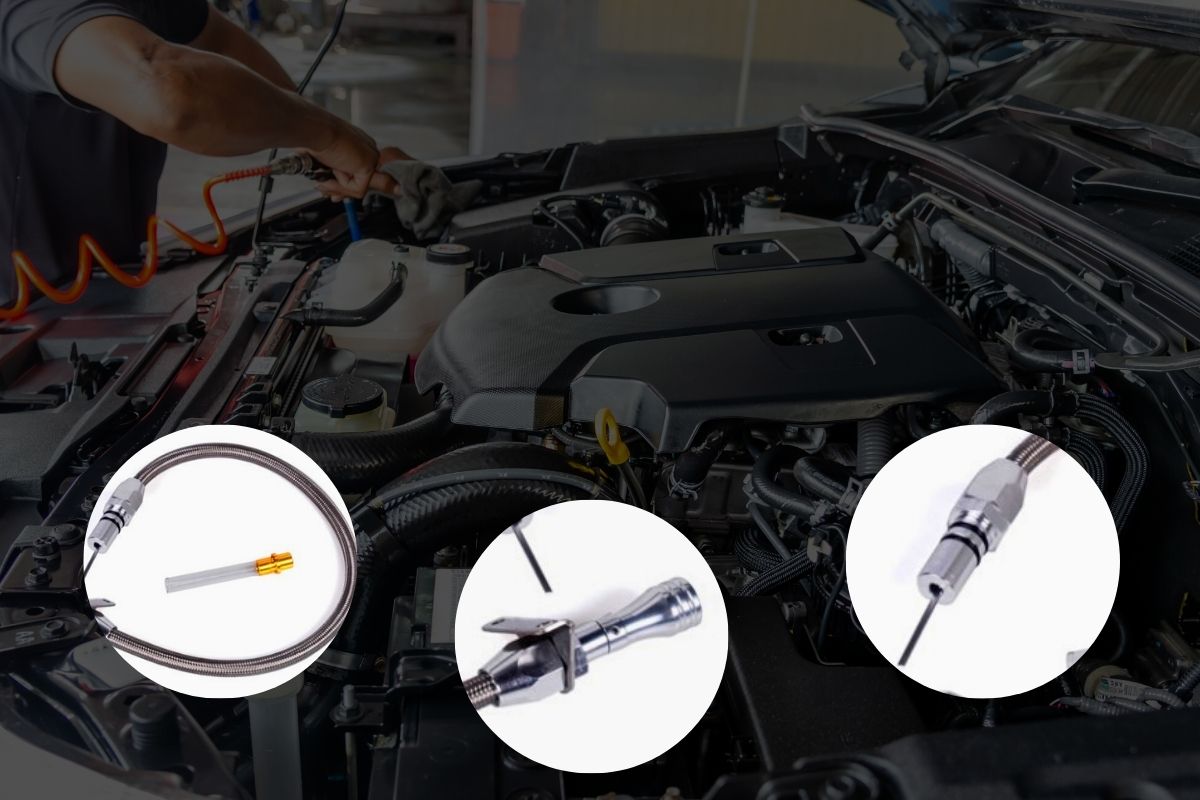
If you’re a car enthusiast or a vehicle owner, you’ve likely heard about the tranny tube, a component that plays a vital role in power distribution from the engine to the wheels. In this article, we will delve into the various aspects of a tranny tube, covering its function, maintenance, and common issues that every automobile owner should be aware of.
I. Introduction
A. Definition of a Tranny Tube
To start, let’s clarify what a tranny tube is. The term refers to the transmission tube, a fundamental part of an automobile responsible for transmitting power from the engine to the wheels.
B. Importance in Distributing Power in Automobiles
Understanding how the tranny tube functions is essential for car owners and enthusiasts. It significantly impacts the overall performance of a vehicle, making it a crucial component to comprehend.
II. Components of a Tranny Tube
A. Overview of Key Components
The tranny tube is not a single entity but comprises various components. These include the transmission fluid, torque converter, planetary gear sets, and more. Each element plays a specific role in ensuring the smooth operation of the transmission system.
B. Role of Each Component in Power Distribution
From the torque converter’s role in transmitting power to the planetary gear sets managing gear ratios, each component contributes to the efficient distribution of power, translating into the movement of the vehicle.
III. Systems Connected to the Tranny Tube
A. Transmission System
The transmission system works hand-in-hand with the tranny tube, ensuring that the power generated by the engine is appropriately transmitted to the wheels.
B. Engine System
The engine is the powerhouse of a vehicle, and its seamless connection with the tranny tube is vital for optimal performance.
C. Wheels and Drivetrain
The wheels and drivetrain are the end recipients of the power distributed by the tranny tube. Their connection completes the cycle, allowing the vehicle to move.
IV. Function of a Tranny Tube
A. Power Transmission
The primary function of a tranny tube is to transmit power from the engine to the wheels. This process involves converting the power generated by the engine into torque, propelling the vehicle forward.
B. Impact on Vehicle Performance
A well-maintained tranny tube positively influences a vehicle’s performance, ensuring smooth acceleration, efficient fuel consumption, and overall driving satisfaction.
V. Types of Tranny Tubes
A. Manual Transmission
Manual transmissions involve the driver manually shifting gears, providing a hands-on driving experience.
B. Automatic Transmission
Automatic transmissions, on the other hand, handle gear shifts automatically, offering a more user-friendly driving experience.
C. Continuous Variable Transmission (CVT)
CVTs provide a seamless and continuous range of gear ratios, optimizing fuel efficiency and performance.
VI. Maintenance Tips
A. Regular Check-ups
Regular check-ups of the tranny tube are essential for detecting potential issues early on, preventing costly repairs.
B. Fluid Levels and Changes
Monitoring and changing transmission fluid at recommended intervals contribute to the longevity of the tranny tube.
C. Signs of Wear and Tear
Being aware of signs such as slipping gears, unusual noises, or leaks allows for prompt attention to potential problems.
VII. Common Issues with Tranny Tubes
A. Leaks
Tranny tube leaks can lead to a loss of transmission fluid, affecting the overall performance and lifespan of the component.
B. Slipping Gears
Slipping gears indicate a potential problem with the transmission system, requiring immediate investigation.
C. Unusual Noises
Unusual noises during gear shifts or while driving can be indicative of internal issues within the tranny tube.
VIII. Diagnosing Tranny Tube Problems
A. Identifying Symptoms
Identifying symptoms such as delayed or rough gear shifts helps in pinpointing potential issues with the tranny tube.
B. Seeking Professional Help
When in doubt, seeking professional assistance for a thorough diagnosis and repair is crucial to prevent further damage.
IX. DIY Tranny Tube Maintenance
A. Fluid Replacement
Replacing transmission fluid at recommended intervals is a straightforward DIY maintenance task that can enhance the tranny tube’s lifespan.
B. Inspection Routine
Regularly inspecting the tranny tube for leaks, unusual noises, or other signs of wear ensures early detection and timely repairs.
X. Importance of Tranny Tube in Vehicle Safety
A. Role in Preventing Accidents
A well-maintained tranny tube contributes to the overall safety of the vehicle, preventing unexpected breakdowns and accidents.
B. Impact on Overall Driving Experience
A smoothly functioning tranny tube enhances the driving experience, ensuring a seamless and enjoyable ride.
XI. Environmental Impact of Tranny Tube Maintenance
A. Proper Disposal of Fluids
Proper disposal of transmission fluids is essential for minimizing the environmental impact of maintenance practices.
B. Sustainable Practices in Maintenance
Adopting eco-friendly practices, such as using recycled fluids, contributes to reducing the environmental footprint of tranny tube maintenance.
XII. Technological Advancements in Tranny Tubes
A. Modern Innovations
Technological advancements in tranny tubes focus on improving efficiency, reducing friction, and enhancing overall performance.
B. Efficiency and Eco-friendly Features
The integration of eco-friendly features in modern tranny tubes aligns with the automotive industry’s commitment to sustainability.
XIII. How to Choose the Right Tranny Tube for Your Vehicle
A. Compatibility Considerations
Consider the compatibility of the tranny tube with your vehicle’s make and model for optimal performance.
B. Performance and Efficiency Factors
Evaluate the performance and efficiency features of different tranny tubes to choose the one that best suits your driving needs.
XIV. Frequently Asked Questions (FAQs)
A. What Causes a Tranny Tube to Overheat?
Tranny tubes may overheat due to low fluid levels, excessive load, or a malfunctioning cooling system.
B. How Often Should Tranny Tube Fluid Be Changed?
Transmission fluid should typically be changed every 30,000 to 60,000 miles, but it’s essential to follow the manufacturer’s recommendations.
C. Can I Drive with a Leaking Tranny Tube?
Driving with a leaking tranny tube can lead to severe damage; it’s advisable to address the issue promptly.
D. Are There Eco-friendly Options for Tranny Tube Maintenance?
Yes, there are eco-friendly transmission fluids available that contribute to sustainable automotive practices.
E. How Do I Know If My Tranny Tube Needs Professional Attention?
If you notice any unusual symptoms, such as slipping gears or strange noises, it’s advisable to seek professional assistance for a thorough diagnosis.
XV. Conclusion
A. Recap of the Importance of a Tranny Tube
In conclusion, understanding the importance of a well-maintained tranny tube is crucial for every vehicle owner. Regular check-ups and proper maintenance contribute to a safe and enjoyable driving experience.
B. Encouragement for Regular Maintenance
As a responsible vehicle owner, make it a habit to prioritize the maintenance of your tranny tube. Regular check-ups and addressing issues promptly will not only extend the lifespan of this crucial component but also contribute to the overall longevity and safety of your vehicle.