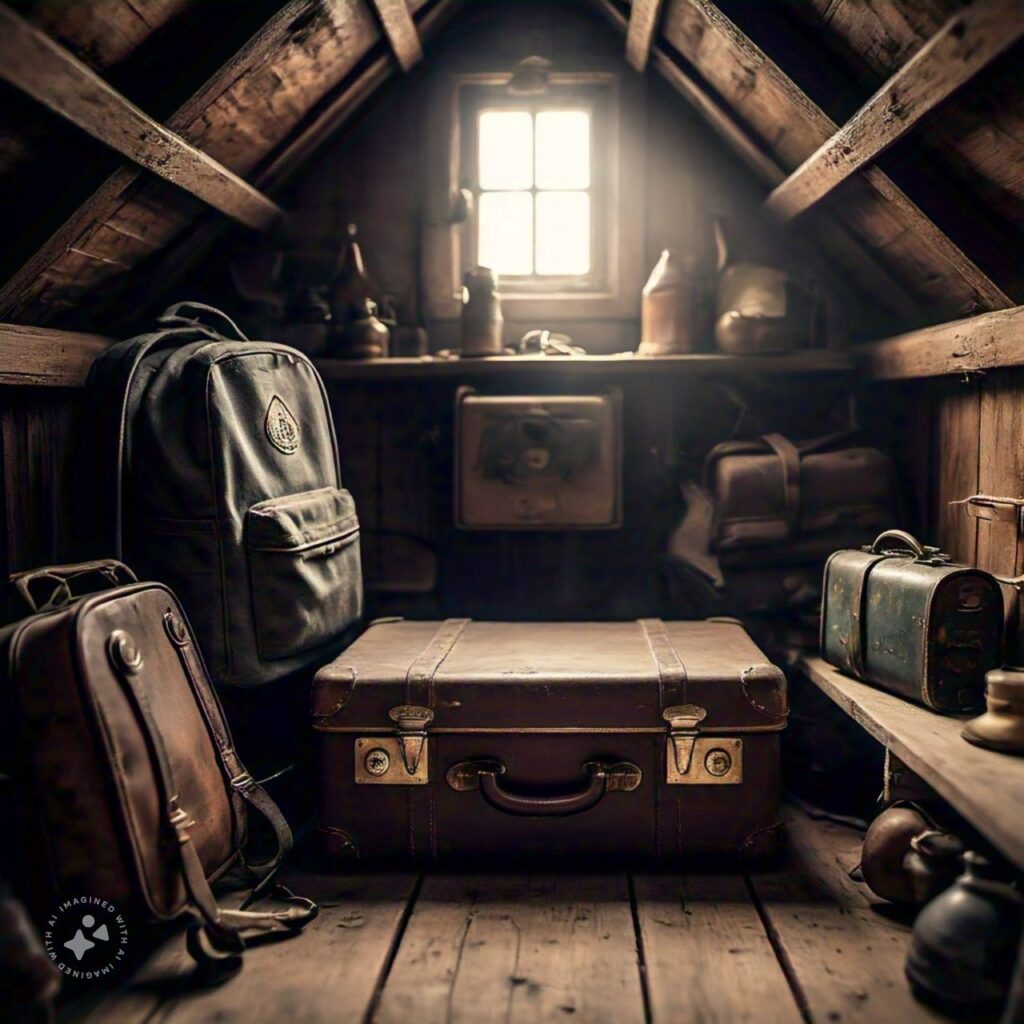
Things We Left Behind
In the ever-evolving landscape of human history, the concept of “things we left behind” serves as a profound reflection of our shared past. These “things” encompass tangible artifacts, traditions, and even intangible memories that illuminate where we’ve been and how far we’ve come. This article delves into the layers of this concept, offering insights into its significance, while exploring the dynamics of loss, growth, and legacy.
The Significance of Things We Left Behind
The phrase “things we left behind” is more than a collection of forgotten items. It symbolizes the footprints of our journey through time and space. Understanding this helps us appreciate the weight of:
Cultural Legacy
Our ancestors left behind cultural practices and values that continue to shape modern societies. From ancient rituals to culinary traditions, these elements serve as a bridge between past and present.
Technological Progress
Artifacts of bygone eras, such as the first computers or rotary phones, represent technological milestones. These relics remind us of humanity’s relentless pursuit of innovation.
Personal Memories
Individually, the “things we left behind” often include childhood keepsakes, letters, or even relationships. These remnants hold emotional significance, telling stories of personal growth and change.
Why Do We Leave Things Behind?
Human beings have an innate tendency to prioritize certain aspects of life while letting others fade into history. Here are key reasons:
Evolution of Needs
As societies evolve, so do their needs and preferences. Items once considered essential may become obsolete—replaced by newer, more efficient alternatives.
Passage of Time
Time naturally erodes relevance. What was groundbreaking yesterday may hold little value today, prompting societies to move forward.
Emotional Healing
In some cases, leaving things behind is an emotional necessity. People often discard reminders of painful experiences to heal and grow.
The Duality of Nostalgia
Nostalgia plays a pivotal role in how we perceive “things we left behind.” It’s both a comfort and a trap, offering solace while potentially hindering progress.
Positive Aspects
- Emotional Connection: Nostalgia fosters a sense of belonging and continuity.
- Cultural Preservation: It motivates efforts to preserve art, music, and traditions.
Negative Aspects
- Idealization: Romanticizing the past can distort reality.
- Resistance to Change: Excessive nostalgia may hinder acceptance of new ideas.
Modern Examples of Things We Left Behind
Physical Artifacts
- Cassette Tapes: Once a music staple, now a collector’s item.
- Typewriters: Replaced by modern keyboards but cherished by enthusiasts.
Social Practices
- Letter Writing: Supplanted by emails and instant messaging.
- Community Gatherings: Reduced in favor of digital interactions.
Environmental Footprints
- Abandoned Cities: Ghost towns like Pripyat stand as reminders of human impact.
- Plastic Pollution: A modern-day example of what we’re leaving behind, with dire consequences.
The Importance of Reflection
Understanding “things we left behind” isn’t merely about nostalgia; it’s about learning from the past to inform the future. Reflection offers insights into:
Mistakes to Avoid
By analyzing the repercussions of past actions, such as environmental neglect, we can adopt sustainable practices.
Values to Preserve
Some elements, like community spirit and artistic expression, are worth safeguarding amidst change.
How to Honor the Things We Left Behind
While moving forward, it’s essential to honor the past responsibly. Here’s how:
Preservation Efforts
- Museums and Archives: Institutions that protect historical artifacts and narratives.
- Digital Documentation: Scanning and preserving old photographs and documents.
Storytelling
- Oral Histories: Sharing personal stories ensures traditions and values live on.
- Creative Expression: Art and literature offer platforms to reimagine and celebrate the past.
Sustainable Choices
- Repurposing: Transforming old items into new uses reduces waste.
- Minimalism: Adopting a minimalist lifestyle minimizes unnecessary accumulation.
FAQs About Things We Left Behind
What does “things we left behind” mean?
“Things we left behind” refers to the objects, traditions, and memories that are no longer part of our present lives but hold significance for understanding our history and evolution.
Why do people feel nostalgic about the past?
Nostalgia provides emotional comfort and helps people connect with their roots. It’s a natural response to the passage of time and change.
How can we preserve the things we left behind?
Preservation can be achieved through efforts like maintaining museums, practicing sustainable habits, and sharing stories that celebrate our heritage.
What are some examples of “things we left behind” in modern times?
Examples include physical items like VHS tapes, practices such as letter writing, and places like abandoned industrial sites.
Why is it important to reflect on the things we’ve left behind?
Reflection helps us learn from the past, avoid repeating mistakes, and identify values worth preserving as we progress.
Conclusion
The “things we left behind” offer a window into humanity’s journey. They remind us of where we came from, challenge us to reflect on what we value, and inspire us to forge a future grounded in lessons learned. By balancing nostalgia with forward-thinking, we honor the past while embracing the possibilities ahead. In this way, the “things we left behind” continue to shape who we are and who we aspire to become.