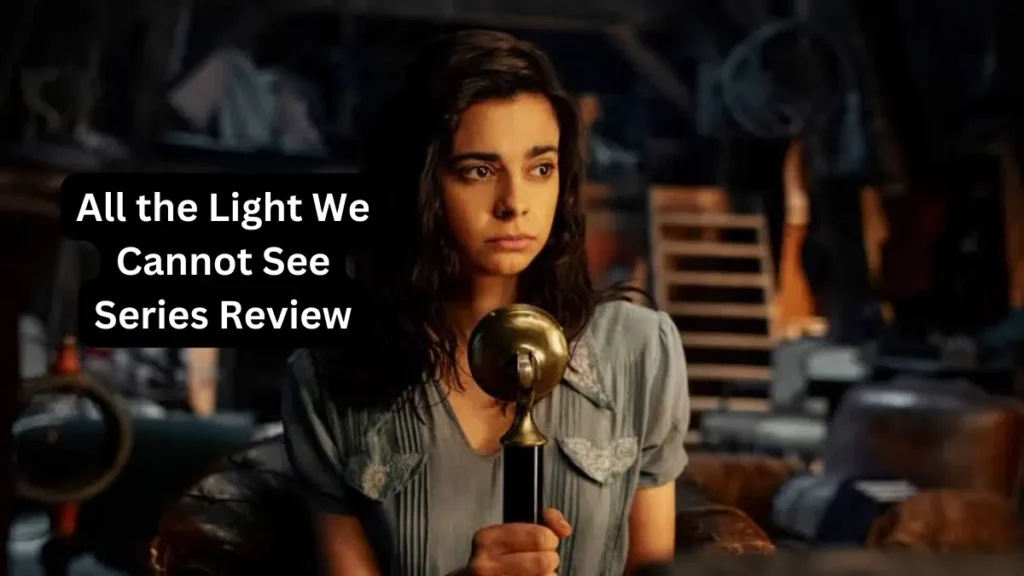
All the Light We Cannot See Reviews
Anthony Doerr’s Pulitzer Prize-winning novel, All the Light We Cannot See, continues to captivate readers worldwide. This deeply moving story intricately weaves the lives of a blind French girl and a German boy during World War II, offering a profound look into human resilience, the horrors of war, and the power of connection. In this article, we delve into “All the Light We Cannot See reviews” to explore critical acclaim, reader feedback, and how the book’s adaptation into a Netflix series has impacted its legacy.
Overview of “All the Light We Cannot See”
The Storyline
The novel revolves around two main characters:
- Marie-Laure LeBlanc: A blind French girl fleeing Nazi-occupied Paris with her father, who carries a precious gem from the museum he worked at.
- Werner Pfennig: A brilliant German orphan with a talent for repairing radios, eventually conscripted into Hitler’s army.
Their lives intersect in Saint-Malo, where their shared humanity shines amidst the war’s devastation.
Themes Explored
- The Fragility of Humanity: The novel juxtaposes innocence and brutality, exploring how war reshapes destinies.
- The Role of Technology: Werner’s expertise with radios symbolizes both connection and destruction.
- The Power of Perception: Marie-Laure’s blindness symbolizes seeing beyond physical sight, focusing on the light within.
Critical Acclaim for “All the Light We Cannot See”
Pulitzer Prize and Literary Recognition
Upon its release in 2014, the novel garnered immense acclaim, winning the Pulitzer Prize for Fiction in 2015. Critics praised its poetic prose, emotional depth, and intricate narrative structure.
Narrative Style
Doerr’s writing style is both lyrical and evocative. The short chapters and alternating perspectives keep readers engaged, painting vivid imagery of war-torn Europe.
Reader Reviews
- Goodreads: Averaging 4.3/5 stars, readers lauded the character development and thematic richness.
- Amazon: With over 40,000 reviews, most readers highlighted its emotional resonance and cinematic storytelling.
Analyzing “All the Light We Cannot See” Reviews: Strengths
1. Emotional Depth
Reviewers often commend the novel for its ability to evoke a spectrum of emotions. Readers become deeply invested in Marie-Laure and Werner’s journeys, empathizing with their struggles.
2. Historical Accuracy
Doerr meticulously researched World War II, creating a vivid backdrop that adds authenticity to the narrative. Critics noted the accuracy of Saint-Malo’s portrayal and wartime radio technology.
3. Character Development
The novel’s strength lies in its characters. Marie-Laure and Werner are portrayed with nuance, highlighting their vulnerabilities, dreams, and courage.
Common Criticisms in Reviews
1. Pacing Issues
Some readers found the novel’s pace slow, especially in the middle sections. Critics noted that the focus on descriptive prose occasionally detracted from the plot’s momentum.
2. Ambiguity in the Ending
While many appreciated the poetic conclusion, others felt the ending lacked closure for certain characters, leaving unanswered questions.
3. Complex Narrative Structure
The novel’s non-linear timeline, while unique, confused some readers, especially those unfamiliar with multi-perspective storytelling.
Impact of the Netflix Adaptation on Reviews
In 2023, All the Light We Cannot See was adapted into a Netflix series, introducing the story to a broader audience. Let’s examine how the adaptation influenced reviews.
1. Renewed Interest in the Novel
Many viewers of the series turned to the book to experience the original story, leading to a surge in sales and online discussions.
2. Mixed Reactions to the Adaptation
While some praised the series for staying true to the novel’s themes, others criticized it for simplifying complex plot elements. This dichotomy sparked debates among fans, further highlighting the novel’s enduring appeal.
3. Expanded Accessibility
The adaptation made the story accessible to non-readers, sparking interest in its historical and emotional layers.
FAQs About “All the Light We Cannot See Reviews”
Q1: Why is “All the Light We Cannot See” so popular?
The novel’s popularity stems from its masterful storytelling, emotional depth, and historical accuracy. Its exploration of universal themes like love, resilience, and humanity resonates with a wide audience.
Q2: What makes the characters memorable?
Marie-Laure and Werner are deeply relatable due to their vulnerabilities and resilience. Their contrasting backgrounds yet shared humanity make them unforgettable.
Q3: Is the Netflix adaptation faithful to the book?
The adaptation captures the essence of the novel but simplifies some complex narrative elements. While it introduces the story to new audiences, purists may prefer the book’s depth.
Q4: What are common criticisms of the novel?
Some readers criticize the novel for its slow pacing, non-linear structure, and ambiguous ending. However, these aspects also contribute to its literary uniqueness.
Q5: Would you recommend the novel to history enthusiasts?
Absolutely. The novel’s vivid portrayal of World War II and its impact on ordinary lives makes it a compelling read for history enthusiasts.
Conclusion
All the Light We Cannot See remains a literary masterpiece that continues to touch hearts worldwide. Despite minor criticisms, its blend of emotional storytelling, historical depth, and unforgettable characters ensures its place in modern literature. Whether you’re exploring the book or the Netflix adaptation, this story’s light shines bright, leaving a lasting impression.
For those seeking a tale that celebrates the resilience of the human spirit amidst darkness, this novel is an absolute must-read.
By providing an in-depth look at “All the Light We Cannot See reviews”, this article offers valuable insights for readers and viewers alike. Dive into this extraordinary narrative and discover why it continues to captivate audiences across the globe.