Hyperconverged
Table of Contents
- Understanding Hyperconverged Storage Technology
- Advantages of Implementing Hyperconverged Storage Solutions
- Challenges and Considerations in Hyperconverged Storage Adoption
- Industry Applications and Case Studies
- Future Trends in Hyperconverged Storage Solutions
- User Experiences and Best Practices
- Comparing Hyperconverged Vendors and Products
- The Role of Convergence in Disaster Recovery and Business Continuity
- Training and Skill Development for IT Teams
- Resources and Additional Readings
Key Takeaways
- Hyperconverged storage simplifies data center management and enhances IT agility.
- It comes with cost-efficiency, scalability, improved operational efficiency, and strategic resource utilization.
- Adopting hyperconvergence requires strategic evaluation of organizational needs, thorough planning, and staff training.
- Familiarizing oneself with the latest trends and successful user experiences can aid in informed decision-making.
In the terrain of technological innovation, data storage has become more complex and critical than ever before. Enterprises are deluged with enormous amounts of data that inform strategic choices, making effective data management solutions imperative. Amidst these evolving requirements, hyper-converged storage has become prominent, offering a seamless blend of storage scalability, computational power, and network functionality. Hyperconvergence is redefining the approach to data centers, supporting a more agile and cost-efficient infrastructure. At its essence, it merges multiple data center services into a unified, software-centric architecture to optimize performance and management—a contrast to traditional, compartmentalized systems. Hyper-converged storage solutions facilitate a streamlined and responsive IT environment by integrating services typically spread across several pieces of hardware.
Understanding Hyperconverged Storage Technology
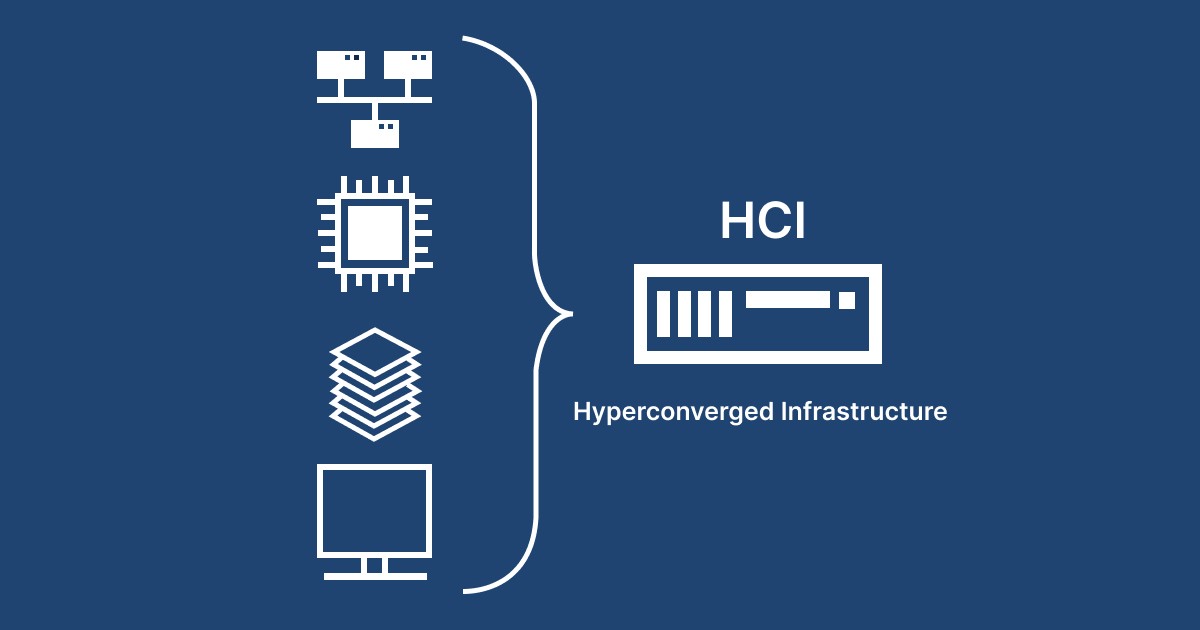
Hyperconverged storage technology centralizes the management of computational and storage functions by converging infrastructure into a single, cohesive unit. This strategic confluence significantly simplifies data center complexities, which traditionally require separate storage networks, servers, and management interfaces. Organizations are afforded a more streamlined and manageable IT experience by coalescing these critical components into one scalable entity. Hyperconverged systems fundamentally differ from conventional methods using dedicated hardware, often resulting in underutilized resources and complex management.
The significant advantage here is the flexibility offered by modular systems. As organizations’ needs grow, extra modules can be seamlessly integrated without the extensive downtime or complexity typically associated with data center expansion. Hyperconverged storage harnesses this potential by offering an elastic environment that accommodates growth and changes in demand without disrupting the operating system. The critical difference lies in transitioning from a hardware-focused to a software-defined approach. This pivotal change grants uncompromised agility and optimizes investments in IT infrastructure.
Advantages of Implementing Hyperconverged Storage Solutions
The merits of adopting a hyper-converged storage system are numerous, clenching an organization’s decision to transition to these innovative frameworks. Hyperconverged solutions provide unparalleled scalability that proves crucial for businesses of all sizes as they navigate the ebb and flow of market demands. Unlike traditional methods that require costly and complex upgrades for expansion, hyper-converged systems permit effortless scalability by simply adding nodes. This ability notably allows businesses to align their IT expenditures with growth trajectories.
Operational efficiency is another significant asset of hyperconverged storage. Consolidating various functional domains onto a single platform reduces the need for multiple specialized management tools and the personnel required to handle them. With less to manage independently, IT teams can apply a more unified approach, saving time and reducing the money spent on training and recruitment for specialized roles. Reducing physical hardware also leads to decreased power, cooling, and maintenance costs, contributing to a lower total cost of ownership and improved resource management.
Challenges and Considerations in Hyperconverged Storage Adoption
The adoption of hyper-converged storage has its challenges. One main obstacle is ensuring that older programs and systems work with this new architecture. Since many existing infrastructures are inflexible, modifying them to accommodate the seamless integration of hyper-converged storage might be difficult. This can cause significant planning difficulties and disrupt everyday operations.
The financial aspect also merits attention. Even though the costs associated with hyper-converged systems are generally lower over time when contrasted with traditional storage systems, the initial outlay may still be substantial. Organizations must conduct a comprehensive cost-benefit analysis to ensure the long-term advantages justify the initial expenditure. Looking beyond the numbers, they should assess the strategic impact of these systems and the potential for enhanced agility and responsiveness to market changes.
Industry Applications and Case Studies
Sector-specific applications of hyper-converged storage tell a tale of diverse functionality and extensive benefits. Take the healthcare industry, for instance, where quick access to medical records can significantly enhance patient care. Hyperconverged systems facilitate the fast retrieval and analysis of large datasets, improving diagnosis and treatment procedures. Equally, financial institutions value the security and robustness of these systems, relying on them to protect critical financial data and ensure consistency in customer service, even in the event of system failures or external threats.
The evidence of these benefits comes alive in the numerous case studies documenting the successful implementation of hyper-converged storage. Businesses highlight not only the reduced physical footprint of their IT operations but also the increased flexibility in resource management and faster response times in disaster recovery. These real-world scenarios clearly show the tangible outcomes of a hyper-converged setup, convincing new adopters of its efficacy.
Future Trends in Hyperconverged Storage Solutions
The domain of hyperconverged storage is not static; it’s a fertile ground for innovation and growth. We stand on the brink of even more groundbreaking advancements as these solutions evolve toward autonomy and integrated intelligence. The potential integration of artificial intelligence promises a future where data centers are not just reactive but proactive in managing and healing themselves. Such capabilities can enhance reliability, reduce the potential for human error, and revolutionize the maintenance of IT infrastructures.
This evolution parallels the burgeoning relationship between hyper-converged storage and the Internet of Things (IoT). The deluge of data from countless IoT devices necessitates robust, quick, and adaptive storage solutions. Hyperconverged systems are uniquely positioned to meet these needs, potentially providing the backbone for a new era of data processing and storage that will accompany the IoT revolution.
User Experiences and Best Practices
User experiences with hyper-converged storage systems underscore the importance of a comprehensive transition strategy. Adapting to the nuances of hyperconverged solutions calls for a well-thought-out implementation process. Organizations that have reaped fruitful outcomes often recommend a phased approach—starting with non-critical applications to ensure a smooth transition and minimize risk. Meticulous planning, robust testing procedures, and dedicated IT team training are fundamental steps successful adopters recommend.
Comparing Hyperconverged Vendors and Products
With the surge in hyper-converged storage popularity, many products and vendors have entered the market. These entities offer various features, support options, and pricing structures. Choosing a hyper-converged solution is not a one-size-fits-all process and requires a deep dive into what each vendor offers to align with an organization’s specific needs. For businesses examining their options, it is essential to consider factors like system compatibility, ease of management, vendor reputation, and the level of customer support provided.
Businesses must adapt to current requirements and prepare for future advancements and changes within the industry. Anyone using a hyper-converged storage solution must monitor changing market trends. Recent developments in the hyper-converged landscape show a drift toward more disaggregated and composable infrastructures, reflecting a trend for even greater flexibility and modularity in IT systems.
The Role of Convergence in Disaster Recovery and Business Continuity
Adept at withstanding and recovering from disruptions, hyper-converged storage is a stronghold in disaster recovery plans. The innate design of these systems incorporates redundancy and facilitates effortless replication, making them a viable option for businesses prioritizing operational continuity and risk reduction. They simplify the backup process and enable swift restoration of services, which is critical for upholding business functions during unplanned outages or disasters. Effective use of hyper-converged storage can substantially minimize recovery time objectives (RTOs) and recovery point objectives (RPOs), essential metrics in disaster recovery.
Training and Skill Development for IT Teams
The effective deployment and management of hyper-converged storage systems demand a particular set of skills and knowledge. As organizations integrate these sophisticated systems into their IT landscapes, they must also invest in the training and development of their personnel. Engaging in vendor-certification programs and continuous learning opportunities enables IT teams to handle the complexities associated with these modern infrastructures confidently. Such educational investments enhance the workforce’s skillsets and ensure that the potential of hyper-converged storage is fully realized within an organization.
Resources and Additional Readings
Staying up-to-date with the latest achievements and insights in hyper-converged storage is integral for professionals and decision-makers in the IT field. Various resources, including academic papers, tech forums, and industry reports, provide valuable information for deep dives into specific aspects of hyper-converged technology. For instance, insights into fresh rollout plans or market trends shed light on hyper-converged storage’s real-world applicability and strategic benefits. These resources help formulate a clearer understanding of where the technology stands today and predict where it might lead tomorrow. Notably, analyses of customer plans for deploying new hyper-converged solutions highlight this technology’s growing confidence and interest.
In the constant ebb and flow of the data storage environment, informed decision-making remains paramount. The ability to manage and quickly access information has become a critical competitive differentiator. Hyperconverged storage, with its many advantages and forward-looking prospects, represents a meaningful step towards meeting modern businesses’ comprehensive data management needs. As the data landscapes evolve, so will the solutions designed to navigate them, and hyper-convergence is poised to be at the forefront of this evolution.