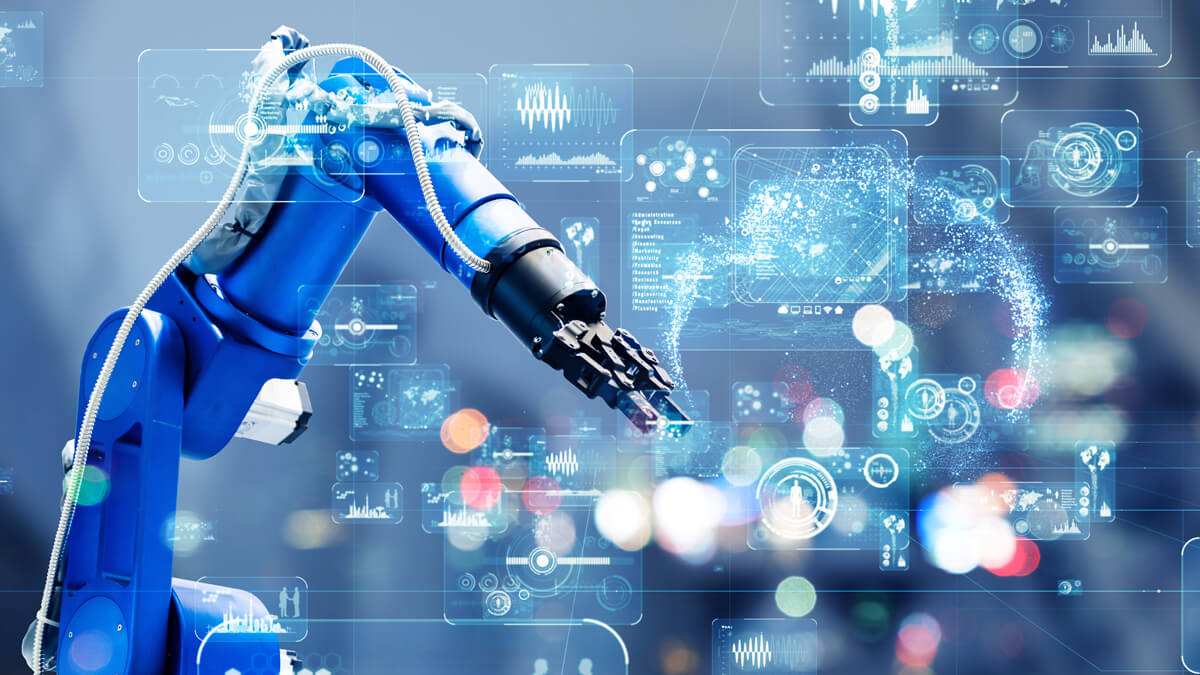
Industrial Automation
Table of Contents:
- Introduction to Industrial Automation
- The Driving Forces Behind the Rise of Industrial Automation
- Impact of Industrial Automation on the Workforce
- Industrial Automation and Its Role in Quality Control
- The Economic Implications of Industrial Automation
- Different Types of Industrial Automation Systems
- Ease of Integration: Implementing Automation in Existing Industries
- Building a Sustainable Future
- The Future Landscape of Manufacturing with Industrial Automation
Key Takeaways:
- Understanding the significant role of industrial automation in advancing manufacturing efficiencies.
- Exploring how automation impacts workforce dynamics and job roles.
- Examining economic benefits and the push towards sustainable manufacturing through automation.
- Discussing the future trends that will define the manufacturing industry.
Introduction to Industrial Automation
As industries seek to remain competitive in a globalized market, adopting industrial automation has become a crucial strategy for survival and growth. This umbrella term encompasses using various control systems and technologies, including robotics and computer software, to operate machinery and processes in manufacturing with minimal human intervention. As such, automation has been a driving force in improving production efficiency, enhancing consistency, and reducing operational costs. The modern manufacturing facility boasts a symphony of buzzing machines and robot arms that work diligently around the clock, effectively increasing output while ensuring precision in industrial automation.
The Driving Forces Behind the Rise of Industrial Automation
In today’s manufacturing realm, time and quality are of the essence, driving the need for solutions that provide both speed and precision. The manufacturing boom of the 21st century has led to increased consumer demand for a diverse array of products with shorter life cycles, necessitating the need for highly adaptable production strategies. Technological advancements in robotics, artificial intelligence (AI), and the Internet of Things (IoT) have allowed companies to reimagine their operations. These innovations streamline processes and open doors to new forms of business intelligence that can lead to more informed decision-making. The seamless integration of these intelligent technologies has placed industrial automation at the forefront of a more resilient, flexible, and optimized manufacturing industry.
Impact of Industrial Automation on the Workforce
The shift toward automated systems is reshaping the manufacturing workforce landscape in several ways. On the one hand, automation technologies have displaced certain low-skilled labor positions, sparking a crucial discussion about the job security of industrial workers. However, this transition is also creating a surge in demand for different skill sets, particularly jobs centering around the programming, operation, and maintenance of machinery. Additionally, a renewed emphasis on workforce development and retraining programs has emerged, presenting challenges and opportunities for continual learning and advancement. The ripple effect of these changes is not to be underestimated, spanning into educational institutions where curricula must adapt to meet the needs of an evolving industry.
Industrial Automation and Its Role in Quality Control
Quality control is the backbone of manufacturing, and automation has revolutionized this domain. Automated inspection systems, for example, offer unparalleled precision, tirelessly examining products without succumbing to the fatigue that can afflict human workers. This reduces defects drastically, ensuring that only products that meet strict standards reach consumers. Moreover, the data collected through such inspection systems is invaluable, providing actionable analytics to hone manufacturing processes further. Success stories are abundant, ranging from the automotive sector to pharmaceuticals, where the rigor of automation has substantially uplifted product integrity and fostered customer trust.
The Economic Implications of Industrial Automation
While the initial investment in automation technologies may be significant, the long-term economic benefits are indisputable. By supplanting recurring labor costs with a one-time investment in machinery, companies can experience significant financial savings. Automated systems operate continuously without breaks, vacations, or sick days, often outperforming the production capabilities of human labor. Furthermore, as countries compete in a global economy, the integration of automation extends far beyond individual companies, influencing national policies and investment strategies. Governments worldwide are incentivizing the adoption of automation to stimulate economic growth and maintain industrial competitiveness.
Different Types of Industrial Automation Systems
Automation in the manufacturing sector is executed through various systems, each specialized for different applications. Programmable Logic Controllers (PLCs) form the electronic brains of the operation, providing real-time control and monitoring of machinery. Computer Numerical Control (CNC) machines epitomize precision in manufacturing, where pre-programmed software dictates the movement of tools and machinery. These technologies, along with robotic arms and conveyor belt systems, are pivotal to enhancing production capabilities and offer flexibility to pivot as market demands change quickly.
Ease of Integration: Implementing Automation in Existing Industries
The incorporation of automation into pre-existing manufacturing operations presents its own set of challenges. Retrofitting older factories requires a thoughtful assessment of both current workflows and desired outcomes. This process often entails significant changes in infrastructure, personnel training, and adopting new software solutions to ensure coherence between old and new systems. The best practices developed in industrial integration emphasize the importance of a phased approach, minimizing disruptions to existing operations. Custom solutions tailored to specific industry needs are becoming increasingly popular, offering a path to efficient and sustainable modernization.
Building a Sustainable Future
The move towards automation aligns closely with the principles of sustainable manufacturing. Automation technologies enable companies to reduce waste and optimize the use of resources significantly. For instance, precise material handling and cutting technologies minimize raw material usage, and advanced energy management systems can drastically reduce energy consumption. The sustainability benefits of automation go beyond the manufacturing floor, as automated reporting and tracking systems provide vital data that help companies make environmentally responsible decisions throughout the supply chain. Embracing automation thus serves the dual purpose of enhancing production efficiency and promoting ethical, eco-friendly business practices.
The Future Landscape of Manufacturing with Industrial Automation
The horizon of manufacturing technology is ever-expanding, with ongoing innovations in automation poised to introduce yet more disruptive changes to the industry. From 3D printing and digital twins to autonomous guided vehicles and collaborative robots, the factory of the future is expected to be a marvel of interconnected, intelligent systems. Forward-thinking manufacturers anticipate and actively engage with these advances, investing in R&D to ensure competitiveness. The ability to accept such disruptive technology will determine a company’s ability to thrive in the face of future industrial breakthroughs.