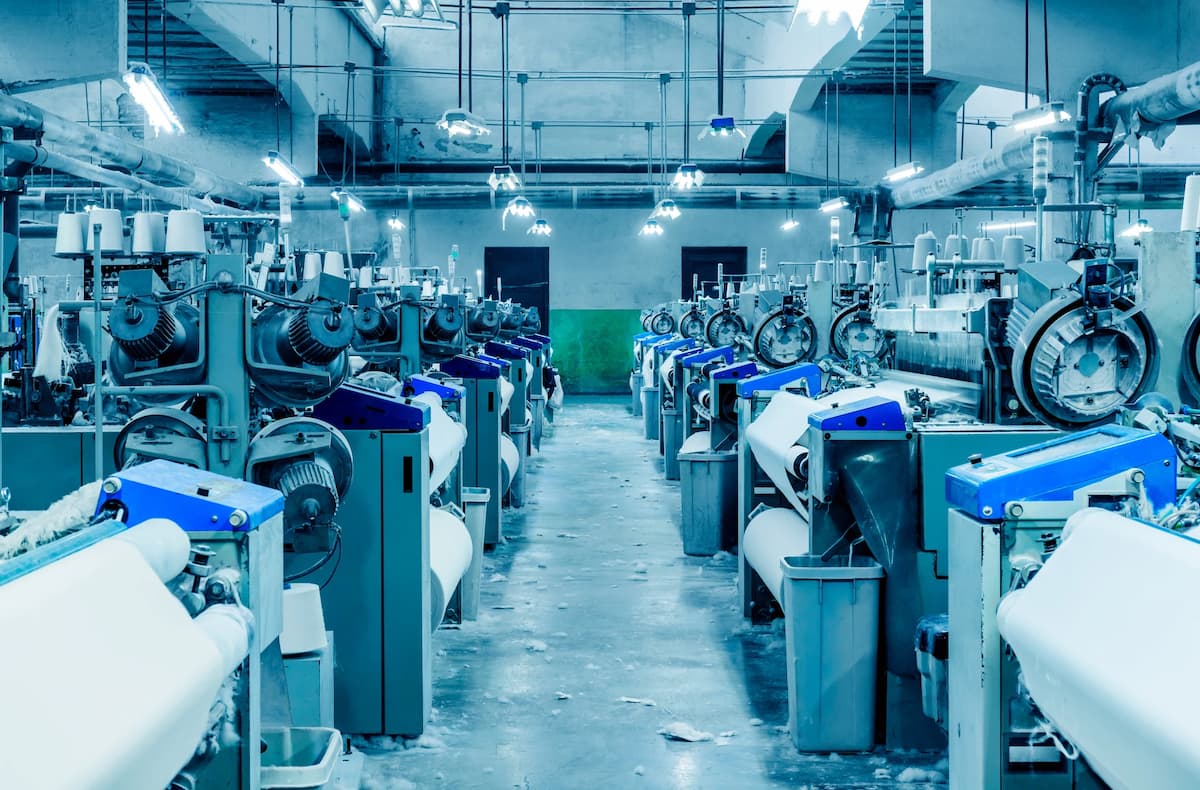
The textile business is currently recognized as a worldwide industry. In the modern world, textiles have become a source of study due to their universality. There are billions of individuals working in the textile sector. Many kinds of fibres, yarns, and textiles are used to make textile products. Historically, the textile industry relied solely on manual labour and standard technology. Technology was use more and more over time. In the present era, with constantly evolving demands, researchers and businesspeople have begun concentrating on a variety of cutting-edge technology and technological aspects to improve product quality and boost manufacturing. The automation or mechanization of the textile industry is one of these subjects currently. T & A bed linen LTD specializes in offering opulent, premium bedding needs that provide a comfortable and stylish sleep every night of the week.
Industrial Automation: What Is It?
The use of cutting-edge technologies to regulate and automate specific manufacturing operations is known as “industrial automation.” The technology of automation is a crucial component of contemporary production since it may help increase productivity, lower costs, and improve product quality. It additionally has the potential to decrease the risk of collisions at work by making workplaces for manufacturing safer.
Automation’s Effects on the Textile Industry
Textile Sector Revolutionized By Automation:
- The textile industry has undergone multiple revolutions due to the development of mechanization and modern technical advancements. Automated machinery and systems are being use by manufacturers in a variety of industrial processes, including spinning, weaving, and dying. The advent of machines controlled by computers has made it possible to produce goods more quickly while maintaining product high standards and effectiveness, as well as lowering energy as well as manufacturing costs.
- Automation has been use in industries by Bangladeshi entrepreneurs over the past three to four years. The nation has about 250 factories that use the newest equipment and technology to complete orders. Utilizing cutting-edge technology helps to drastically reduce costs associated with manufacturing (30–40%) and has positive knock-on effects on performance and lead times.
- Previously employing 150–200 people, the cutting department of a medium-sized factory now employs 10–12 people to operate automatic cutting equipment. Once more, a single machine does the job of creating a back pocket for skinny jeans, which previously required the labour of four humans. Put otherwise, one operator is performing the tasks of four individuals.
- Textile manufacturers can also attain higher levels of customization with advanced automation technologies, which will allow them to swiftly and economically make smaller runs of specialized products. This is especially crucial for businesses in an industry where customer wants are becoming more and more significant as well as where fashion and trends fluctuate quickly.
Increased Productivity:
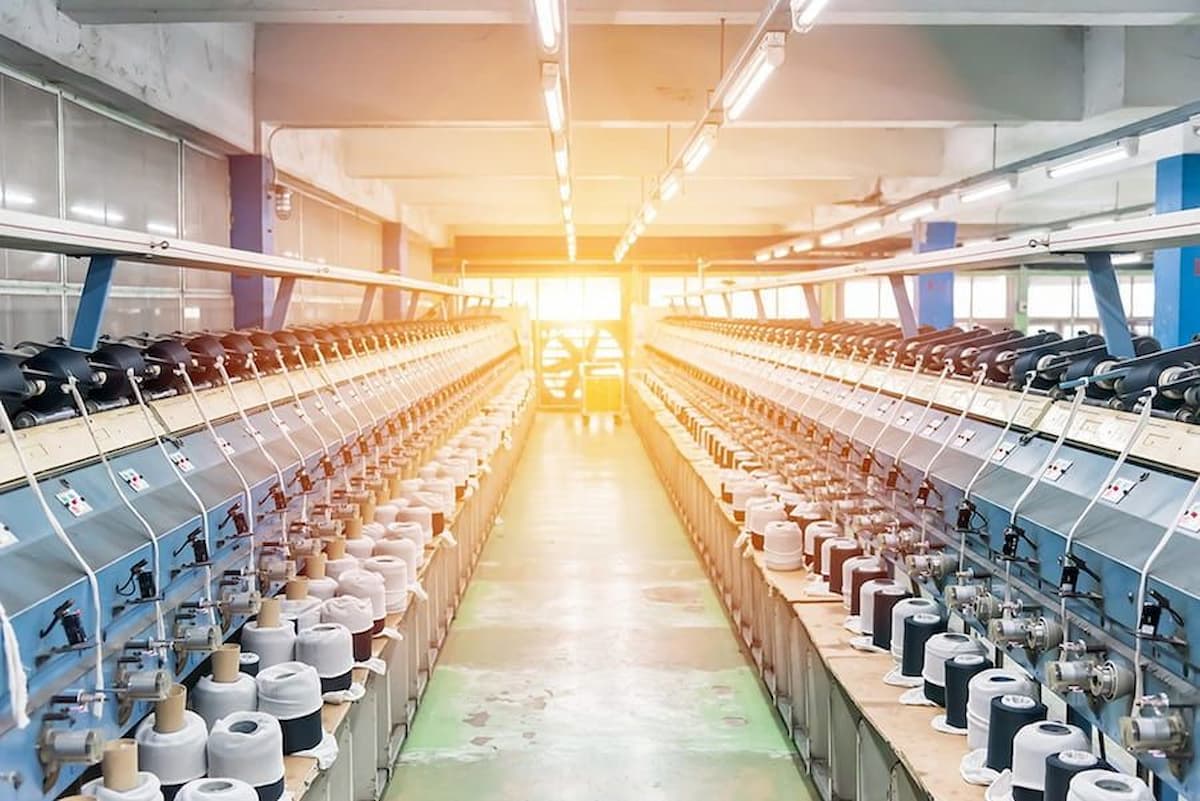
- Automation contributes to increased efficiency. Tasks like spinning, weaving, dying, and printing can be complete more quickly and precisely by computerized equipment and processes than by human labour. This boosts the overall output along with the competitiveness of textile mills by enabling them to make more things in less time. By modifying production capacity, computerized equipment can also assist enterprises in meeting variations in demand.
Shorter Lead Time:
- It’s important to produce the goods on schedule when the needs are constantly changing. Automating jobs will speed up work completion compared to manual processes, which take a long time. Consequently, shortening the period from production to market and providing the appropriate goods at the appropriate time and location.
- The administration of inventory can be expensive at times because the apparel business requires essential components like textiles as well as trimmings. Garment makers can employ computerized techniques for inventory management, which will save costs.
Lower Energy Usage:
- In addition to increasing productivity and effectiveness in the textile sector, automation has had a major positive impact on energy efficiency. Textile producers are looking to mechanization to help them improve their electricity efficiency due to mounting demand to lessen their impact on the environment and rising energy costs. Using cutting-edge sensors as well as controls constitutes one of the most important ways that automation improves energy efficiency throughout the textile sector. Sensors that keep track of the machine’s surroundings, including moisture, humidity, temperature, and energy usage, are a feature of machinery that is automate. The equipment’s performance is then optimise using the resulting information, which has the potential to save a substantial amount of energy.
Final words
Although many in the sector use technological advancements in automation as a material, the solutions must be tailored to the specific needs. As a result, clothing producers ought to select the appropriate computerized solution for their workflow.
Also Read: Essential Clothing Fabric and Material