In the realm of education, the structure of a school day plays a pivotal role in shaping students’ learning experiences. A typical school day is often organized into distinct periods, each dedicated to specific subjects or activities. But just how many periods constitute a typical school day, and what factors influence this structure? This article delves into the intricacies of a school day’s composition, exploring the varying number of periods and the considerations that inform this arrangement.
Understanding the School Day Structure:
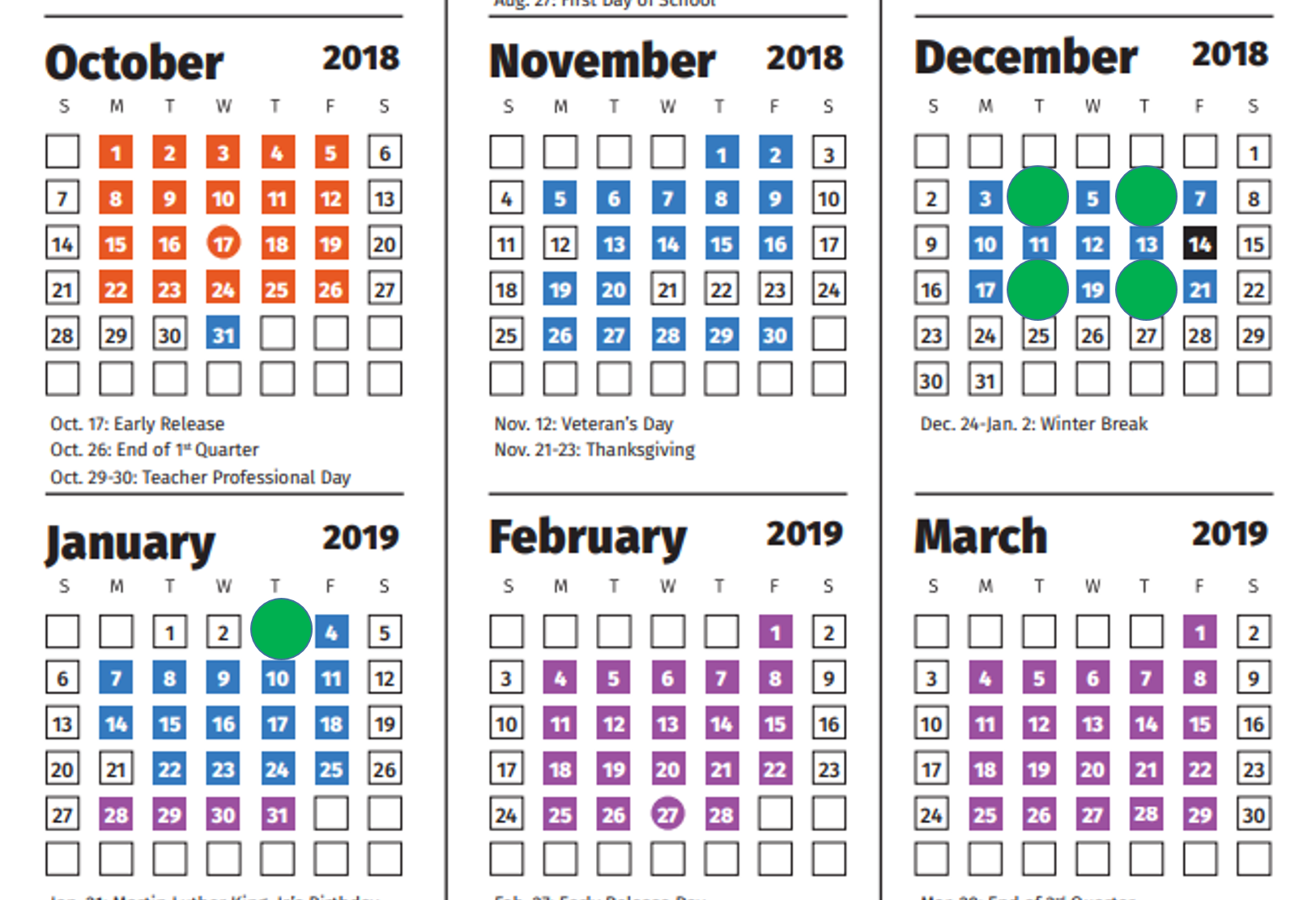
The structure of a school day varies significantly depending on the educational system, level of schooling, and institutional policies. However, across many educational settings, the school day is typically divided into multiple periods or sessions, each lasting a set amount of time. The CMS school calendar typically outlines the number of periods in a school day, ensuring students and staff stay organized and informed.
Number of Periods:
In most traditional educational settings, such as elementary, middle, and high schools, a typical school day consists of anywhere from four to eight periods. However, this can vary widely based on factors such as grade level, curriculum requirements, and scheduling constraints. Elementary schools often have fewer periods, focusing on core subjects like math, language arts, science, and social studies, supplemented by recess and other activities. In contrast, middle and high schools typically have more periods to accommodate a broader range of subjects and elective courses.
Factors Influencing the Number of Periods:
Several factors influence the number of periods in a typical school day:
Curriculum Requirements: The need to cover a diverse range of subjects and meet curriculum standards may necessitate more periods in the school day, especially at higher grade levels.
Class Length: The duration of each period can vary based on instructional needs and preferences. Some schools opt for longer class periods to allow for in-depth exploration of topics, while others prefer shorter periods for greater variety and student engagement.
Elective Courses: Schools offering a wide array of elective courses, such as foreign languages, arts, or vocational subjects, may allocate additional periods to accommodate these offerings.
Block Scheduling: Some schools adopt block scheduling, where classes meet for longer periods on alternate days or in rotating schedules. This approach allows for more concentrated instruction and extended time for activities like lab work or group projects.
Extracurricular Activities: Schools with extensive extracurricular programs may adjust the number of periods to accommodate activities such as sports, clubs, or rehearsals, often scheduling them before or after regular school hours.
Administrative Considerations: Practical considerations, such as transportation schedules, staffing availability, and facility usage, also influence the number and arrangement of periods in a school day. Also have a look at studyheal for more educational blogs.
Impact on Learning:
The number of periods in a school day can have significant implications for student learning and academic outcomes. A well-structured school day provides opportunities for comprehensive instruction, balanced curriculum coverage, and student engagement. However, an excessive number of periods or overly rigid schedules may lead to fatigue, diminished attention spans, and limited opportunities for deeper learning experiences.
Conclusion:
In conclusion, the number of periods in a typical school day varies based on a multitude of factors, including grade level, curriculum requirements, and scheduling considerations. While there is no one-size-fits-all approach, a thoughtfully designed school day structure aims to optimize learning opportunities while considering the diverse needs of students and educators. By understanding the factors that influence the composition of the school day, educational institutions can strive to create environments that foster student success and academic excellence.