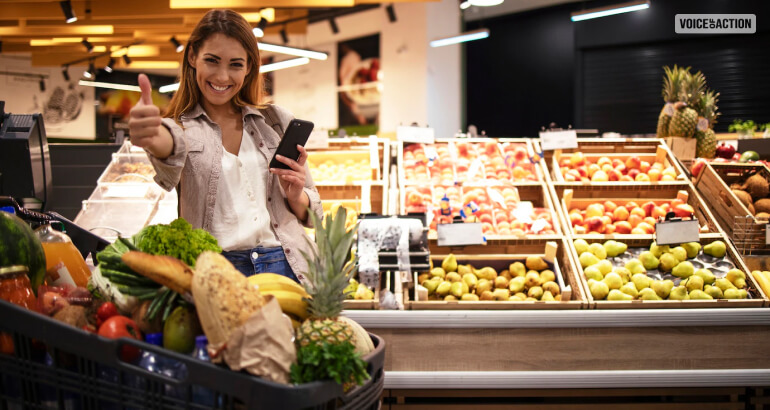
In our fast-paced lives, finding efficient ways to manage time and resources is crucial. One aspect that often demands our attention is grocery shopping. Navigating to the closest grocery store can offer a range of benefits, from saving time to reducing transportation costs.
Benefits of Navigating to the Closest Grocery Store
Time-saving advantages
One of the primary advantages of heading to the nearest grocery store is the time saved. With the hustle and bustle of daily life, minimizing the time spent on errands becomes essential.
Reduced transportation costs
Choosing the closest grocery store also means cutting down on transportation expenses. Whether you drive, use public transportation, or walk, the proximity of the store plays a significant role in cost savings.
Fresh produce and perishables
Proximity ensures that you get the freshest produce and perishables. It reduces the time these items spend in transit, ensuring they reach your table at their peak freshness.
Tools for Finding the Nearest Grocery Store
Smartphone applications
In the digital age, smartphones have become indispensable tools. Various apps can help you find the nearest grocery store, providing real-time directions and additional information.
Online maps
Online maps, particularly Google Maps, have revolutionized the way we navigate our surroundings. These maps not only show the route but also display reviews and store details.
GPS devices
For those who prefer a dedicated device, GPS navigation systems can guide you to the closest grocery store with precision.
Using Mobile Apps for Navigation
Navigating to the closest grocery store is made seamless with the use of mobile apps. Popular apps like Waze, Google Maps, and Apple Maps provide turn-by-turn directions, real-time traffic updates, and even suggest alternative routes.
Utilizing Online Maps
Google Maps, being a widely used online mapping tool, is an excellent resource for finding nearby grocery stores. Users can simply type “grocery store” into the search bar, and the map will display a variety of options in the vicinity.
Tips for Efficient Grocery Store Navigation
Planning the route in advance
Before setting out, plan your route to the grocery store. Consider traffic patterns, potential roadblocks, and any other factors that might affect your journey.
Real-time traffic updates
Apps like Waze provide real-time traffic updates, helping you navigate around congested areas and choose the fastest route to your destination.
Alternate route suggestions
Exploring alternative routes can be beneficial, especially during peak hours. Some navigation apps offer multiple route options, allowing you to choose the most convenient path.
Navigating on Foot
Benefits of walking to the grocery store
If your grocery store is within walking distance, consider the benefits of a leisurely stroll. Walking not only promotes a healthy lifestyle but also reduces your carbon footprint.
Safety tips for pedestrians
For those walking to the store, adhere to pedestrian safety guidelines. Use designated crosswalks, be aware of your surroundings, and wear reflective clothing, especially during low-light conditions.
Considering Public Transportation
Pros and cons of using public transportation
Public transportation can be a convenient option for those without personal vehicles. However, it’s essential to weigh the pros and cons, considering factors like travel time and accessibility.
Navigating with buses or trains
Understanding the public transportation routes in your area can streamline your journey to the grocery store. Check bus or train schedules to plan your trip effectively.
Community Involvement and Local Markets
Supporting local businesses
Navigating to local grocery stores supports the community and local businesses. It contributes to the local economy and fosters a sense of community.
Finding community markets and small grocery stores
Explore local markets and smaller grocery stores in your neighborhood. These establishments often offer unique products and a more personalized shopping experience.
Eco-Friendly Grocery Shopping
Reducing carbon footprint
Choosing the closest grocery store reduces the environmental impact of your shopping trips. Shorter distances translate to lower carbon emissions, contributing to a more sustainable lifestyle.
Choosing environmentally friendly transportation options
Consider eco-friendly transportation options, such as biking or walking, to further reduce your carbon footprint when heading to the grocery store.
Personal Stories and Experiences
Anecdotes from people who prefer navigating to the closest grocery store
Hearing personal stories from individuals who choose the closest grocery store can provide insights into the practical benefits and experiences of this approach.
Testimonials on time and cost savings
Explore testimonials highlighting the time and cost savings achieved by individuals who prioritize proximity when selecting a grocery store.
Challenges and Solutions
Common challenges in navigating to the closest grocery store
Addressing common challenges, such as traffic congestion or limited parking, helps readers prepare for potential obstacles in their grocery store journeys.
Solutions to overcome obstacles
Offer practical solutions to overcome challenges, ensuring a smoother and more enjoyable shopping experience.
Incorporating Technology for Smart Shopping
Smart shopping lists
Explore the use of smart shopping lists through mobile apps, allowing users to organize their grocery needs efficiently.
QR codes for quick checkout
Some grocery stores utilize QR codes for a faster checkout process. Familiarize yourself with this technology to streamline your shopping experience.
Future Trends in Grocery Store Navigation
Technological advancements in navigation
Stay informed about upcoming technological advancements that may enhance the navigation experience when heading to the grocery store.
Integration of artificial intelligence
The integration of AI into navigation tools could revolutionize the way we plan and execute trips to the grocery store.
Conclusion
In conclusion, navigating to the closest grocery store offers a myriad of benefits, from time and cost savings to fresher produce. By utilizing various tools, considering different modes of transportation, and embracing community and eco-friendly options, individuals can make their grocery shopping experiences more efficient and enjoyable.
FAQs
- Q: Are there specific apps designed for finding grocery stores?
- A: Yes, several apps, such as Waze, Google Maps, and Apple Maps, are tailored for locating nearby grocery stores.
- Q: How can I reduce my carbon footprint when grocery shopping?
- A: Opt for eco-friendly transportation options like walking or biking, and choose local stores to minimize travel distances.
- Q: What are the advantages of walking to the grocery store?
- A: Walking promotes a healthy lifestyle, reduces carbon emissions, and is a convenient option for those with nearby stores.
- Q: How can I plan my route to the grocery store more efficiently?
- A: Consider using navigation apps with real-time traffic updates, plan alternative routes, and be aware of potential obstacles.
- Q: Are there upcoming technological advancements in grocery store navigation?
- A: Yes, the integration of artificial intelligence into navigation tools is a potential future trend that could enhance the overall shopping experience.