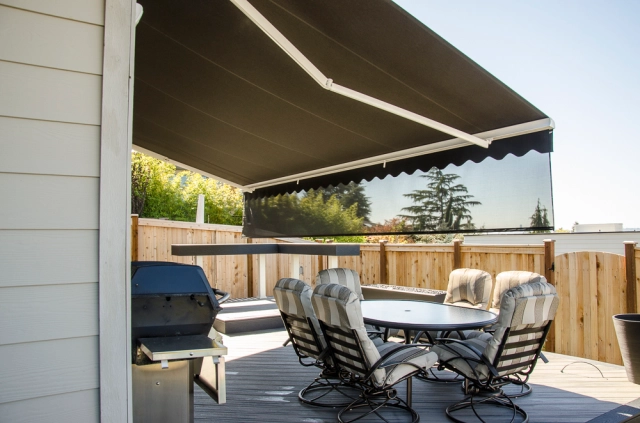
Awnings have been an integral part of architecture for centuries, providing shade and shelter to outdoor spaces. Traditionally, these structures were manually operated, requiring physical effort to extend or retract. However, with advancements in technology, motorized awnings have emerged as a popular choice, offering enhanced convenience and a touch of modernity to homes and businesses alike.
The Evolution of Awnings
Awnings have a rich history that dates back to ancient civilizations. The ancient Egyptians, Greeks, and Romans used woven mats to create shade and protect themselves from the scorching sun. Over time, motorised awning designs evolved, incorporating various materials such as cloth, metal, and wood.
Manual awnings, operated by a hand crank or pulley system, became prevalent in the 19th century. These awnings allowed users to control the extension and retraction of the fabric manually. While effective, manual operation had its limitations, requiring physical effort and time to adjust the awning.
The Rise of Motorized Awnings
In recent decades, motorized awnings have gained popularity due to their ease of use and added functionality. The integration of electric motors and advanced control systems has transformed traditional awnings into modern, automated marvels. These motorized systems offer several advantages that have contributed to their widespread adoption.
Convenience and Ease of Operation:
One of the primary benefits of motorized awnings is the convenience they bring to users. With a simple push of a button or remote control, the awning extends or retracts effortlessly. This eliminates the need for manual labor, making it particularly appealing to those with physical limitations or those who simply prefer a hassle-free experience.
Precise Control:
Motorized awnings allow for precise control over the extension and retraction process. Users can stop the movement at any desired point, providing flexibility in adjusting the amount of shade based on the sun’s position or changing weather conditions. This level of control enhances the overall comfort of the outdoor space.
Integration with Smart Home Systems:
In the era of smart homes, motorized awnings have kept pace with technological advancements. Many motorized awning systems can be integrated into smart home automation systems. This integration enables users to control their awnings remotely through smartphones or voice-activated assistants, adding an extra layer of convenience and flexibility.
Sensor Technology:
To further enhance functionality, motorized awnings often come equipped with sensors. Sun sensors can automatically extend the awning when sunlight is intense, providing instant shade. Wind sensors, on the other hand, can retract the awning during strong winds, preventing potential damage. These sensors contribute to the longevity of the awning and provide peace of mind to users.
Enhanced Aesthetic Appeal:
Motorized awnings are not only practical but also contribute to the aesthetic appeal of a space. The absence of visible cords or cranks creates a cleaner and more streamlined look. This modern and sleek design complements various architectural styles, making motorized awnings a popular choice for both residential and commercial properties.
Durable and Low Maintenance:
Motorized awnings are designed with durability in mind. High-quality materials and construction ensure longevity, and Motorised Roof Blinds the automated nature of the system reduces wear and tear associated with manual operation. This, coupled with low maintenance requirements, makes motorized awnings a cost-effective investment in the long run.
Considerations When Choosing a Motorized Awning
While motorized awnings offer numerous benefits, it’s essential to consider certain factors when choosing the right system for your needs.
Size and Design:
The size and design of the awning should complement the architecture of the building and the outdoor space. Careful consideration of the area to be covered and the desired aesthetic can guide the selection process.
Motor and Control System:
The motor plays a crucial role in the performance of the awning. High-quality motors ensure smooth and quiet operation. Additionally, consider the control options available – whether it’s a simple remote control, integration with a smart home system, or both.
Fabric Selection:
The fabric used in the awning should be durable, weather-resistant, and fade-resistant. Many modern awnings use advanced materials such as acrylic or polyester fabrics that provide excellent UV protection and withstand the elements.
Wind and Sun Sensors:
If you prioritize automation and want to ensure the longevity of your awning, consider models equipped with wind and sun sensors. These sensors add an extra layer of protection and convenience, automatically adjusting the awning based on prevailing weather conditions.
Professional Installation:
While some may attempt a DIY installation, it’s highly recommended to enlist the services of professionals. Proper installation ensures the awning functions optimally and prevents potential safety hazards. Professional installers can also provide guidance on the best placement and orientation for the awning.
Conclusion
Motorized awnings represent a significant leap forward in the world of outdoor shading solutions. The combination of convenience, advanced technology, and aesthetic appeal has made them a popular choice for homeowners and business owners alike.