The E4OD (Electronically Controlled 4-Speed Overdrive Transmission) is a widely used automatic transmission found in Ford trucks and vans. However, like any mechanical system, it can develop issues over time. One common problem is Code 625, which relates to the Torque Converter Clutch (TCC) solenoid circuit. This error can lead to overdrive failure, affecting vehicle performance and fuel efficiency.
In this guide, we will cover everything you need to know about how to fix E4OD Code 625 in overdrive, including its causes, symptoms, and step-by-step solutions.
Understanding E4OD Code 625
What Does Code 625 Mean?
Code 625 indicates a problem in the Torque Converter Clutch solenoid circuit within the E4OD transmission. The TCC solenoid controls the lock-up function of the torque converter, allowing a direct connection between the engine and transmission at higher speeds.
Causes of Code 625
Several factors can trigger E4OD Code 625:
- Faulty TCC Solenoid: The solenoid responsible for controlling torque converter lock-up may be defective.
- Damaged Wiring or Connectors: Broken or corroded wires can prevent the solenoid from functioning correctly.
- Faulty PCM (Powertrain Control Module): The PCM controls the transmission and can cause this issue if it’s malfunctioning.
- Low or Contaminated Transmission Fluid: Poor fluid quality can affect solenoid performance.
- Internal Transmission Issues: Worn clutch packs, valves, or seals can lead to TCC failure.
Symptoms of E4OD Code 625
Recognizing the symptoms of E4OD Code 625 can help you address the problem before it leads to major transmission failure. Common signs include:
- Overdrive Not Engaging: The vehicle may refuse to shift into overdrive.
- Check Engine Light or Overdrive Light Flashing: A warning light on the dashboard may indicate a transmission problem.
- Harsh or Erratic Shifting: The transmission may shift unpredictably or feel rough during gear changes.
- Slipping Transmission: The vehicle may struggle to maintain speed due to power loss.
- Poor Fuel Economy: A malfunctioning torque converter clutch can lead to increased fuel consumption.
Step-by-Step Guide on How to Fix E4OD Code 625 in Overdrive
Step 1: Diagnose the Problem
Before attempting repairs, confirm the issue using an OBD-I or OBD-II scanner (depending on your vehicle’s model year).
- Connect the scanner to the vehicle’s diagnostic port.
- Check for stored codes. If Code 625 appears, proceed with the following steps.
- Inspect live data for torque converter operation and solenoid control.
Step 2: Inspect Wiring and Connectors
Since wiring issues are a common cause of E4OD Code 625, inspect the electrical connections first.
- Locate the TCC solenoid connector (usually found on the transmission harness).
- Check for corrosion, frayed, or broken wires.
- Use a multimeter to test for continuity and proper voltage supply.
- If any damaged wires or connectors are found, repair or replace them.
Step 3: Check Transmission Fluid
Low or contaminated transmission fluid can impact solenoid function.
- Check the fluid level using the dipstick while the engine is running and the vehicle is in park.
- If the fluid is low, add Mercon V ATF (Ford’s recommended fluid for E4OD transmissions).
- If the fluid is burnt or dirty, perform a transmission fluid and filter change.
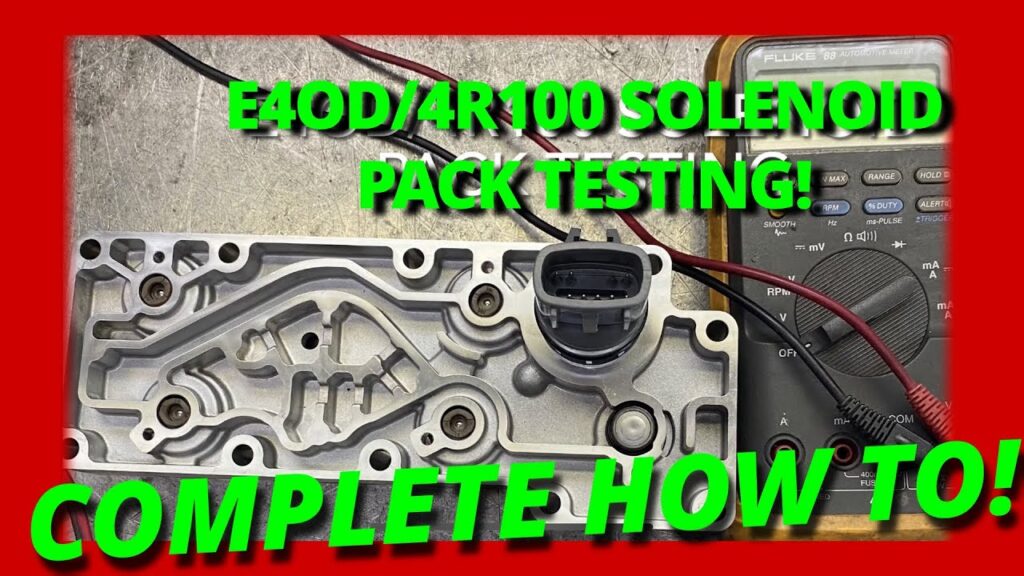
Step 4: Test and Replace the TCC Solenoid
If wiring and fluid are fine, the TCC solenoid itself may be faulty.
- Locate the TCC solenoid within the E4OD valve body.
- Use a multimeter to check resistance. A functional solenoid should read 10-20 ohms.
- If the reading is out of range, replace the solenoid with a new one.
- Reassemble the transmission components and test the vehicle.
Step 5: Inspect the Powertrain Control Module (PCM)
If the issue persists after replacing the solenoid, the PCM may be faulty.
- Scan the PCM for additional transmission-related error codes.
- If necessary, update or replace the PCM with a compatible unit.
Step 6: Perform a Test Drive
Once repairs are complete, take the vehicle for a test drive to ensure proper operation.
- Accelerate normally and observe shifting behavior.
- Engage overdrive and check for smooth operation.
- Monitor the overdrive light and scan for any new codes.
Preventive Maintenance Tips for E4OD Transmission
To avoid future occurrences of Code 625, follow these maintenance practices:
- Regularly Change Transmission Fluid: Replace fluid and filters every 30,000–50,000 miles.
- Check Wiring and Connectors: Inspect transmission wiring harnesses periodically for damage.
- Avoid Overloading the Vehicle: Excess weight can strain the transmission.
- Use a Transmission Cooler: Helps maintain optimal operating temperatures.
- Address Minor Issues Early: Fixing small transmission problems early prevents major failures.
Frequently Asked Questions (FAQs)
1. How much does it cost to fix E4OD Code 625?
The repair cost depends on the issue:
- Wiring repairs: $50–$200
- TCC solenoid replacement: $150–$400
- PCM replacement: $500–$1,200
- Full transmission rebuild: $1,500–$3,500
2. Can I drive with E4OD Code 625?
While the vehicle may still drive, prolonged use with Code 625 can lead to transmission damage, poor fuel economy, and unsafe driving conditions.
3. How do I reset the code after repairs?
To reset the check engine light:
- Disconnect the battery for 15–30 minutes.
- Reconnect the battery and start the engine.
- Use an OBD scanner to clear the codes.
4. Will replacing the transmission fluid fix Code 625?
If low or dirty fluid is the cause, a fluid change may resolve the issue. However, if the TCC solenoid or PCM is faulty, additional repairs are necessary.
5. What are common signs of a failing E4OD transmission?
- Delayed or harsh shifting
- Overdrive not engaging
- Transmission slipping
- Check engine light on
- Unusual noises (whining or grinding)
Conclusion
Fixing E4OD Code 625 in overdrive involves diagnosing and addressing electrical, fluid, and mechanical issues within the transmission system. By following the step-by-step troubleshooting guide outlined above, you can identify and resolve the problem efficiently. Regular maintenance and early detection of transmission issues will help keep your E4OD transmission running smoothly for years to come.