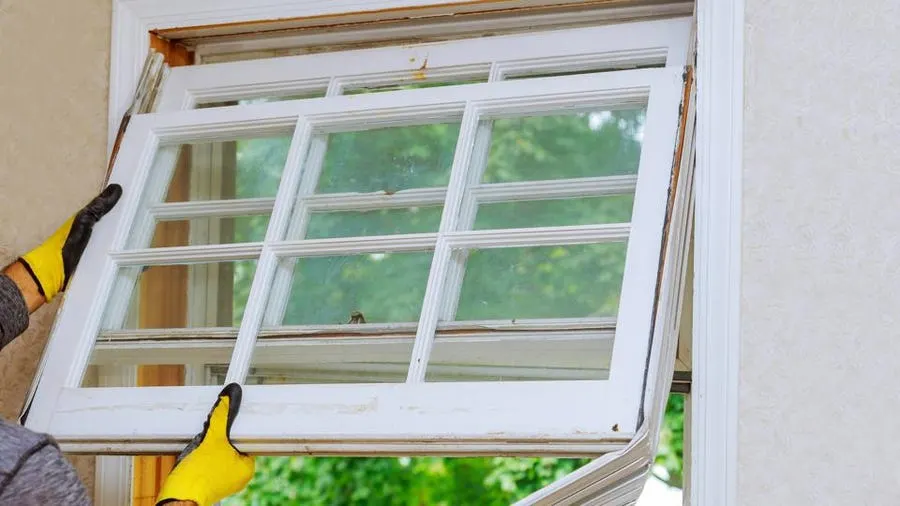
Several factors impact the cost of window replacement. Specialty window styles, like bay or picture windows, cost more compared to standard double-hung or single-hung windows.
Energy-efficient features, like insulated glass and Low-E coatings, add to the materials cost. And additional expenses include permit fees and disposal costs. Some homeowners choose to replace multiple windows at once, which can reduce labor costs per window.
Cost of Materials
The window replacement cost is impacted by the style, size and options that you choose. For example, bay windows are more expensive than single-hung windows, and awning windows require more work to install than sliding windows. The type of window glass and frame material also affect the price. Energy-efficient options like double-pane and argon gas fill are more expensive than standard frames, but the energy savings may help offset this initial investment.
Other factors that influence the overall cost include drywall, framing and trim. Drywall costs around $1.00 per square foot, while framing costs increase with the complexity of your project. If you want to know about window installation company, visit this website adelphiaexteriors.com
Specialized window types like skylights can run upwards of $500 for materials and installation, and windows on the second floor or above may be more costly than those on the ground level due to safety issues. Talk to a reliable local contractor for exact quotes based on your specific needs. They can recommend brand names with styles that look good and fit your budget.
Cost of Installation
Window installation is a complex task, so you should consider hiring professionals to ensure the job is done correctly. If you attempt to do it yourself, it could lead to air leakage, moisture infiltration, and costly repairs down the road. Additionally, most manufacturers require professional installation in order to honor their warranties.
The type of windows you choose can also impact your total costs. Single-hung windows with one movable sash are affordable and easy to install, while bay windows cost more due to their complexity. You can also expect to pay more for egress windows, which are required in certain areas of the home as fire escapes.
You should also factor in energy efficiency when choosing your frame materials. Energy Star windows are rigorously tested for performance across climates and provide significant savings on household energy bills. You can also reduce your installation costs by opting for aluminum frames, which are less expensive than vinyl but still offer good insulation properties.
Labor Costs
There are a few things that can influence labor costs. These include your location, which impacts how far the installation company has to travel for the job. It’s also important to consider the season, as window installation is busier in the spring and summer.
Another factor is the type of windows you choose. Energy-efficient windows have higher up-front costs but can save you money in the long run on energy costs. The window style you select can also impact the price. Large picture windows and other custom options cost more than single-pane windows.
If you need to remove the old windows or drywall to install the new ones, that will add to your installation costs. It’s recommended to work with a local contractor who can provide a full estimate for the entire project. Do-it-yourself installation is a risky option that can result in improper installation, air leaks and moisture infiltration. This can affect the performance and longevity of your windows.
Warranties
If you’re planning to install replacement windows, you want to look for a contracting company that offers an extensive window warranty. This includes a manufacturer’s warranty and a workmanship warranty. A contracting company that is an authorized window manufacturer and has extra credentials such as being a master or elite installer will be able to offer a more comprehensive warranty on the products you’re purchasing.
The length of the warranty will also depend on what type of window you have, as well as its components. Manufacturers will often offer lifetime warranties, limited lifetime warranties, and timeframe warranties. It’s important to understand what each one means, as some will only cover specific parts or issues and not other factors such as wear and tear. In addition, some manufacturers won’t cover damage caused by neglect or improper maintenance, so it’s important to maintain the windows properly. Some warranties are transferable, which can add value to your home when it comes time to sell.