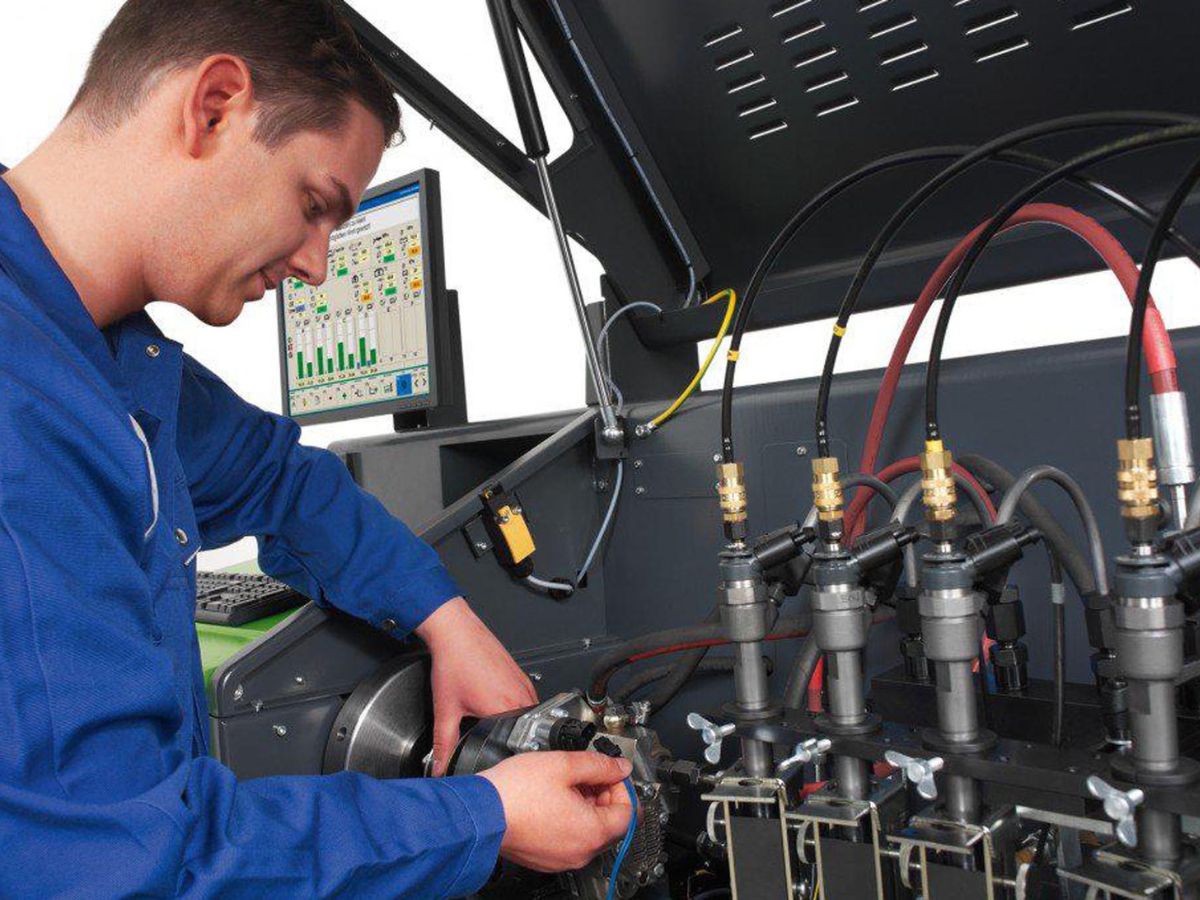
The efficiency of a modern-day diesel engine is centred on the efficient use of fuel, and the diesel injection system is essential to maximising fuel economy. Diesel injection systems do this by accurately regulating the amount, schedule, and distribution of fuel to guarantee optimal combustion and optimum power output. In this investigation, we explore the complex mechanisms via which diesel injection systems affect fuel efficiency, emphasising the effects these systems have on engine efficiency, a decrease in emissions, and the general operating economy. Consider getting diesel injection service for your car if you wish to see the potential of your car and what it can do in top condition.
How Do Injectors Operate? How Do Injectors Work?
Depending on the engine they are used in, fuel injectors differ but in general, they monitor the quantity of air which enters the engine and calculate the quantity of fuel needed. The injector’s body will fill with fuel from the injection pump, and pressure starts to develop (about 4000 psi). The injector’s check valve opens and releases fuel as pressure increases. ECMs are used by most engines to regulate and enable the injector nozzle. When the valve opens, the injector, with which the nozzle is linked, shoots fuel straight into the air. After the valve is opened, any leftover fuel is sent through the injector body and back to the injection pump. It is necessary for contemporary injectors, like the ones used in the Doosan D24, D18, and D34 engines, to be programmed to the ECU.
The filter, guide ring, core spring, seat spring, seat, pole piece, stop, solenoid coil, solenoid body, core ring, core, spray tip, director, & spray tip housing are among the approximately fifteen major components of the majority of injectors. As previously indicated, the ECM raises a ball off its seat to regulate the fuel flow. After passing through the seat orifice, the gasoline exits via a stationary director plate that has many holes in it. The gasoline spray pattern is guided by the director’s plate.
What’s the Ideal Life of My Fuel Injector?
The typical lifespan of a fuel injector ranges from 50,000 to 100,000 miles, based on the kind you’re using. Injectors have also been known to last up to 200,000 miles or more. How well you maintain your fuel injectors and the types of terrain your car is driven on can determine how long they last. It is crucial to do regular checks on your fuel injectors & fuel system, approximately every 250 hours, to prolong their lifespan.
Impact On Fuel Efficiency:
The fuel economy of a diesel engine is largely dependent on the diesel injection system. The impact on fuel economy is as follows:
Optimal Fuel Delivery:
The diesel injection mechanism carefully regulates the amount of fuel that enters the engine’s combustion chamber. The method provides optimal combustion, optimising the energy recovered from the fuel while decreasing waste by precisely infusing the fuel at the optimum time and quantity. Fuel economy increases as a result of this optimisation.
Injection Pressure:
To provide finer fuel atomisation, contemporary diesel injection systems run at high pressures. Whole combustion and higher fuel economy are the outcomes of finer fuel droplets combining more successfully with the air inside the combustion chamber. In addition to promoting greater fuel-air mixing & lowering emissions, higher injection pressures also enhance engine performance.
Several Injection Events:
A lot of sophisticated diesel injection systems can perform several injection events in a single engine cycle. These systems may improve fuel-air mixing. And minimise heat losses by dividing the fuel supply into many smaller injections, hence improving combustion control. This method makes sure that greater amounts of the fuel’s energy are transformed into productive labour, which improves fuel economy.
Timing of Fuel Injection:
A key factor in maximising fuel efficiency is the timing of fuel injection. Fuel is injected as it will be used to generate power most efficiently because of the injection system’s ability to change the timing of injection based on engine operating circumstances, including speed and load. Optimising the time of injections reduces fuel waste and increases engine performance.
Precise Metering:
Fuel can be metered out very precisely with advanced diesel injection systems, giving the combustion chamber’s fuel-to-air ratio fine control. By ensuring that the engine runs at its ideal air-fuel combination, this accuracy maximises fuel economy & combustion efficiency.
Electronic Control:
Electronic control units (ECUs) are a common component of diesel injection systems. These devices constantly track engine characteristics and modify fuel supply as necessary. These ECUs ensure excellent fuel economy under a variety of operating scenarios by optimising fuel injection settings in real-time depending on variables including engine load, speed, temperature, & driving circumstances.
Final Words
Through the optimisation of fuel supply, injection pressure, timing, & metering, the diesel injection system greatly affects fuel economy. Sophisticated diesel injection systems provide effective combustion and fuel use, which improves engine operation, reduces pollutants, and improves fuel efficiency.
Also, read: Role of Car Inspections in Preventing Accidents