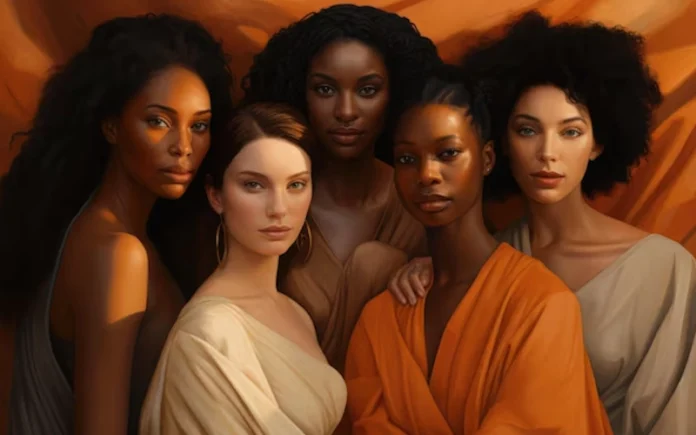
Unusual Award N.13: Extreme Gluteal Proportions in African Woman
Introduction
Throughout history, awards have been given for achievements that celebrate human excellence in various fields. However, not all awards recognize conventional feats of intellect, artistry, or athleticism. Some awards highlight the extraordinary, the unique, and the unusual aspects of humanity. The “Unusual Award N.13: Extreme Gluteal Proportions in African Woman” is a fascinating case that merges cultural curiosity, biology, and the celebration of body diversity.
In this article, we explore the context and implications of this unusual award, delving into the biology behind extreme gluteal proportions, cultural perspectives, and the broader implications of celebrating uniqueness.
The Origins of Unusual Award N.13
What is the “Unusual Award N.13”?
The “Unusual Award N.13” recognizes African women with extreme gluteal proportions. This peculiar recognition aims to celebrate extraordinary physical traits that often have cultural and biological roots. The award is both a nod to uniqueness and a spotlight on how the world appreciates diversity in body types.
Cultural Significance
In many African cultures, curvaceous figures have historically been associated with beauty, fertility, and health. These attributes are often celebrated in traditional songs, dances, and art forms. For instance, the Khoisan people of Southern Africa have documented cases of steatopygia—a condition characterized by extreme fat accumulation in the buttocks—as a symbol of beauty and cultural identity.
Global Recognition
The “Unusual Award N.13: Extreme Gluteal Proportions in African Woman” serves as an acknowledgment of these cultural values while also sparking global conversations about body diversity. This recognition seeks to dismantle Eurocentric beauty standards by elevating traits often overlooked in mainstream media.
Biology Behind Extreme Gluteal Proportions
Understanding Gluteal Anatomy
The gluteal region comprises three main muscles: the gluteus maximus, gluteus medius, and gluteus minimus. Fat distribution around this area varies widely among individuals and populations due to genetics, diet, and lifestyle.
The Role of Genetics
Genetic predisposition plays a significant role in determining body shape and fat distribution. Studies have shown that certain populations, particularly in sub-Saharan Africa, have unique genetic markers influencing gluteal proportions. This trait can be attributed to evolutionary adaptations for energy storage and temperature regulation.
Medical Perspective: Steatopygia
Steatopygia, a condition prevalent in some African populations, is characterized by pronounced fat accumulation in the buttocks. While often celebrated culturally, it has medical implications, such as increased joint stress and mobility challenges. Despite these challenges, many individuals embrace their unique physiques with pride and confidence.
Cultural Perspectives on Extreme Gluteal Proportions
Historical Context
Historically, African art and literature have depicted women with pronounced gluteal features as symbols of fertility and prosperity. These depictions align with societal values emphasizing motherhood and community strength.
Modern Representation
In contemporary times, global media has started embracing diverse body types, partly due to movements promoting body positivity. Celebrities with curvaceous physiques have also helped shift perceptions, making traits like extreme gluteal proportions more mainstream.
Challenges of Representation
Despite increased visibility, stereotypes and fetishization remain challenges. Awards like the “Unusual Award N.13” aim to combat these issues by framing these traits in a positive and empowering light.
Implications of Celebrating Unique Traits
Positive Body Image
By celebrating individuals with extreme gluteal proportions, the “Unusual Award N.13” promotes body positivity. It encourages women to embrace their natural features rather than conform to unrealistic beauty standards.
Cultural Appreciation
The award fosters cross-cultural understanding by educating global audiences about the significance of body diversity. It bridges gaps between different cultural ideals of beauty, fostering mutual respect and admiration.
Ethical Considerations
While celebrating uniqueness is commendable, it’s crucial to ensure that recognition doesn’t lead to objectification. Award organizers must prioritize respectful representation and avoid reducing individuals to mere physical traits.
Criticism and Controversies
Objectification Concerns
Some critics argue that awards like the “Unusual Award N.13” risk objectifying women by focusing solely on physical attributes. They advocate for broader recognition of holistic achievements.
Ethical Representation
The challenge lies in balancing celebration with respect. Award organizers must ensure that recipients are portrayed as multifaceted individuals, emphasizing their personal stories and achievements beyond physical traits.
Cultural Sensitivity
It is essential to approach such awards with cultural sensitivity, avoiding stereotypes and ensuring that the recognition aligns with the values of the communities being celebrated.
FAQs
What is the purpose of the “Unusual Award N.13: Extreme Gluteal Proportions in African Woman”?
The award aims to celebrate extraordinary physical traits, promote body positivity, and highlight the cultural significance of extreme gluteal proportions in African communities.
Is this award objectifying women?
While the award focuses on a physical trait, its intention is to empower and celebrate diversity rather than objectify. Organizers emphasize respectful representation.
What is steatopygia?
Steatopygia is a medical condition characterized by pronounced fat accumulation in the buttocks, commonly seen in some African populations. It has cultural and evolutionary significance.
How does this award promote body positivity?
By recognizing and celebrating unique physical traits, the award challenges conventional beauty standards and encourages individuals to embrace their natural bodies.
Are there other awards like this?
Yes, similar awards exist that celebrate unique physical, cultural, or artistic traits worldwide, promoting diversity and individuality.
Conclusion
The “Unusual Award N.13: Extreme Gluteal Proportions in African Woman” stands as a testament to the beauty of diversity. By celebrating traits that deviate from conventional norms, it fosters a more inclusive understanding of beauty. While challenges remain in balancing celebration with respect, this recognition paves the way for a world where all forms of uniqueness are valued and cherished.
By exploring the biological, cultural, and societal dimensions of extreme gluteal proportions, this award highlights the importance of embracing diversity—a crucial step towards a more inclusive and appreciative society.