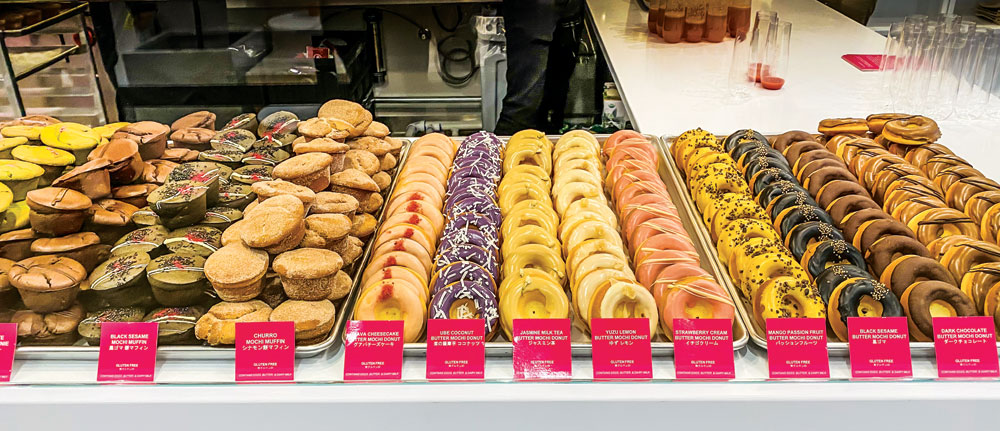
Introduction to the Third Culture Bakery Lawsuit
In the bustling world of culinary arts, where innovation meets tradition, Third Culture Bakery stands out not just for its mouth-watering mochi muffins and delightful doughnuts but also for a simmering legal dispute that has captured the attention of food enthusiasts and legal experts alike. This article delves into the Third Culture Bakery lawsuit, a pivotal case that has stirred the pot in the culinary community, raising questions about copyright, innovation, and the essence of culinary culture.
The Crust of the Matter: What Sparked the Lawsuit?
A dispute over intellectual property rights is at the heart of the Third Culture Bakery lawsuit. The bakery, known for its unique blend of flavours and textures that pay homage to the owners’ diverse cultural backgrounds, filed a lawsuit against a former employee and a rival bakery. The contention? Alleged theft of proprietary recipes and baking techniques, which Third Culture Bakery claims are integral to their brand identity and success.
The Legal Yeast: Understanding Copyright in the Culinary World
Delving deeper into the dough, it’s crucial to understand the nuances of copyright law as it applies to the culinary arts. Unlike books, music, or software, recipes often fall into a grey area regarding copyright protection. This section will explore how the law differentiates between a list of ingredients (generally not copyrightable) and the expressive elements of culinary creation, such as the narrative of a recipe or a particularly unique method of preparation.
The Filling: Insights from Legal and Culinary Experts
To add depth to our understanding of the Third Culture Bakery lawsuit, interviews with legal experts and renowned chefs shed light on the complexities of the case. They offer perspectives on the balance between protecting one’s culinary innovations and the tradition of sharing and adaptation that defines the culinary world. This part of the article aims to provide readers with a well-rounded view of the implications of this lawsuit beyond the courtroom.
A Pinch of Precedent: Historical Context of Culinary Copyright Disputes
Examining previous legal battles in the culinary sphere provides valuable context for the Third Culture Bakery lawsuit. This section will highlight landmark cases and their outcomes, offering a glimpse into the potential trajectory and ramifications of the ongoing legal battle.
The Oven’s Heat: Public and Industry Reaction
The lawsuit has piqued legal fans’ interest and sparked widespread discussion among food bloggers, culinary influencers, and the general public. Social media and food forums are abuzz with opinions, showing how deeply food culture permeates societal conversations. This segment captures the public’s reaction, reflecting on how this lawsuit could influence consumer trust and the reputation of culinary businesses.
Rising Dough: The Impact on Small Businesses and Innovation
The Third Culture Bakery lawsuit raises pertinent questions about the impact of legal disputes on innovation within the culinary industry, particularly for small businesses. This part of the article will explore the potential chilling effect on culinary creativity and the willingness of chefs and bakers to share their creations, fearing legal repercussions.
Cooling on the Rack: The Future of Culinary Copyright
As the Third Culture Bakery lawsuit unfolds, it sets the stage for a broader discussion on the future of copyright in the culinary world. This concluding section speculates possible legal reforms and how the culinary industry might adapt to protect innovation and tradition. It suggests ways culinary creators can safeguard their work while fostering a culture of sharing and collaboration.
Navigating Legal Dough: The Intricacies of the Case
The intricacies of the Third Culture Bakery lawsuit unravel like a dough being kneaded—complex and layered. Central to the case is the assertion that unique recipes and baking techniques, developed painstakingly over the years, constitute intellectual property that merits legal protection. This standpoint challenges the prevailing notion that recipes are mere lists of ingredients, arguing instead for recognition of the creativity and innovation inherent in culinary artistry.
Critics and supporters alike watch closely, as the outcome could set a precedent affecting Third Culture Bakery and the wider culinary world, redefining what is considered proprietary in a kitchen’s creative arsenal.
The Flavor of Public Opinion: A Community Divided
The Third Culture Bakery lawsuit has stirred a pot of diverse opinions, reflecting a divided community. On one side, there’s empathetic support for the bakery’s right to protect its creative investments, a sentiment shared by fellow culinary entrepreneurs who view the case as a stand against intellectual property theft.
Conversely, there’s a vocal faction arguing for the freedom of culinary expression, fearing that a victory for Third Culture Bakery could lead to an oppressive environment where chefs are hesitant to share or innovate due to legal concerns. This division underscores the case’s significance, transcending legal boundaries to touch upon the very ethos of culinary culture.
Recipe for Reform: Legal Implications and Future Predictions
The Third Culture Bakery lawsuit doesn’t just question the legality of recipe copyright; it prompts a more extensive discussion on the need for legal reform. Legal experts suggest that the case highlights the inadequacies of current copyright laws when applied to culinary creations, advocating for updated legislation that better accommodates the unique nature of food artistry.
Predictions for the future vary, from stricter intellectual property protections for chefs to more open-source culinary collaboration, depending on the lawsuit’s outcome. Regardless, this case is seen as a catalyst for change, signalling a shift towards recognizing and respecting culinary innovation in the legal realm.
A Culinary Culture at a Crossroads: The Broader Impact
Beyond courtrooms and legal documents, the Third Culture Bakery lawsuit symbolizes a culinary culture at a crossroads. It raises critical questions about identity, innovation, and ownership within the culinary industry. As this legal battle unfolds, it’s not just the fate of one bakery at stake but the future direction of culinary creativity.
Will the industry lean towards a more guarded, proprietary stance, or will it embrace a collaborative ethos that has defined culinary evolution for centuries? The outcome of this lawsuit might tip the scales, influencing how recipes are shared and protected and how culinary heritage is preserved and passed on.
Conclusion
The Third Culture Bakery lawsuit serves as a crucial case study in the ongoing debate over copyright in the culinary arts. As the industry evolves, finding a balance between protecting creators’ rights and nurturing the communal spirit of culinary tradition becomes increasingly essential.
This lawsuit may be the catalyst needed for a more nuanced understanding and legal framework that serves the best interests of culinary innovators and the culture they enrich.





Wow, marvelous weblog layout! How lengthy have you ever
been blogging for? you make blogging glance easy. The overall look of your website is wonderful,
as neatly as the content! You can see similar:
dobry sklep and here sklep internetowy