Table of Contents:
- What Is SASE?
- History and Development of SASE
- The Components of a SASE Architecture
- Benefits of Implementing SASE
- SASE and Remote Work: A Perfect Pairing
- Potential Challenges and Considerations
- The Future of SASE in Cybersecurity
- SASE in Different Industries
- Guidelines for Businesses Considering SASE
Key Takeaways:
- What is the SASE framework, and what is its significance in the modern digital landscape?
- The benefits of SASE for businesses include reduced complexity and costs.
- Ideas on how industries can leverage SASE to bolster their cybersecurity posture.
- Insight into future trends and the growing importance of SASE in cybersecurity.
Cybersecurity is vital with the rise of digitalization and sophisticated cyber-attacks. SASE is a networking and security service gaining attention globally, including from Fortinet China.
What Is SASE?
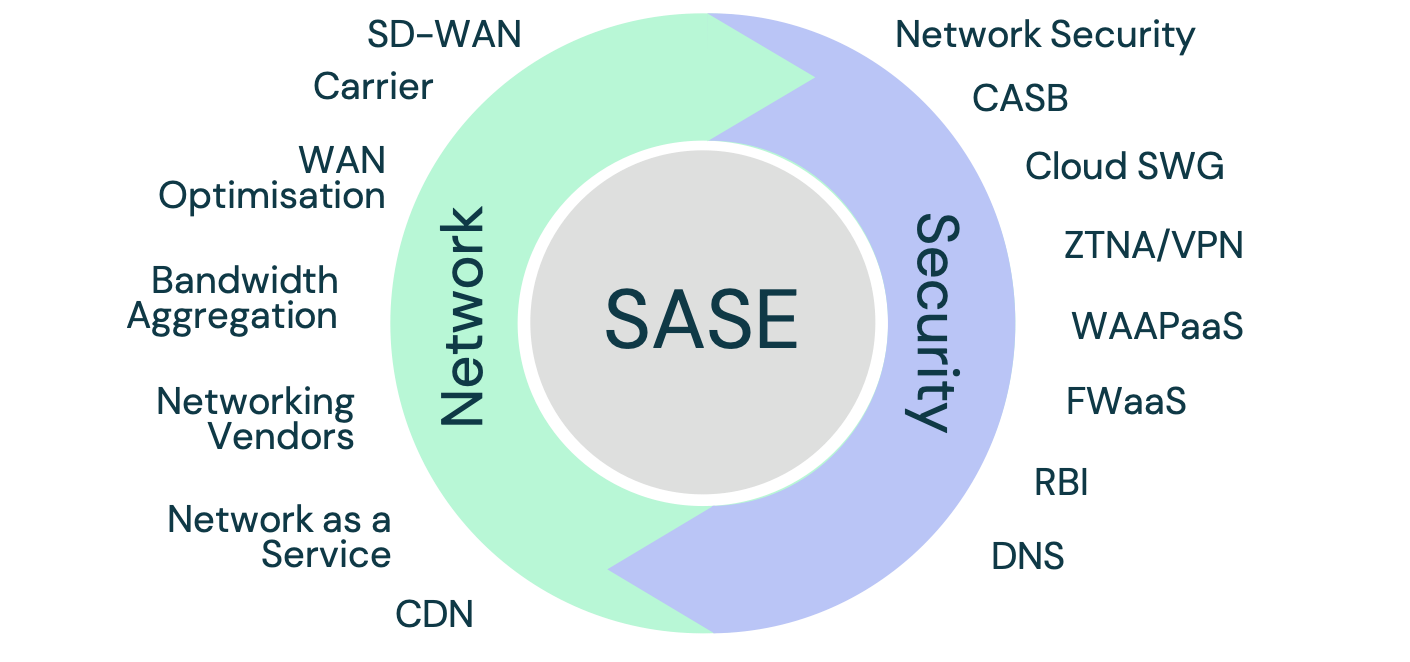
SASE represents an evolutionary step in the cybersecurity framework. The introduction of the concept marked a paradigm shift towards a more holistic approach that fundamentally changes how organizations secure their networks. SASE converges comprehensive WAN capabilities with various security functions to facilitate safe, fast, and reliable network access, irrespective of user location or device. This architecture is beautiful in a business world that embraces mobility, cloud services, and the Internet of Things (IoT).
History and Development of SASE
SASE, which stands for Secure Access Service Edge, was developed in response to the growing need for a more advanced cybersecurity model as enterprises struggled to keep up with the demands of digital transformation. SASE combines networking and security services that have gained global attention, including from major players like Fortinet China. With the rise of cloud computing and remote workforces, it became apparent that traditional network perimeters were no longer adequate. SASE was designed to allow users to securely access resources from anywhere in the world without being constrained by network boundaries.
The Components of a SASE Architecture
The strength of a SASE infrastructure lies in its unified purpose and design. It offers a combination of capabilities typically spread across multiple-point solutions. These capabilities include Software-Defined Wide Area Networking (SD-WAN) that strengthens connectivity, Cloud Access Security Brokers (CASBs) that mediate secure cloud application access, and Zero-Trust Network Access (ZTNA) that operates on a ‘never trust, always verify’ principle. Additionally, services like Firewalls as a Service (FWaaS) and secure web gateways are integrated to provide comprehensive security and network optimization in a single, streamlined package.
Benefits of Implementing SASE
The interchange of information across global networks comes with its risks. The SASE framework is tailored to mitigate these risks by introducing a cohesive and scalable security posture that envelops entire organizational operations. By converging networking and security into a cloud-native platform, SASE minimizes the need for a stack of single-purpose hardware, resulting in a noticeable decrease in IT complexity and cost. Moreover, it provides consistent security policies and protection across all access points, enabling businesses to pivot rapidly and safely into new markets or operational models.
SASE and Remote Work: A Perfect Pairing
One cannot overstate the synergy between remote work and the principles of SASE. The modern enterprise thrives on its ability to operate beyond the confines of physical offices, granting employees the freedom to collaborate and access resources from virtually anywhere. The SASE framework spectacularly supports this distributed work model, ensuring that the security perimeter extends seamlessly alongside the expanding corporate boundary. It represents a sea change in enabling mobile workers and branch offices while maintaining the integrity and confidentiality of corporate systems and data.
Potential Challenges and Considerations
The adoption of SASE comes with an array of challenges. Businesses may need help with the deconstruction of legacy systems and the integration of SASE’s modern components. Moreover, the transition to SASE may present organizational and cultural barriers as employees adjust to new security protocols and operating procedures. An area of particular concern can be policy management and enforcement, which requires meticulous planning to align with the company’s overall cybersecurity posture effectively.
The Future of SASE in Cybersecurity
The trajectory of SASE suggests its integration into cybersecurity will deepen over time. Its advantages align perfectly with the needs of a digital- and cloud-first world, where boundaries are porous and data flows are complex. Companies will increasingly look to SASE to solve the puzzle of securing their networks without sacrificing performance, fulfilling the dual promise of robust safeguarding mechanisms alongside user and application-centric networking.
SASE in Different Industries
As varied as the landscape of global industries might be, the essence of SASE’s appeal is its universality. Financial institutions, healthcare providers, and retail companies are just some sectors that stand to benefit from the security and agility SASE provides. Each industry has unique regulatory obligations and privacy concerns, and SASE’s flexibility ensures it can match industry-specific requirements while bolstering the corporate defense against cyber threats.
Guidelines for Businesses Considering SASE
A strategic approach is paramount for organizations looking to harness the potential of SASE. It involves an assessment of the current network and security infrastructure, identifying gaps, and clearly understanding how SASE can deliver value. It is vital to approach SASE not just as a technology shift but as a transformative journey that will call for changes in how security and network operations are conceived and managed.
Ultimately, SASE embodies a future-thinking cybersecurity model that addresses today’s challenges while paving the way for tomorrow’s opportunities. As such, companies must stay informed and prepared to adapt to this emerging paradigm to secure their operations in an increasingly interconnected and dangerous digital world.