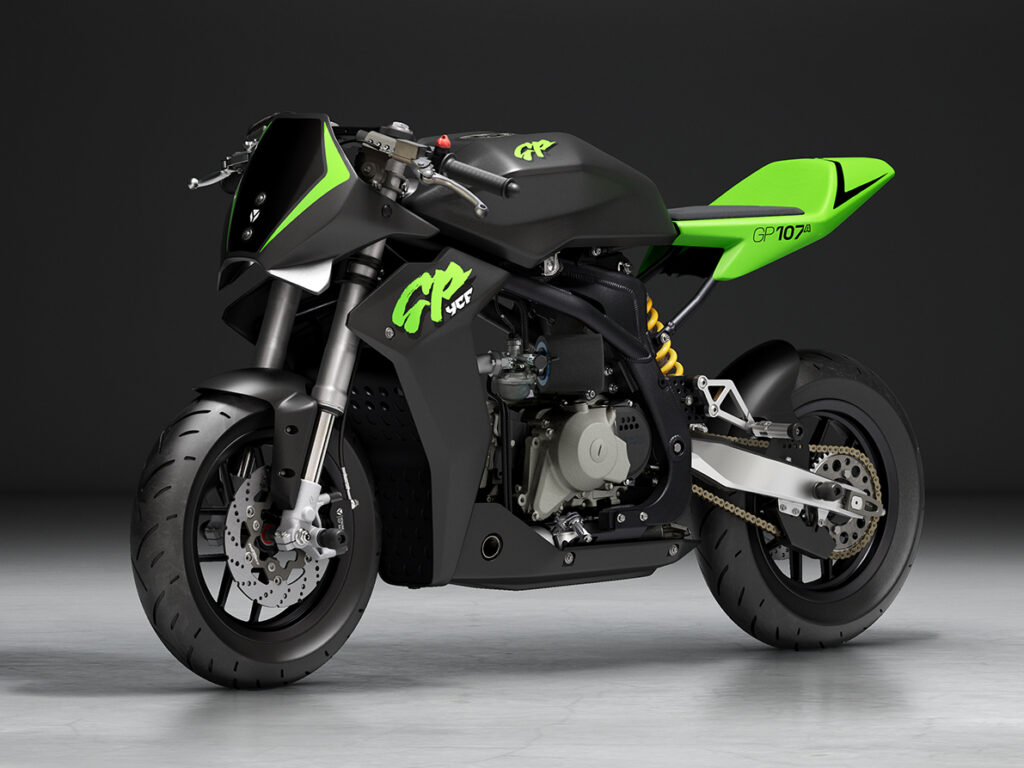
The YCF-GP-107 is a popular mini motorcycle known for its compact size, impressive performance, and user-friendly handling. However, for riders new to this bike or manual transmissions in general, learning how to shift gears efficiently can feel like a daunting task. This guide will provide a comprehensive overview of how to shift on the YCF-GP-107, with detailed instructions, tips, and troubleshooting advice.
Understanding the Basics of Shifting
Before diving into the specifics of the YCF-GP-107, it’s essential to understand how motorcycle gear shifting works.
What is Gear Shifting?
Gear shifting involves changing the transmission gear ratio to control the speed and power output of the engine. On the YCF-GP-107, this process requires the rider to use the clutch lever, foot shifter, and throttle.
Components Involved in Shifting
- Clutch Lever: Located on the left handlebar, it disconnects the engine power from the transmission when pulled.
- Foot Shifter: Positioned on the left side, it allows the rider to select gears.
- Throttle: On the right handlebar, it controls the engine’s power by regulating airflow.
- Gear Indicator: A helpful feature on the YCF-GP-107 that displays the current gear.
Gear Pattern of the YCF-GP-107
The YCF-GP-107 uses a sequential transmission with the following gear pattern:
- Neutral (N): Located between first and second gear.
- First Gear (1): Shift down from neutral.
- Second Gear (2) and Above: Shift up sequentially from first.
Step-by-Step Guide: How to Shift on YCF-GP-107
Mastering the gear-shifting process on the YCF-GP-107 requires practice and patience. Follow these steps for a smooth ride.
Starting from Neutral
- Turn On the Bike: Ensure the YCF-GP-107 is in neutral and start the engine.
- Check the Gear Indicator: Confirm the bike is in neutral by observing the gear indicator or gently rolling the bike forward and backward.
- Engage the Clutch: Pull the clutch lever completely to disconnect the engine power.
Shifting into First Gear
- Apply the Rear Brake: Keep the rear brake slightly engaged to prevent rolling.
- Push the Gear Shifter Down: Use your left foot to push the foot shifter downward into first gear.
- Release the Clutch Slowly: Gradually release the clutch lever while simultaneously applying a small amount of throttle.
- Start Moving: As the clutch fully engages, the bike will begin to move forward smoothly.
Shifting to Higher Gears
- Accelerate: Increase the throttle to build up speed.
- Engage the Clutch: Pull the clutch lever fully.
- Shift Up: Use your foot to lift the gear shifter upward to the next gear.
- Release the Clutch and Throttle Up: Slowly release the clutch while increasing throttle input.
Downshifting to Lower Gears
- Reduce Speed: Gradually decelerate using the brakes.
- Pull the Clutch Lever: Disconnect the engine power by pulling the clutch.
- Press the Gear Shifter Down: Use your foot to push the shifter downward to the desired lower gear.
- Rev-Match for Smooth Transition: Slightly increase throttle while releasing the clutch to match engine speed.
Tips for Efficient Shifting
Practice Makes Perfect
- Spend time in open spaces practicing shifting to familiarize yourself with the YCF-GP-107’s mechanics.
- Start with short rides before attempting complex maneuvers.
Timing is Key
- Avoid shifting gears too early or too late, as it can strain the engine.
- Listen to the engine’s RPM to determine the optimal shift points.
Smooth Clutch Control
- Release the clutch lever gradually to avoid stalling or jerking.
- Practice coordinating the clutch with throttle input.
Pay Attention to Maintenance
- Regularly check and maintain the clutch cable for smooth operation.
- Inspect the gear shifter mechanism for wear and tear.
Troubleshooting Common Shifting Problems
Stalling When Shifting
Cause: Releasing the clutch too quickly or insufficient throttle input.
Solution: Practice gradual clutch release and increase throttle smoothly.
Difficulty Engaging Neutral
Cause: Misalignment of the gear shifter.
Solution: Gently rock the bike while lightly tapping the shifter to find neutral.
Gear Slipping
Cause: Worn-out clutch plates or incorrect shifting technique.
Solution: Inspect and replace clutch plates if necessary; refine your shifting skills.
FAQs about How to Shift on YCF-GP-107
Is it hard to learn how to shift on the YCF-GP-107?
No, learning how to shift on the YCF-GP-107 is relatively straightforward with practice. The bike’s user-friendly design makes it an excellent choice for beginners.
What RPM should I shift at on the YCF-GP-107?
It depends on riding conditions, but generally, shifting between 5,000 and 7,000 RPM provides smooth transitions without over-revving the engine.
How do I know when to downshift?
Listen to the engine sound. If the engine feels like it’s struggling or the RPMs drop too low, it’s time to downshift.
Can I shift without using the clutch?
While it’s possible, it’s not recommended as it can cause excessive wear on the transmission components.
Why does the bike jerk during shifting?
This usually happens if the clutch is released too quickly or if there’s improper throttle input. Focus on smooth and controlled movements.
Conclusion
Learning how to shift on the YCF-GP-107 is an essential skill for maximizing your riding experience. By understanding the bike’s components, practicing regularly, and following proper shifting techniques, you’ll be able to ride confidently and efficiently. Remember, patience and consistent practice are key to mastering gear shifting on any motorcycle, especially the YCF-GP-107.