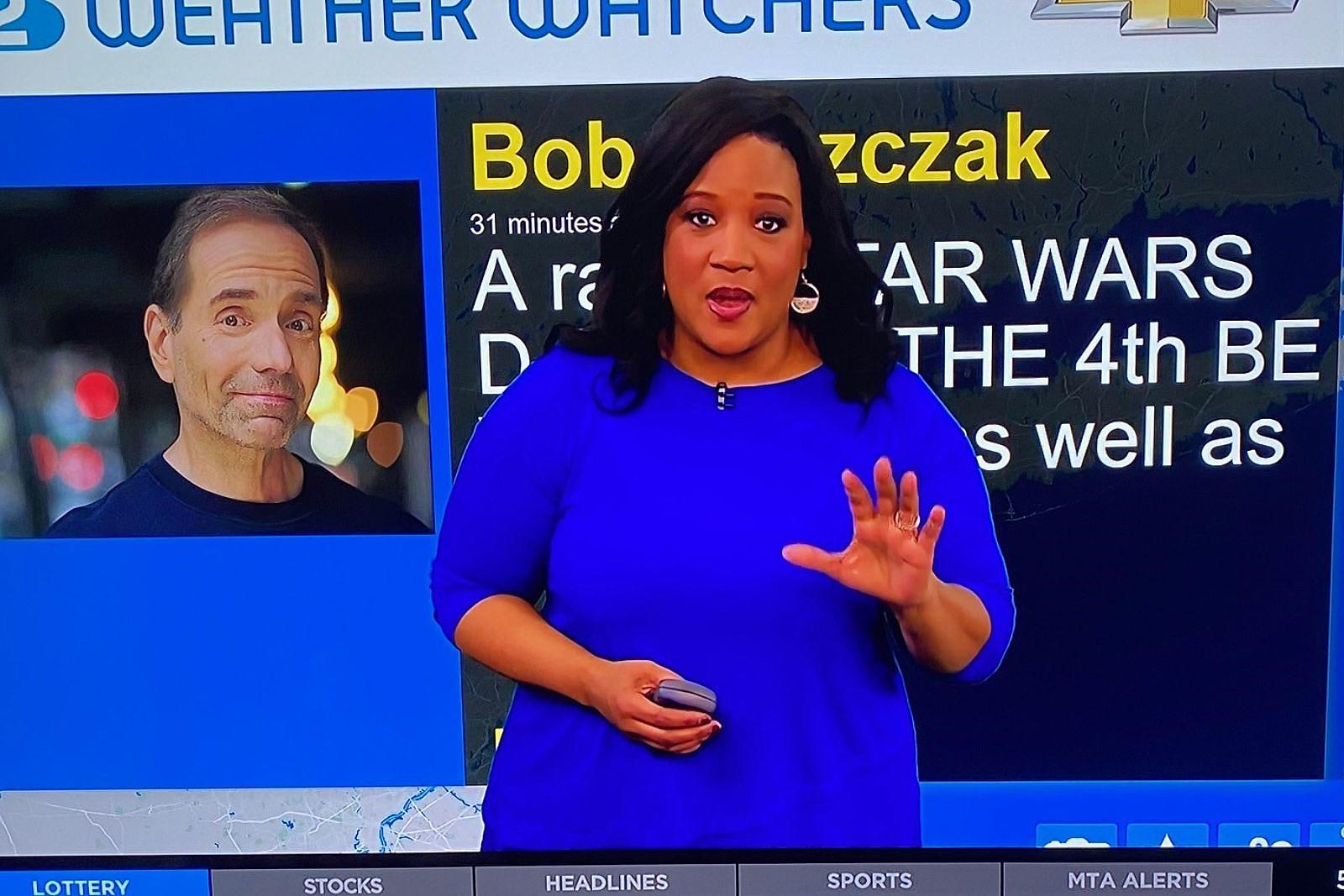
Elise Finch Cause of Death
Television journalism often brings stories of human triumph, community spirit, and weathering life’s storms. However, the unexpected loss of a beloved figure like Elise Finch, a long-time meteorologist for CBS New York, cast a sudden shadow over this narrative. With her untimely death on July 16, 2023, we were reminded that silent killers, such as cerebral aneurysms, can strike without warning and ripple through the lives they touch. This blog post dissects the heartbreaking loss of Elise Finch and the silent threat that took her from us.
The Sudden Departure of a Bright Forecast
Elise Finch was not just a familiar face delivering the weather daily but a steadfast presence in millions of living rooms. Her infectious smile, warm demeanor, and professional delivery endeared her to viewers across New York City. When news of her passing broke, the city and beyond mourned the loss of a person who had become a part of their daily routine, a guide through the social and meteorological atmospheres. Her departure left an irreplaceable void on the local news landscape.
Who Was Elise Finch, and Why Did Her Death Matter?
Elise Finch was a meteorologist by profession, but she was much more to many. Her dedication to her craft and community, uplifting presence, and commitment to accuracy made her a source of reassurance and authority. She joined CBS New York in 2007 and quickly became an integral part of the team, covering major weather events such as Superstorm Sandy and Hurricane Irene. Her passion for meteorology stemmed from her childhood fascination with severe thunderstorms and winter storms, a love she turned into a lifelong career.
Probing the Medical Mystery
While the initial reports of her passing mentioned a “sudden death,” subsequent details revealed the sobering medical diagnosis. Finch’s passing was attributed to a massive cerebral haemorrhage stemming from a ruptured brain aneurysm, a condition that often shows no symptoms and results in drastic, life-threatening events. In the days following her death, many were left wondering how a seemingly healthy and vibrant person like Elise Finch could be taken so abruptly.
The Danger of Silent Killers
Aneurysms are blood vessel abnormalities that can occur in any body part but most commonly affect the brain. They may develop without warning signs or symptoms and strike at any age, although they are most commonly seen in people over 40. When an aneurysm ruptures, it can cause severe bleeding in the brain and lead to a hemorrhagic stroke, often resulting in death or long-term disability.
What Is an Aneurysm, and What Are the Signs?
Aneurysms are often likened to time bombs, ticking silently in our bodies, waiting to rupture. The majority of people with cerebral aneurysms do not know they have them until a catastrophic event occurs. Understanding the signs and symptoms can be life-saving, especially for those at increased risk.
Who’s at Risk?
Various factors can increase a person’s risk of developing a brain aneurysm. Genetics, high blood pressure, smoking, and certain conditions are known risk factors. Unearthing these associations can empower individuals to take preventative measures and potentially avert a tragedy.
The Road to Recovery and Preventing the Next Tragedy
The call for awareness and action rings clear in the wake of Elise Finch’s passing. The medical community and those who knew and treasured Finch have been vocal about vigilance in identifying and treating aneurysms to prevent future losses.
Post-Diagnosis Treatment Options
For those who do discover they have an aneurysm, there are treatment options available. From monitoring the aneurysm’s growth to surgical interventions, medical science provides avenues to manage and mitigate the risk of rupture.
Lifestyle Changes and the Path to Prevention
Making healthy choices can significantly decrease the likelihood of an aneurysm developing or rupturing. From managing stress to quitting unhealthy habits, simple lifestyle changes can play a pivotal role in staving off these silent killers.
Remembering Elise Finch and the Legacy of Vigilance
Elise Finch will be remembered for her professional legacy and as a force for change, as her passing sparks conversations about brain health and vigilance. Her legacy is a call to action, a reminder that every life lost to such unexpected tragedies carries the seeds of awareness and prevention within it.
The Legacy of Vigilance
The outpouring of sentiment and shared stories following her death underscores the impact of Finch’s life and the resurgence of public interest in understanding and preventing aneurysms. Her legacy is in the knowledge gained and shared, which may save countless lives in the future.
Celebrating Her Life, Not Just Mourn Her Death
In our quest to understand her passing, we also celebrate Elise Finch’s life. Her legacy inspires not just to mourn but to act, to cherish life’s moments, and to take control of our health. Ultimately, this proactive engagement with our well-being might be her greatest gift to the world.
Conclusion: The Painful Echo of a Life Unfinished and the Call to Awareness
Elise Finch’s life and sudden departure are a wake-up call to the public and a poignant reminder of the fragility of our lives. By unravelling the mystery of her passing, we come one step closer to disarming the silent killers that claim too many lives too soon.
Her story isn’t just one of personal tragedy; it is a story of hope, inspiration, and a beacon that guides us towards a healthier, more informed society. We honour her by continuing the conversation she unwittingly started and by championing the cause of health and awareness. Rest in peace, Elise Finch, and may your legacy live on through those who dedicate their lives to educating and protecting others from silent threats like brain aneurysms.