Crafting a dissertation proposal can be a daunting task for many students. The proposal serves as a roadmap for the entire dissertation, outlining the research’s scope, objectives, and methodology. Often, students find themselves overwhelmed by the enormity of the task at hand. However, with strategic planning and effective time management, proposal help for dissertations can transform this challenging process into a manageable endeavor. In this article, we will explore practical tips to assist overwhelmed students in successfully navigating the intricacies of developing a dissertation proposal.
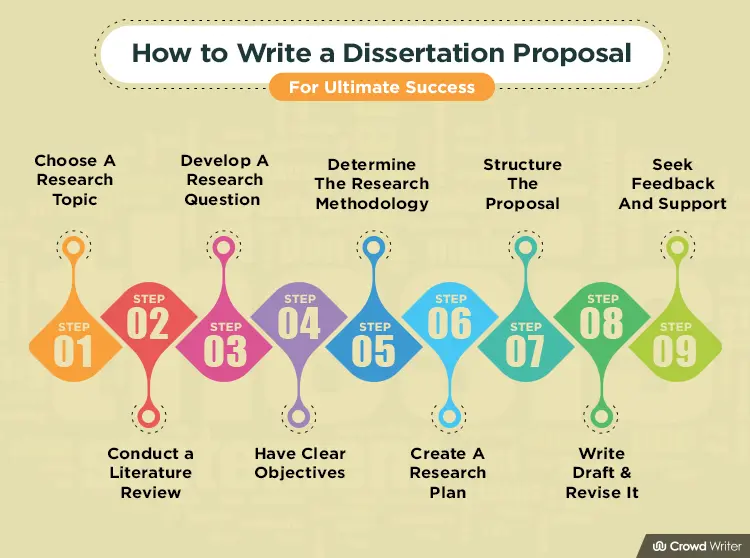
Define Your Research Question Clearly: The foundation of any successful dissertation proposal lies in a well-defined research question. Clearly articulate the problem or topic you intend to investigate. Avoid vague or overly broad questions, as they can lead to confusion and hinder the development of a focused proposal. A specific and concise research question will not only guide your proposal but also demonstrate to your committee that you have a clear direction for your research.
Conduct a Thorough Literature Review: Before diving into your proposal, take the time to conduct a comprehensive literature review. This step is crucial for understanding the existing research landscape, identifying gaps in knowledge, and positioning your study within the broader academic conversation. Summarize key findings, critique methodologies, and highlight areas where your research can contribute new insights. A well-informed literature review not only strengthens your proposal but also demonstrates your familiarity with the subject matter.
Craft a Thoughtful Research Methodology: The methodology section of your proposal outlines the approach you will take to answer your research question. Clearly describe your research design, sampling strategy, data collection methods, and data analysis techniques. Ensure that your chosen methodology aligns with the nature of your research question. Discuss the potential limitations of your chosen methods and propose strategies to mitigate them. A robust and well-thought-out methodology enhances the credibility of your proposal and lays the groundwork for the actual dissertation.
Create a Realistic Timeline: Time management is critical when working on a dissertation proposal. Break down the process into manageable tasks and create a realistic timeline for completion. Consider factors such as literature review, data collection, analysis, and writing. Allocate sufficient time for each stage, allowing for unexpected delays. Having a well-structured timeline not only helps you stay organized but also ensures that you can meet your proposal submission deadline without feeling overwhelmed.
Seek Regular Feedback from Advisors: Engage with your advisors early and often during the proposal development process. Share your research question, literature review, and methodology with them, seeking constructive feedback at each stage. Addressing concerns and incorporating suggestions as you progress will result in a stronger proposal. Regular communication with your advisors also helps build a supportive relationship, making the dissertation process less isolating and overwhelming.
Clarify Your Contribution to the Field: Clearly articulate the significance of your research and how it contributes to the existing body of knowledge. Define the unique insights your study offers and emphasize the potential impact of your findings. This not only demonstrates the relevance of your research but also convinces your committee of the importance of approving your proposal. Highlight the practical implications of your work and how it fills a gap in the current academic conversation.
Edit and Revise Diligently: The final tip for overwhelmed students is to allocate sufficient time for thorough editing and revision. As you review your proposal for clarity, coherence, and consistency, it’s essential to ensure that each section flows logically and contributes seamlessly to the overall argument. Eliminate unnecessary jargon, keeping your language clear and concise throughout. Seeking feedback from peers or utilizing writing centers can provide valuable perspectives on your proposal. You may also explore online resources, such as this insightful article on the best essay writing services in the UK, available at https://www.linkedin.com/pulse/best-essay-writing-services-uk-top-5-trusted-websites-mary-walton. A polished and well-edited proposal, influenced by diverse insights, not only reflects positively on your academic abilities but also sets the stage for a smoother dissertation writing process.
In conclusion, developing a dissertation proposal may seem like a daunting task, but with careful planning and attention to detail, overwhelmed students can navigate this process successfully. By defining a clear research question, conducting a thorough literature review, crafting a thoughtful methodology, creating a realistic timeline, seeking regular feedback, clarifying your contribution to the field, and diligently editing and revising, you can set yourself up for a successful dissertation journey. Remember, each step is a valuable component of your academic growth, and with the right approach, the dissertation proposal becomes a manageable and rewarding endeavor.