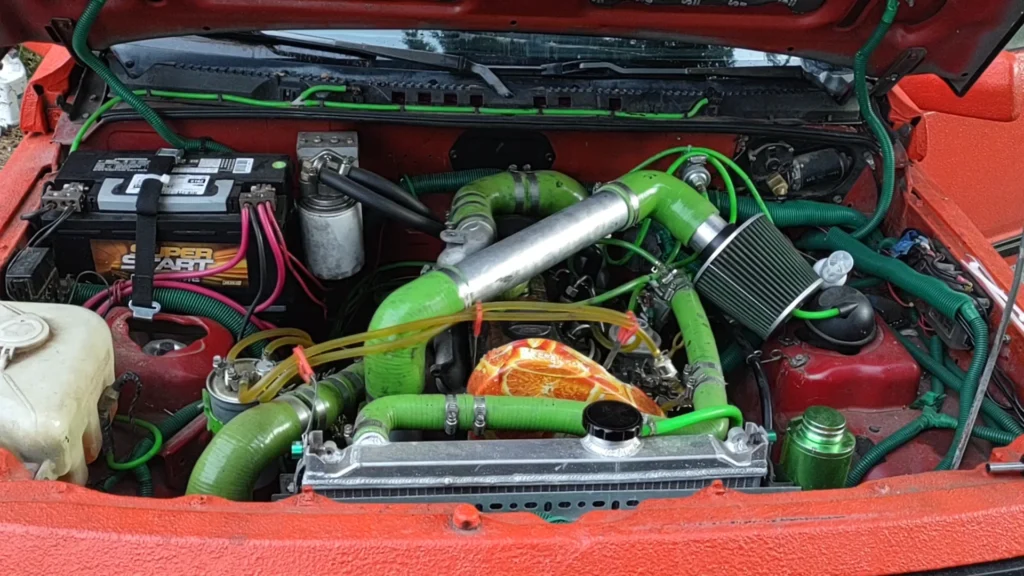
The 1990 Geo Tracker is a beloved compact SUV known for its lightweight build, off-road capabilities, and affordability. Over the years, many enthusiasts have sought to enhance its performance, and one of the most popular upgrades is swapping its stock engine with a 1.9 TDI engine. This article delves into the process, benefits, challenges, and everything else you need to know about the 1990 Geo Tracker 1.9 TDI swap.
Why Choose the 1.9 TDI Engine for the Geo Tracker?
The 1.9 TDI (Turbocharged Direct Injection) engine by Volkswagen is renowned for its reliability, fuel efficiency, and robust performance. Here’s why it’s an excellent choice for the Geo Tracker:
- Increased Power and Torque:
The 1.9 TDI engine provides significantly more power and torque than the Tracker’s original engine, making it a better performer both on and off the road. - Improved Fuel Economy:
TDI engines are known for their exceptional fuel efficiency, a great upgrade for long-distance travelers. - Turbocharged Performance:
The turbocharger in the TDI engine enhances acceleration and hill-climbing ability, making it perfect for rugged terrains. - Durability and Aftermarket Support:
The 1.9 TDI engine is well-supported in the aftermarket, with parts readily available and a wealth of resources for modifications.
Preparing for the 1990 Geo Tracker 1.9 TDI Swap
Before diving into the swap, preparation is crucial. Here’s what you need to consider:
1. Selecting the Right TDI Engine Variant
There are several versions of the 1.9 TDI engine, such as the ALH, AHU, and BEW. Each comes with specific pros and cons:
- ALH: Commonly used and widely available.
- AHU: Simpler design and easier to install.
- BEW: Offers more power but is slightly more complex.
2. Budget Planning
A 1990 Geo Tracker 1.9 TDI swap typically costs between $3,000 and $6,000, depending on:
- Engine availability
- Tools and parts required
- Professional labor fees, if applicable
3. Gathering Necessary Tools and Components
Here’s a checklist of essentials:
- 1.9 TDI engine
- Adapter plate for mating the engine to the Tracker’s transmission
- Custom engine mounts
- Wiring harness and ECU for the TDI engine
- Turbo piping and exhaust system
- Fuel system upgrades
- Radiator and cooling modifications
Step-by-Step Process for the 1990 Geo Tracker 1.9 TDI Swap
The 1990 Geo Tracker 1.9 TDI swap involves several technical steps. Here’s a breakdown:
Step 1: Removing the Original Engine
- Disconnect the battery and drain fluids.
- Remove the stock exhaust, intake, and wiring connections.
- Detach the engine from its mounts and carefully lift it out.
Step 2: Preparing the TDI Engine
- Inspect the 1.9 TDI engine for wear and tear. Replace any worn components.
- Install the required adapter plate for compatibility with the Tracker’s transmission.
- Modify the engine mounts to fit into the Tracker’s chassis.
Step 3: Installing the TDI Engine
- Carefully position the 1.9 TDI engine into the Tracker’s engine bay.
- Secure it with custom mounts and connect it to the transmission.
Step 4: Upgrading the Fuel System
- The TDI engine requires a high-pressure fuel pump.
- Replace the Tracker’s fuel lines and install a diesel-compatible tank if necessary.
Step 5: Electrical and ECU Integration
- Use the TDI engine’s wiring harness to connect sensors, injectors, and other components.
- Program the ECU for optimal performance.
Step 6: Cooling System Modifications
- Upgrade the radiator and add an intercooler to handle the increased heat from the turbocharged engine.
Step 7: Exhaust System Setup
- Install a custom exhaust system that accommodates the TDI engine’s turbo outlet.
Step 8: Testing and Fine-Tuning
- Double-check all connections and fluid levels.
- Start the engine and check for leaks or error codes.
- Test drive and tune the engine for optimal performance.
Benefits of the 1990 Geo Tracker 1.9 TDI Swap
- Enhanced Off-Road Capability:
With increased torque and power, the Tracker becomes more adept at tackling challenging terrains. - Better Fuel Efficiency:
Expect a noticeable improvement in miles per gallon (MPG), especially for highway driving. - Extended Lifespan:
The 1.9 TDI is a durable engine, capable of high mileage with proper maintenance.
Challenges and Considerations
While the swap offers numerous benefits, it’s not without challenges:
1. Compatibility Issues
Mating the TDI engine to the Tracker’s transmission may require precise machining and custom parts.
2. Wiring Complexity
Integrating the TDI’s electrical system with the Tracker can be challenging, especially for beginners.
3. Cost Overruns
Unexpected expenses, such as additional tools or parts, can strain your budget.
4. Legal and Emissions Compliance
Ensure the swap complies with local emissions regulations to avoid legal issues.
Maintenance Tips for a Swapped 1990 Geo Tracker
- Regular Oil Changes:
Use high-quality synthetic oil suitable for turbocharged diesel engines. - Cooling System Checkups:
Keep the radiator and intercooler clean and functioning optimally. - Monitor Turbo Health:
Regularly inspect the turbo for any signs of wear or damage. - Tune the ECU:
Periodically update the ECU settings for peak performance and efficiency.
FAQs About the 1990 Geo Tracker 1.9 TDI Swap
1. How much does a 1990 Geo Tracker 1.9 TDI swap cost?
The cost ranges from $3,000 to $6,000, depending on engine availability, custom parts, and whether professional labor is involved.
2. Is the 1.9 TDI engine reliable for off-road use?
Yes, the 1.9 TDI engine is highly reliable and provides excellent torque, making it suitable for off-road adventures.
3. Can I perform the swap myself?
If you have mechanical expertise and the necessary tools, you can perform the swap. However, beginners may need professional assistance.
4. Do I need to upgrade the suspension for the swap?
While not mandatory, upgrading the suspension can help handle the added weight of the TDI engine.
5. What are the emissions considerations for this swap?
Check local regulations to ensure the swap meets emissions standards. You may need to install additional components like a catalytic converter.
6. What fuel efficiency can I expect after the swap?
Post-swap, you can expect fuel efficiency of around 35–45 MPG, depending on driving conditions and tuning.
7. What are the most common challenges during the swap?
The most common challenges include wiring integration, transmission compatibility, and custom fabrication of mounts and adapters.
8. Can I use any version of the 1.9 TDI engine?
While most versions of the 1.9 TDI engine are compatible, the ALH and AHU variants are preferred for their simplicity and availability.
Conclusion
The 1990 Geo Tracker 1.9 TDI swap is a transformative upgrade for anyone looking to enhance the performance, efficiency, and durability of their vehicle. While the process requires careful planning, technical expertise, and a significant investment, the rewards are well worth it for off-road enthusiasts and adventurers. By following the guidelines and tips outlined in this article, you’ll be well on your way to enjoying a revamped Geo Tracker with unparalleled capabilities.