Introduction
When it comes to fly tying, selecting the right thread can significantly impact the durability, strength, and aesthetics of your flies. One common debate among fly tiers is “Veevus GSP Thread vs Regular Thread“—which one is better and why? This article will explore the differences between these two types of threads, their advantages and disadvantages, and when to use each. Whether you are a beginner or an experienced fly tier, this guide will help you make an informed decision.
What is Veevus GSP Thread?
Understanding GSP (Gel Spun Polyethylene) Thread
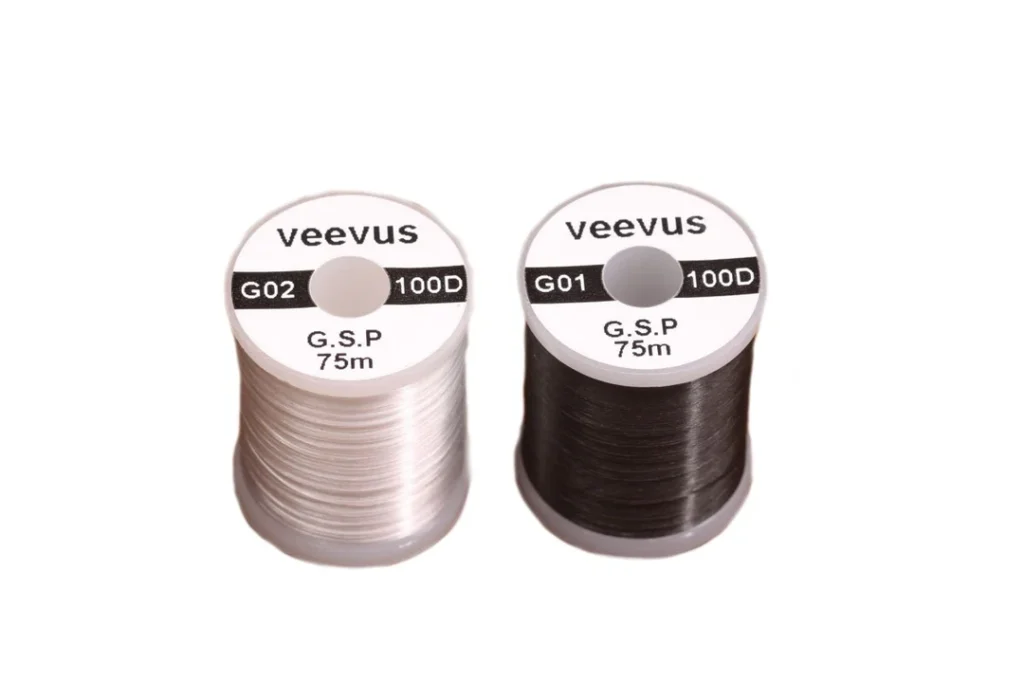
Veevus GSP (Gel Spun Polyethylene) thread is known for its exceptional strength-to-diameter ratio. Unlike traditional nylon or polyester threads, GSP threads are made from ultra-high-molecular-weight polyethylene fibers, making them incredibly strong yet lightweight.
Characteristics of Veevus GSP Thread
- High Strength: One of the strongest threads available, allowing for secure tying without adding bulk.
- Thin Diameter: Enables precise wrapping and smooth application without excessive buildup.
- Slippery Texture: The smooth texture can make it challenging to secure knots without proper thread control.
- Minimal Stretch: Offers superior control and tension consistency.
- Available in Various Sizes: Typically comes in sizes like 30D, 50D, 75D, and 100D, allowing flexibility in different fly patterns.
When to Use Veevus GSP Thread
- Tying Large Flies: Ideal for big game flies, streamers, and saltwater patterns.
- Working with Fragile Materials: Ensures delicate materials stay intact without breaking under pressure.
- Requiring Extra Durability: Perfect for flies that undergo extreme stress during fishing.
- Creating Small, Strong Flies: Allows for high-tensile strength even in tiny flies without bulk.
What is Regular Fly Tying Thread?
Types of Regular Fly Tying Thread
Regular threads are usually made from nylon, polyester, or a combination of both. These threads come in different deniers and strengths, depending on the brand and type.
1. Nylon Thread
- Soft and stretchable.
- Great for securing delicate materials.
- Available in a variety of colors.
2. Polyester Thread
- Less stretch than nylon.
- Stronger and more abrasion-resistant.
- Often used for medium to large flies.
3. Waxed vs. Unwaxed Thread
- Waxed Thread: Provides extra grip and holds materials in place.
- Unwaxed Thread: Smoother finish, suitable for certain fly patterns.
When to Use Regular Thread
- Dry Flies & Nymphs: Standard thread works well for dry flies and small nymphs.
- General Fly Tying: Ideal for everyday use when high strength isn’t a top priority.
- Working with Materials that Need More Grip: Waxed nylon or polyester helps secure materials better than GSP.
Veevus GSP Thread vs Regular Thread: Key Differences
| Feature | Veevus GSP Thread | Regular Thread |
|---|---|---|
| Strength | Exceptionally strong | Moderate to high strength |
| Diameter | Ultra-thin yet strong | Slightly bulkier per strength level |
| Stretch | Minimal stretch | Some stretch (especially nylon) |
| Grip | Slippery, requires extra technique | Grips materials better |
| Durability | Extremely durable | Durable but varies with type |
| Usage | Best for big flies, fragile materials, or saltwater | Great for general fly tying |
Pros and Cons of Veevus GSP Thread
Pros:
- Unmatched Strength: Holds materials securely without snapping.
- Low Profile: Does not add bulk to small flies.
- Water-Resistant: Does not absorb moisture, making it ideal for saltwater flies.
- Abrasion Resistant: Withstands rough use in challenging fishing conditions.
Cons:
- Slippery Texture: Can be tricky for beginners.
- Hard to Cut: Requires sharp scissors or a razor blade.
- Limited Color Variety: Fewer color options compared to regular thread.
Pros and Cons of Regular Fly Tying Thread
Pros:
- Easy to Work With: Great for beginners.
- Better Grip: Holds materials more effectively.
- Available in Many Colors: Offers more customization.
- Cost-Effective: Generally cheaper than GSP threads.
Cons:
- Less Strength: Can snap under heavy pressure.
- Absorbs Moisture: Some materials may weaken when wet.
- Not as Abrasion-Resistant: May wear down faster with heavy use.
How to Choose the Right Thread for Your Fly Tying Needs
When deciding between Veevus GSP Thread vs Regular Thread, consider the following factors:
- Type of Fly: If you are tying large saltwater flies, streamers, or durable patterns, Veevus GSP is ideal. For general dry flies and nymphs, a regular thread is sufficient.
- Material Grip: If you struggle with slippery materials, a waxed or polyester thread may work better.
- Durability Needs: If you want flies that last longer under tough conditions, GSP is the best option.
- Ease of Use: Beginners may find regular threads easier to work with.
- Cost Considerations: GSP threads are more expensive, so factor in your budget.
FAQs
1. Why is Veevus GSP thread so strong?
Veevus GSP thread is made from gel spun polyethylene fibers, which are incredibly strong for their diameter. This allows fly tiers to use thinner threads without sacrificing strength.
2. Can I use regular thread instead of Veevus GSP?
Yes, but it depends on the fly. For general patterns, regular thread works fine. However, for durability and strength in large or saltwater flies, GSP is preferred.
3. What is the best way to cut Veevus GSP thread?
A razor blade or ultra-sharp scissors work best, as standard scissors may struggle to cut through the strong fibers cleanly.
4. Does Veevus GSP thread absorb water?
No, GSP thread is hydrophobic and does not absorb moisture, making it excellent for saltwater flies.
5. Which thread is best for beginners?
Regular nylon or polyester thread is easier for beginners since it grips materials better and is more forgiving than the slippery GSP thread.
Conclusion
Choosing between Veevus GSP Thread vs Regular Thread ultimately depends on your specific fly tying needs. If you need maximum strength, minimal bulk, and durability, Veevus GSP is an excellent choice. However, if you prefer easier handling, better grip, and more color options, a regular thread will serve you well. By understanding the advantages and limitations of each, you can enhance your fly tying experience and create better flies for your fishing adventures.