The E4OD transmission is a four-speed automatic transmission commonly found in Ford trucks and vans from the late 1980s to early 2000s. One of the common error codes that can affect this transmission is Code 625, which indicates a problem with the Torque Converter Clutch (TCC) solenoid circuit. If you are facing issues with overdrive not engaging or experiencing rough shifting, it’s crucial to diagnose and fix the problem.
In this comprehensive guide, we will cover how to fix E4OD Code 625 in overdrive, explaining its causes, symptoms, troubleshooting steps, and preventive maintenance.
Understanding E4OD Code 625 in Overdrive
What Does E4OD Code 625 Mean?
When your vehicle’s Powertrain Control Module (PCM) detects an issue with the Torque Converter Clutch solenoid circuit, it triggers Code 625. The torque converter is responsible for efficiently transferring engine power to the transmission. A malfunctioning TCC solenoid can prevent the torque converter from locking up, leading to overheating, poor fuel economy, and erratic shifting.
Symptoms of E4OD Code 625
If your vehicle is experiencing E4OD Code 625, you may notice the following symptoms:
- Overdrive not engaging properly
- Transmission slipping when shifting gears
- Harsh or erratic shifting
- Increased transmission temperature
- Flashing Overdrive (O/D) light or Check Engine Light (CEL)
- Reduced fuel efficiency due to inefficient power transfer
Identifying these symptoms early can help you fix E4OD Code 625 in overdrive before it leads to costly transmission damage.
How to Fix E4OD Code 625 in Overdrive
Step 1: Diagnose the Issue
Before making any repairs, it is important to perform a thorough diagnosis to confirm the root cause of Code 625.
1.1 Scan for Trouble Codes
- Use an OBD-I or OBD-II scanner (depending on your vehicle) to retrieve any stored diagnostic trouble codes.
- Confirm that Code 625 is present.
- Check for any other related transmission codes that could indicate additional issues.
1.2 Check Transmission Fluid Condition
- Low or contaminated transmission fluid can cause solenoid issues.
- Inspect the fluid on the dipstick:
- If it is burnt or dark, replace it.
- If it contains metal shavings, this could indicate internal transmission damage.
- Always use Mercon ATF, as this is the recommended fluid for E4OD transmissions.
1.3 Inspect Wiring and Connectors
- Frayed or corroded wiring can disrupt the TCC solenoid function.
- Check the wiring harness near the transmission and PCM.
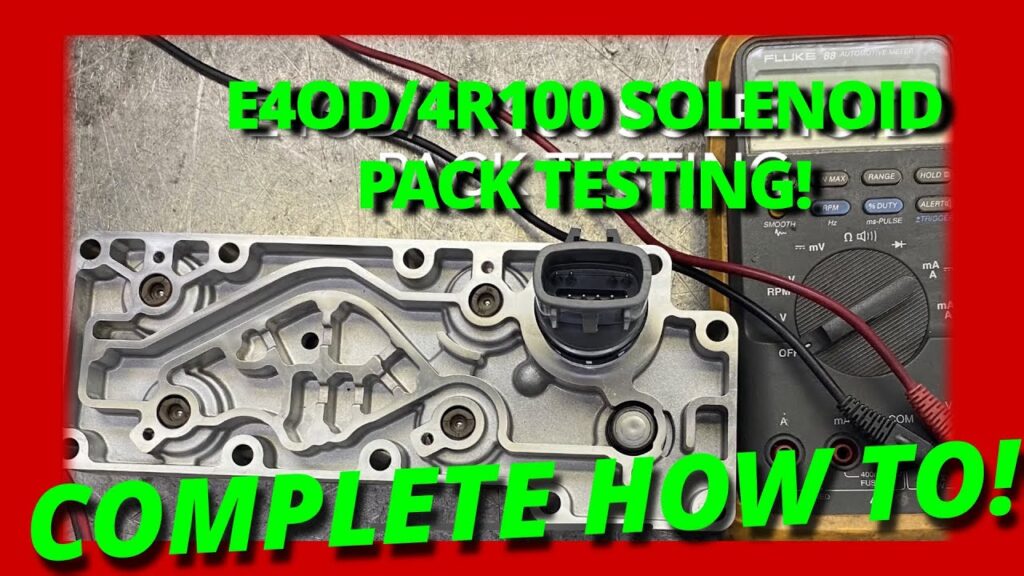
- Use a multimeter to check for proper voltage at the TCC solenoid.
1.4 Test the Torque Converter Clutch Solenoid
- Using a multimeter, test the solenoid resistance.
- Compare readings to factory specifications.
- If the solenoid is out of range, it must be replaced.
Step 2: Fixing the Issue
2.1 Replace the Torque Converter Clutch Solenoid
If diagnostics confirm a faulty TCC solenoid, follow these steps to replace it:
- Disconnect the Battery – Always disconnect the battery before working on electrical components.
- Locate the TCC Solenoid – It is found on the transmission valve body inside the transmission pan.
- Drain the Transmission Fluid – Remove the transmission pan to access the solenoid.
- Unplug and Remove the Old Solenoid – Use a wrench to remove mounting bolts and detach wiring.
- Install the New Solenoid – Secure it with bolts and reconnect wiring.
- Reassemble and Refill Fluid – Replace the transmission pan, refill with Mercon ATF, and check for leaks.
2.2 Repair or Replace Damaged Wiring
If damaged wiring is found:
- Splice or replace broken wires.
- Clean corroded connectors with electrical cleaner.
- Apply dielectric grease to prevent future corrosion.
2.3 Reset the Transmission Control Module (TCM)
After replacing the solenoid or repairing wiring, reset the Transmission Control Module (TCM):
- Disconnect the battery for at least 30 minutes.
- Reconnect the battery and start the vehicle.
- Drive at varying speeds to allow the transmission to relearn shift patterns.
Preventing Future E4OD Code 625 Issues
Perform Regular Transmission Maintenance
- Change transmission fluid every 30,000–50,000 miles.
- Inspect wiring and connectors for wear or corrosion.
- Avoid excessive towing or heavy loads that can cause overheating.
Install an Auxiliary Transmission Cooler
- Keeps transmission fluid temperatures within safe limits.
- Prevents overheating-related solenoid and clutch failures.
Use High-Quality Transmission Fluid
- Always use Mercon ATF for E4OD transmissions.
- Inferior fluids can cause premature transmission failure.
Frequently Asked Questions (FAQs)
1. What causes Code 625 in an E4OD transmission?
The most common causes include:
- Faulty Torque Converter Clutch solenoid
- Low or contaminated transmission fluid
- Damaged wiring or connectors
- PCM or TCM malfunctions
2. Can I drive with Code 625 in my E4OD transmission?
Driving with Code 625 is not recommended. A failing TCC solenoid can lead to:
- Transmission overheating
- Premature torque converter failure
- Shifting issues and poor fuel efficiency
3. How much does it cost to fix E4OD Code 625?
The cost of repair varies:
- TCC solenoid replacement: $100–$300
- Transmission fluid change: $100–$200
- Wiring repairs: $50–$200
- Transmission rebuild (if needed): $1,500 or more
4. How do I know if my TCC solenoid is bad?
Signs of a failing TCC solenoid include:
- Overdrive not engaging properly
- Erratic shifting or slipping gears
- Engine stalling at low speeds
- Transmission overheating
5. How do I reset my transmission after fixing Code 625?
To reset the Transmission Control Module (TCM):
- Disconnect the battery for 30 minutes.
- Reconnect and start the vehicle.
- Drive normally to allow the TCM to relearn shift points.
Conclusion
Knowing how to fix E4OD Code 625 in overdrive is essential for maintaining your Ford truck’s transmission performance. By following these diagnostic steps, replacing faulty components, and performing regular maintenance, you can restore smooth shifting and prevent further issues. If the problem persists, consulting a transmission specialist is recommended to avoid costly repairs.