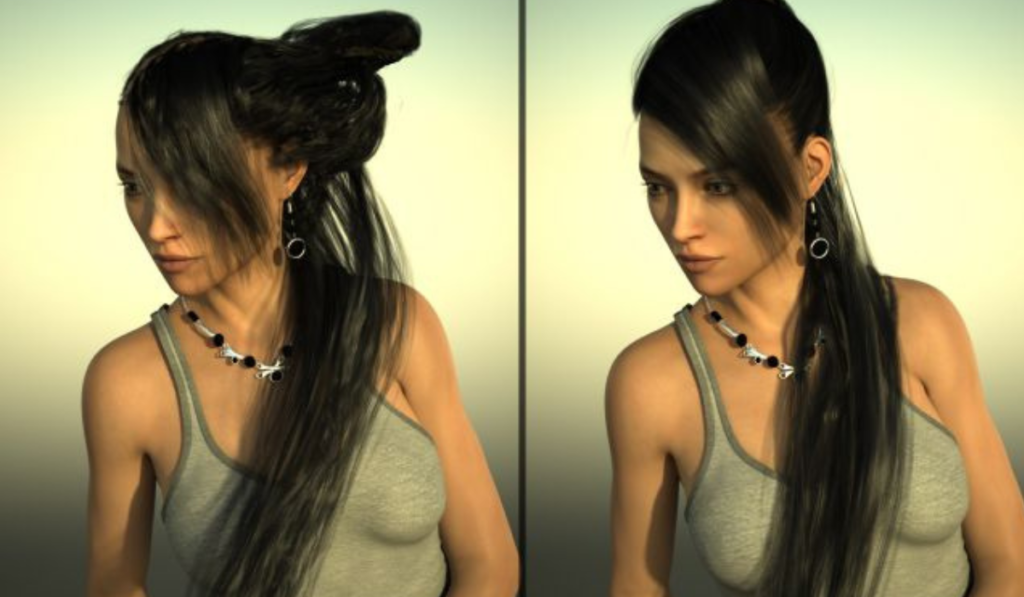
Dforce technology has revolutionized the world of digital simulations, offering artists and creators the ability to generate realistic cloth and material dynamics. In this guide, we will explore “ecvh0 dforce master how to“, diving deep into its features, applications, and step-by-step instructions to master it. Whether you’re a beginner or an experienced user, this comprehensive resource will provide the insights you need.
What is ECVH0 Dforce?
ECVH0 Dforce is a specialized framework or toolset designed to enhance simulation capabilities in digital platforms. It is often utilized in software that supports dforce technology, allowing users to simulate realistic behaviors for fabrics, hair, and other dynamic objects.
Key Features of ECVH0 Dforce
- Advanced Simulation Controls: Provides detailed parameters for customizing simulations.
- High-Performance Rendering: Optimized for quick and efficient calculations.
- Versatile Application: Supports a wide range of use cases, from clothing simulations to environmental effects.
- User-Friendly Interface: Designed for intuitive interaction, making it accessible to beginners and experts alike.
Why Use ECVH0 Dforce?
The ECVH0 Dforce system stands out due to its ability to create ultra-realistic results. Artists can:
- Bring characters to life with realistic clothing and accessories.
- Add depth and immersion to scenes with dynamic elements.
- Save time with automated processes while retaining creative control.
ECVH0 Dforce Master How To: Getting Started
Step 1: Setting Up the Environment
Before diving into the dforce master features, ensure your software environment is correctly configured:
- Install Necessary Plugins: Check that your software supports dforce simulations and install any required plugins.
- Update Graphics Drivers: A robust GPU is essential for seamless rendering.
- Load Your Scene: Import or create a scene where you plan to apply the dforce effects.
Step 2: Adding Dforce to Objects
To enable dforce on an object:
- Select the Object: Click on the object you want to make dynamic.
- Apply Dforce Modifier: Navigate to the dforce settings and apply the appropriate modifier.
- Adjust Parameters: Customize parameters like stretch resistance, bend resistance, and gravity influence.
Step 3: Testing the Simulation
Run a test simulation to see how the object behaves:
- Preview the Results: Use the preview mode to observe real-time dynamics.
- Make Adjustments: Tweak parameters if the results are not as desired.
- Finalize the Simulation: Once satisfied, bake the simulation for final rendering.
Advanced Techniques with ECVH0 Dforce
Using Dforce for Clothing Simulations
Clothing is one of the most common applications of dforce. Here’s how to achieve realistic results:
- Prepare the Garment: Ensure the clothing object is properly rigged and compatible with dforce.
- Set Collision Layers: Define collision layers to prevent interpenetration with the character.
- Simulate Wind and Movement: Add environmental factors like wind for a more dynamic look.
Creating Hair Simulations
Hair simulations can be challenging but rewarding with ECVH0 Dforce:
- Use Hair Strands: Apply dforce modifiers to individual hair strands or groups.
- Control Dynamics: Adjust stiffness and damping to achieve natural movements.
- Test in Animation: Run simulations in an animated sequence for accurate results.
Environmental Effects with Dforce
ECVH0 Dforce is not limited to character elements; it’s equally powerful for environmental effects:
- Flowing Fabrics: Use dforce to simulate curtains, flags, or other flowing materials.
- Dynamic Water Effects: While not directly fluid dynamics, dforce can mimic ripples and movement.
- Realistic Leaves and Grass: Add natural motion to outdoor scenes.
Common Issues and Solutions in ECVH0 Dforce
Issue 1: Object Penetration
Solution: Ensure collision layers are set correctly, and adjust the simulation iterations to improve accuracy.
Issue 2: Slow Performance
Solution: Reduce the simulation resolution or optimize object geometry.
Issue 3: Unexpected Behavior
Solution: Reset the dforce settings and reapply modifiers to the object.
Tips for Mastering ECVH0 Dforce
- Experiment with Parameters: Familiarize yourself with all settings by testing different values.
- Use Reference Materials: Study real-world examples to understand how fabrics and objects behave.
- Leverage Tutorials: Online resources and forums can provide valuable insights and techniques.
FAQs about ECVH0 Dforce Master How To
1. What is the purpose of ECVH0 Dforce?
ECVH0 Dforce is designed to simulate realistic dynamics for fabrics, hair, and other objects, enhancing the visual quality of digital creations.
2. How do I install ECVH0 Dforce?
Installation typically involves downloading the plugin or module from the developer’s site and integrating it into your preferred 3D software.
3. Can ECVH0 Dforce be used for animations?
Yes, ECVH0 Dforce excels in animations, providing realistic motion for dynamic objects.
4. How can I optimize dforce simulations?
Optimize by reducing object complexity, increasing GPU performance, and fine-tuning simulation settings.
5. Is ECVH0 Dforce suitable for beginners?
Absolutely. The user-friendly interface and abundant resources make it accessible to all skill levels.
6. What software supports ECVH0 Dforce?
It’s commonly used with 3D platforms like DAZ Studio and similar simulation-friendly applications.
7. Can I use ECVH0 Dforce for non-fabric objects?
Yes, dforce can be applied to a variety of objects, including hair, foliage, and more.
8. Why is my dforce simulation crashing?
This may occur due to insufficient system resources. Check memory and GPU utilization and adjust settings accordingly.
9. What are some alternatives to ECVH0 Dforce?
Alternatives include Blender’s Cloth Simulator, Marvelous Designer, and Houdini’s dynamic tools.
10. Can I combine ECVH0 Dforce with other simulation tools?
Yes, many creators blend dforce with other tools to achieve complex effects.
Conclusion
Mastering “ecvh0 dforce master how to” can elevate your digital creations to new heights. By understanding the basics, exploring advanced techniques, and troubleshooting common issues, you’ll unlock the full potential of this powerful tool. Whether for characters, environments, or animations, ECVH0 Dforce provides endless possibilities for realistic and dynamic simulations. Start experimenting today and see the difference it makes in your projects.