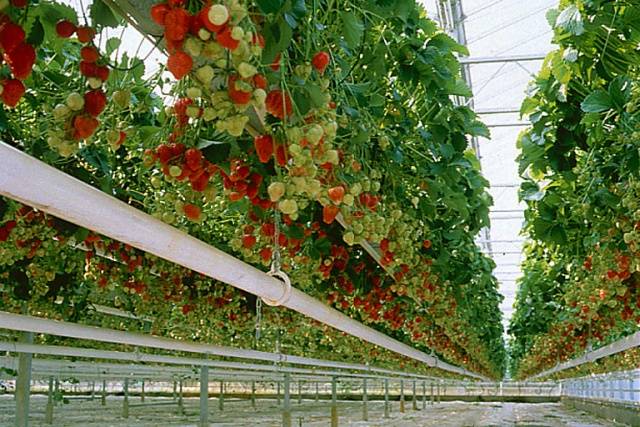
Strawberries, or “aardbeien,” are not only delicious but also highly rewarding to grow. With innovative gardening methods, such as cultivating strawberries in horizontal tubes (aardbeien kweken in horizontale buizen), you can optimize space, increase yield, and even add a modern touch to your garden or farm. This method is efficient, eco-friendly, and perfect for hobbyists and commercial growers alike.
Let’s dive into this exciting approach and uncover how to make your strawberry-growing venture a smashing success!
Why Choose Horizontal Tube Cultivation?
Efficient Use of Space
Growing strawberries in horizontal tubes maximizes space. Whether you have a backyard, a balcony, or a greenhouse, this method allows vertical stacking, ensuring no inch of space goes unused.
Improved Plant Health
By elevating the plants, you protect them from pests and soil-borne diseases. The controlled environment also ensures better air circulation, reducing the risk of fungal infections.
Eco-Friendly and Water-Saving
Using horizontal tubes integrates seamlessly with hydroponic systems. Water and nutrients are recirculated, drastically reducing waste compared to traditional soil-based gardening.
How to Get Started with Aardbeien Kweken in Horizontale Buizen
Materials You’ll Need
Before you start, gather these essential materials:
- Horizontal PVC or plastic tubes (diameter: 10–15 cm).
- Hydroponic nutrient solution or soil mix.
- Strawberry plants (young seedlings or runners).
- Drip irrigation system (optional but recommended).
- Tools: Drill, saw, and measuring tape.
Step-by-Step Process
Step 1: Prepare the Tubes
- Drill evenly spaced holes (5–10 cm apart) along the top of the tube. Ensure the holes are wide enough to accommodate the roots of the strawberry plants.
- Seal the ends of the tubes with caps, leaving space for drainage if using soil.
Step 2: Choose a Medium
- Hydroponic Setup: Fill the tube with nutrient-rich water that flows continuously.
- Soil-Based System: Use well-draining soil with compost for added nutrients.
Step 3: Plant the Strawberries
- Gently place the roots of your strawberry plants into the holes.
- Secure them lightly with additional soil or hydroponic medium.
Step 4: Set Up Irrigation
- Install a drip irrigation system to ensure even water distribution.
- In hydroponics, maintain a steady flow of water and nutrients.
Step 5: Monitor Growth
Keep an eye on your strawberries, ensuring they get enough sunlight, nutrients, and water. Adjust the pH level (ideal: 5.5–6.5) for optimal growth.
Best Practices for Aardbeien Kweken in Horizontale Buizen
Lighting Requirements
Strawberries need 6–8 hours of sunlight daily. If grown indoors or in a shaded area, consider using grow lights to supplement natural light.
Temperature and Humidity
Maintain a temperature between 15°C and 25°C. Strawberries thrive in moderate humidity but require good ventilation to prevent mold.
Fertilization Tips
Use a balanced fertilizer rich in nitrogen, phosphorus, and potassium. Apply as per the growth stage:
- Early Growth: High nitrogen.
- Flowering and Fruiting: More phosphorus and potassium.
Pruning and Maintenance
- Remove yellow or dead leaves regularly.
- Trim runners unless you plan to propagate new plants.
Common Challenges and Solutions
Pests
Problem: Aphids, spider mites, and slugs.
Solution: Use natural predators like ladybugs or organic sprays. Elevating plants also helps.
Diseases
Problem: Powdery mildew and root rot.
Solution: Ensure proper drainage and ventilation. Avoid overwatering.
Nutrient Deficiency
Problem: Yellowing leaves or poor fruiting.
Solution: Test nutrient levels and adjust the hydroponic solution or soil amendments accordingly.
Advantages of Aardbeien Kweken in Horizontale Buizen
1. Higher Yield
Strawberries grown in horizontal tubes often produce more fruit per plant due to the optimized growing conditions.
2. Cleaner Harvest
Fruits don’t touch the ground, making them cleaner and less prone to rot.
3. Aesthetic Appeal
The setup adds a modern, innovative look to gardens and farms.
FAQs About Aardbeien Kweken in Horizontale Buizen
1. What types of strawberries are best for horizontal tube cultivation?
Day-neutral varieties like Albion or Seascape are excellent choices. They produce fruit consistently throughout the growing season.
2. How often should I water the plants?
In a hydroponic setup, water flows continuously. For soil-based systems, water daily, ensuring the medium stays moist but not soggy.
3. Can I grow strawberries indoors?
Yes! Use grow lights to mimic natural sunlight and maintain suitable temperature and humidity levels.
4. What is the lifespan of a strawberry plant?
Strawberry plants are most productive for 2–3 years. Replace old plants to maintain high yields.
5. How do I prevent algae growth in hydroponic systems?
Cover exposed water areas to block light, and clean the system regularly to prevent algae buildup.
6. Do I need to pollinate the flowers manually?
If grown indoors, use a soft brush or fan to simulate natural pollination. Outdoors, bees and wind will do the job.
7. What is the ideal spacing between plants?
Maintain a gap of 5–10 cm between plants to allow proper air circulation and growth.
Conclusion
Aardbeien kweken in horizontale buizen is a modern and efficient way to grow strawberries, offering numerous benefits like space-saving, improved plant health, and higher yields. Whether you’re a hobbyist or a commercial farmer, this innovative technique can transform your gardening experience.
By following the steps and best practices outlined above, you’ll be on your way to a thriving strawberry harvest. So, grab your tubes, plant those seedlings, and watch your strawberry dreams come to life!