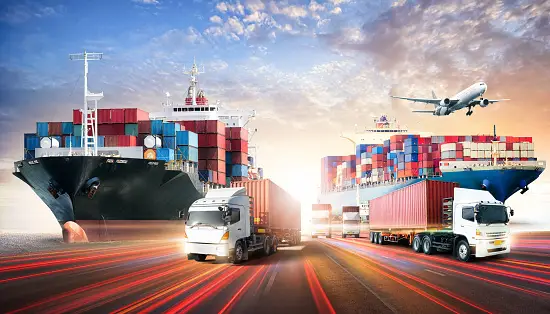
These days, many people are worried about making the car transportation industry greener. The act of moving cars around can cause problems for the environment. A few issues are pollution from the car’s exhaust and using up resources. Also, moving cars around may create waste. This blog will look at these challenges and provide solutions for making the car transport business greener. By knowing these issues, everyone involved in this business can help lessen harm to the environment.
Carbon Emissions from Vehicle Transport
The use of vehicles for transportation raises carbon emissions dramatically, which is bad for the environment. Fossil fuels are burned during vehicle transportation, releasing greenhouse gasses into the atmosphere along with carbon dioxide. These emissions fuel air pollution, climate change, and other environmental issues. Several tactics can be used to lower carbon emissions from vehicle transportation, and many companies in the car shipping industry are doing so.
This entails maximizing transportation routes to reduce fuel use and utilizing more fuel-efficient vehicles. Further reducing carbon emissions is the switch to alternate fuels like electricity or hydrogen. Additionally, boosting carpooling and public transit can help reduce the number of automobiles on the road, which in turn lowers overall carbon emissions. Reducing carbon emissions from the transportation sector can also be accomplished by enacting stronger vehicle emissions standards and laws.
Fuel Consumption and Energy Efficiency
Excessive fuel consumption poses a serious problem for vehicle transportation, increasing expenses and having an adverse effect on the environment. Moving vehicles frequently require a lot of gasoline, especially when traveling long distances. In order to minimize the impact on the environment and reduce fuel consumption, vehicle transportation must become more energy efficient.
This can be accomplished by developing more fuel-efficient engines and improving aerodynamics to lower drag, among other advances in vehicle technology. Furthermore, employing eco-driving practices—like keeping constant speeds and avoiding prolonged idling—can enhance fuel economy when traveling. Investing in alternative fuel technology, such as electric or hybrid cars, can also help promote energy efficiency and lower fuel use in the transportation industry.
Waste Generation and Environmental Impact
Vehicle relocation activities can generate significant amounts of waste, including packaging materials, fluids, and vehicle components. Inadequate handling of this can lead to harmful environmental effects, such as contaminated land and water. Throughout the vehicle relocation process, sustainable measures should be used to reduce trash output and environmental impact. This entails using recyclable or reused materials to reduce packaging waste and appropriately disposing of hazardous materials like batteries and fluids. In addition, encouraging the recycling and repurposing of car parts helps reduce waste production and save important resources. Reducing the environmental impact of vehicle relocation operations also requires implementing environmental management systems and following waste disposal regulations.
Resource Consumption and Conservation
During the relocation process, vehicle transport uses a lot of resources, such as energy, water, and materials. This resource usage causes the depletion of resources and the destruction of the ecosystem. It is important to decrease resource consumption and maximize their use in order to encourage resource conservation in vehicle transportation. This entails putting efficiency measures in place, like cutting down on energy use while transporting cars and making the most use of water when washing and maintaining them.
Moreover, encouraging the use of sustainable and renewable materials can lessen the negative environmental effects of vehicle relocation. Resource conservation can also be aided by investing in technologies like route planning software and vehicle tracking systems that make resource-efficient practices possible.
Transportation Infrastructure and Urban Congestion
Transportation infrastructure and urban congestion present another significant challenge in the vehicle relocation industry. Because poorly planned roads and highways can result in inefficiencies and higher carbon emissions, infrastructure has an impact on sustainability. Furthermore, urban congestion contributes to delays and higher fuel consumption during vehicle transport. The implementation of sustainable transportation infrastructure is crucial in mitigating environmental degradation and advancing relocation efficiency.
Investing in well-designed road networks, encouraging the use of public transit options, and putting traffic control measures in place to reduce urban congestion are some strategies to deal with this issue. The car relocation business can reduce its environmental impact and help create a more sustainable transportation system by putting sustainable infrastructure development first and solving urban congestion.
Conclusion
Tackling sustainability issues in the vehicle relocation sector is essential to reducing environmental damage and advancing sustainability over the long run. Stakeholders can create a more ecologically friendly vehicle transport system by prioritizing initiatives that lower carbon emissions, use less fuel, and save resources. To further minimize the sector’s ecological impact, sustainable methods that encourage resource conservation and waste reduction must be implemented.