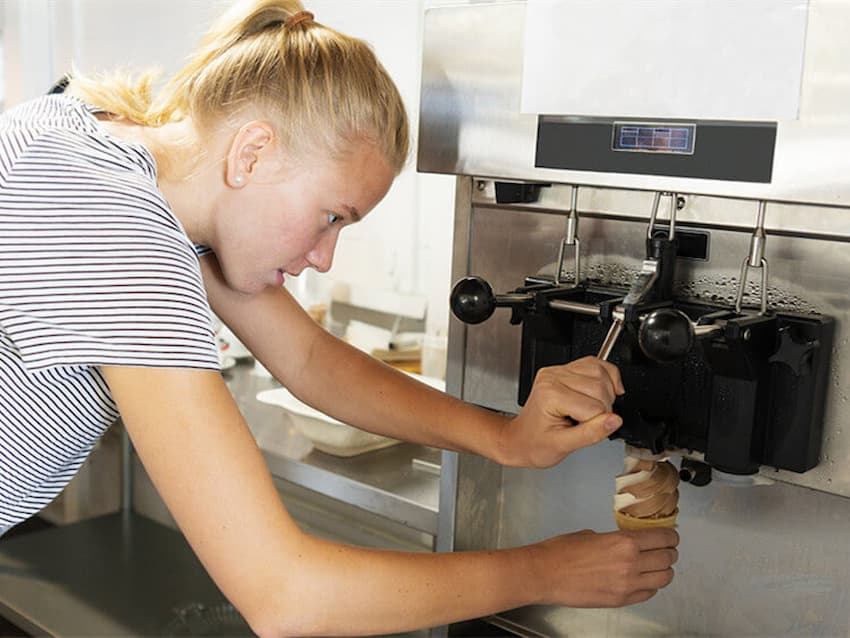
After every usage, clean your ice cream maker, whether it’s a professional or home model, to guarantee that the next batch you fill it with will be safe. Bacterial development is encouraged when sweet dairy mix, even a few droplets, is left inside your ice cream maker between usages. Take the necessary precautions to ensure a clean operation when using your machine to make a safe frozen dessert.
Even though eating ice cream is fun, cleaning and sanitizing frozen dessert equipment regularly is an irksome but essential task for food service businesses. Luckily, it’s not as hard as one may imagine to do this laborious operation. These guidelines ice cream equipment supplier for correctly cleaning your soft serve machine have been put together by us.
Empty
Open the machine as much as you can to let the freezing chamber empty of any leftover mix and let it drain. If some ice cream gets stuck and is beyond the reach of the churning blades, remove it with a plastic-gloved hand. Confirm there is enough room for water to flow through the entire machine.
Flush
Repeat the process as many times as necessary to get clear water to start coming out of your commercial or residential machine. Repeatedly run hot water that is at least 120 degrees Fahrenheit through the inner chamber of your ice cream machine. Combine dish soap with water that has been heated to a minimum of 140 degrees to create a hot, soapy water solution.
After pouring the solution in and closing the freezing chamber to contain water, program the machine to begin the wash cycle. Upon completion of the washing cycle, empty the machine. To remove the soap from the machine, run clean water through it.
Sanitize
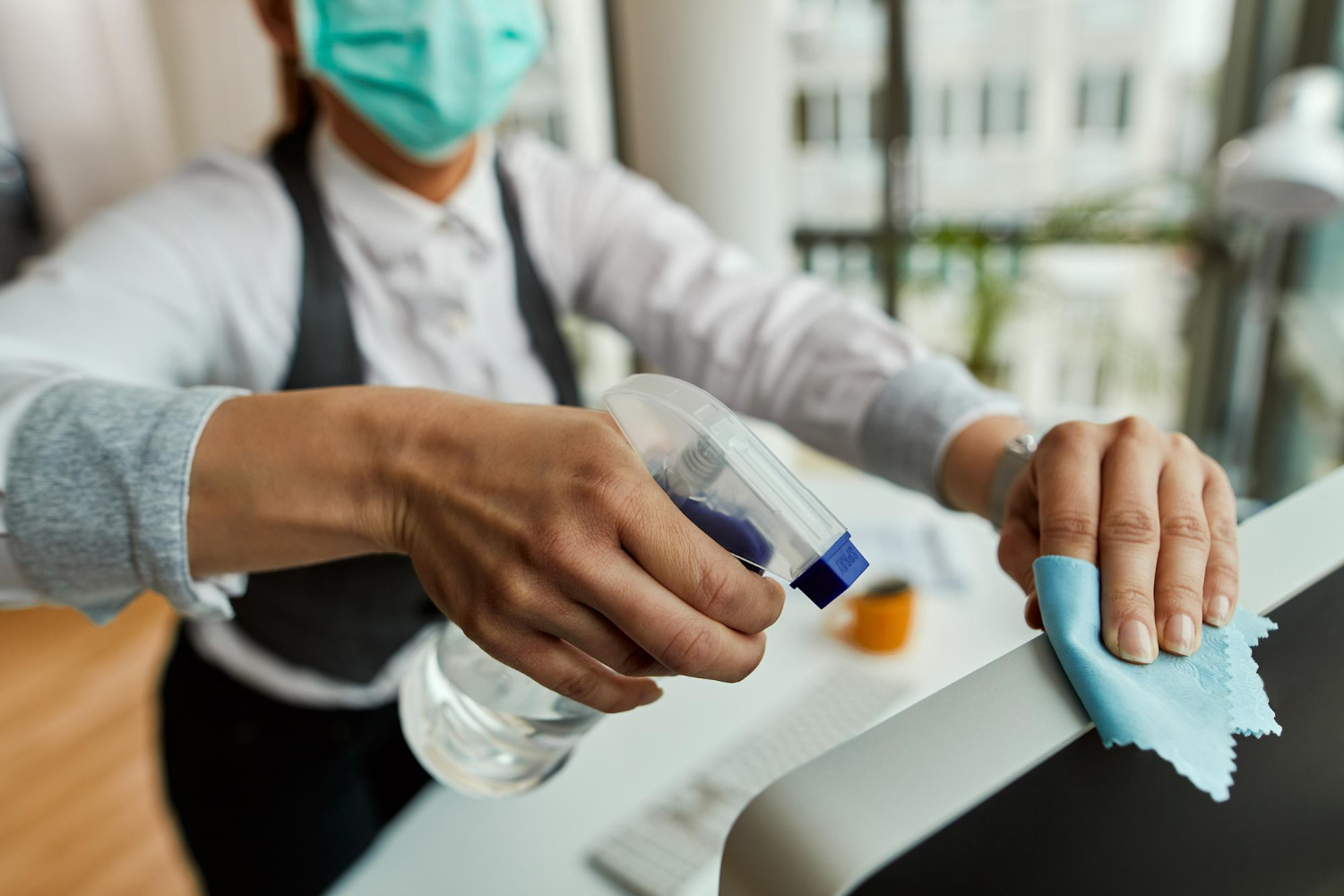
After combining the cleaning solution run the machine through the clean/wash cycle for at least one minute. You must sanitize the equipment before loading any product mix into the hopper for manufacturing. Pour your mix into the machine’s hoppers and pull out. A few ounces of product mix to eliminate any leftover cleaning solution once you’ve completely removed the cleaning solution from the system. At last, your product is ready to be frozen and served!
Parts to Soak and Scrub
Warm, soapy water should be added to the machine’s freezing chamber. A wash cycle setting is now commonly found on ice cream machines; use it if yours has one of them. If it doesn’t, cleaning all of the internal working parts is advised using a kitchen scrub brush with a handle. After using up all the soapy water, empty your machine and give it another flush with fresh, hot water to get rid of any remaining soap residue.
After that, put every component in a tub filled with more hot, soapy water. To eradicate any leftover bacteria, add a tablespoon or so of bleach, and then let the components soak for half an hour, or until the water has cooled. All components should be rinsed with fresh water and dried with fresh towels.
Reassemble:
Furthermore, use a clean, dry cloth to wash down the parts of your ice cream maker and then reassemble it following the manufacturer’s directions. Keeping the condenser coil clean is one of the other recommended maintenance practices for ice cream machines. Should there be an accumulation of oil and debris within the coil. You must apply a degreaser before cleaning the coil. Make cautious to shield the condenser fan motor and any other electrical parts. That could get sprayed when cleaning the coils on your industrial ice cream machine. Check to see whether there is any lint or dry dust accumulation on the coil. Washing it well with water is the best approach to cleaning that.
Additionally, check your ice cream maker by opening the side and rear panels. Ensure that the drive pulleys are precisely aligned and that the drive belts are in good condition and have been set to the proper tension. Parts such as O-rings, seals, gaskets, sleeves, bushings. And also beater blades that are safe for food use should be kept on hand as spares. It is necessary to replace these items every three to six months because they will eventually wear out.
Final Words
It is crucial to remember never to wash with running water or immerse the machine’s pan bottom in water. Rather, use a moist cloth to wipe and then completely dry. Steer clear of strong cleaners and abrasive sponges since they can harm the surfaces of machines. Maintaining the longevity and superior performance of your ice cream machine requires regular use and cleaning. You can produce great ice cream and maintain a clean and well-maintained machine by following these simple instructions.
Read Also: How to Start and Market Your Home-Based Ice Cream Business?