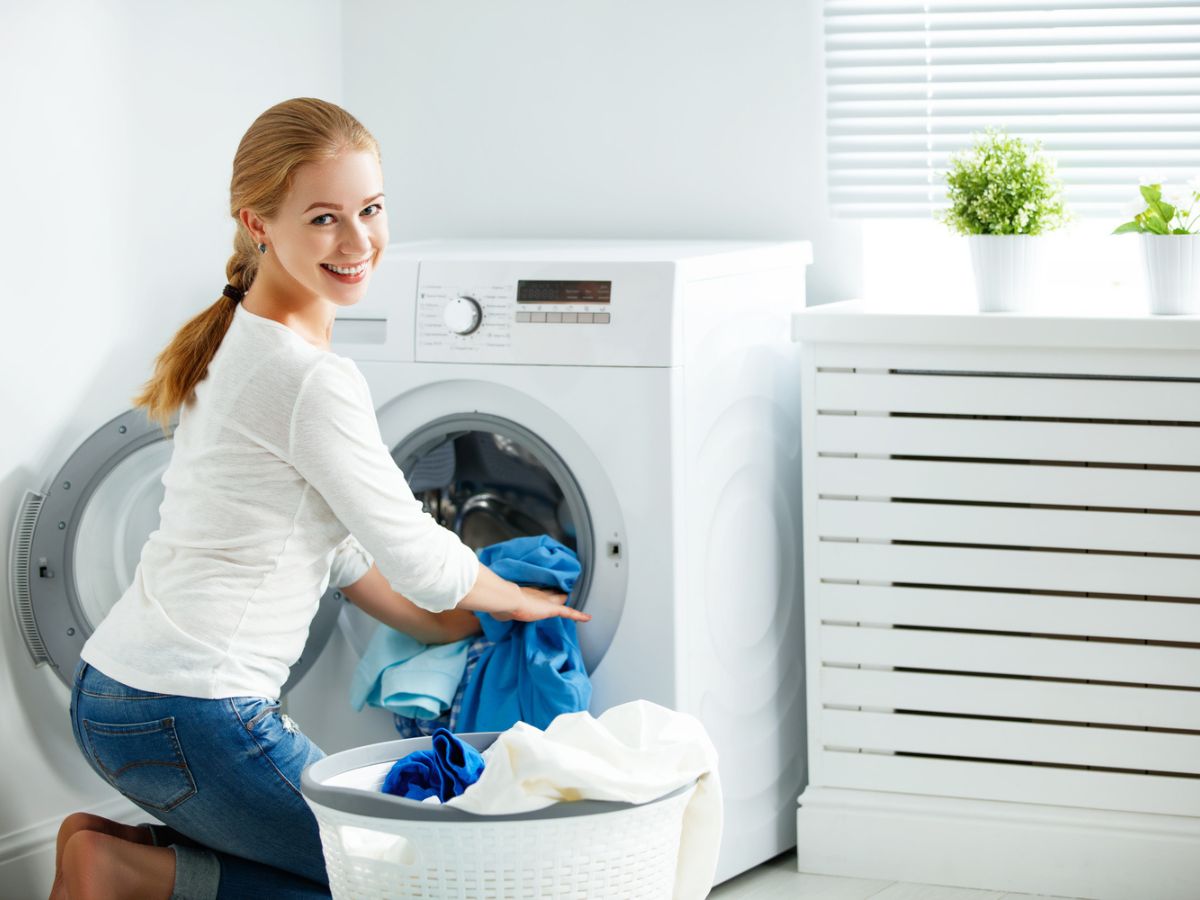
Hello! Maintaining the quality and longevity of our clothing is beneficial for our bank accounts and the planet, and no one cares more about the environment than T & A textiles hosiery products suppliers. In this message, I will be sharing simple yet effective tips to extend your clothes lifespan. These pointers are straightforward to implement and can lead to significant long-term results. So, let’s dive right in!
Read the Labels:
Every garment comes with a care label for a reason. These labels provide specific instructions on washing, drying, and ironing your clothes. Following these guidelines is the first step in ensuring your clothes last longer.
Sorting is Key:
Before throwing your garments into the washing machine, sort them. Separate light and dark colours, and wash delicate items separately. This prevents colour bleeding and damage to sensitive fabrics.
Gentle Washing:
Use gentle cycles and mild detergents, especially for delicate fabrics. Harsh detergents and vigorous washing cycles can break down fibres more quickly.
Cold Water Works Wonders:
Washing clothes in cold water preserves energy, prevents colours from fading, and reduces the likelihood of clothes shrinking.
Avoid Overloading the Washer:
Stuffing too many clothes in a washing machine can cause damage due to excessive friction. Clothes need room to move freely in the wash for effective cleaning.
Inside Out is the Way:
Turn clothes inside out before washing. This protects the outer surface from wear and tear and fading, especially for printed and dark-coloured garments.
Rethink the Dryer:
The dryer is convenient, but it can be harsh on clothes. Whenever possible, air-dry your clothes. If you must use a dryer, use a lower heat setting.
Iron with Care:
Ironing can be harsh on fabrics. Use the correct heat setting for different fabric types, and avoid ironing over buttons and zippers, as they can melt or damage the fabric.
Proper Storage:
Store clothes properly. Hang garments that need to retain their shape and fold the rest. Avoid using wire hangers for shirts, as they can distort the shape of the shoulders.
Mend and Repair:
Don’t discard clothes for minor damages. Learning basic sewing skills to mend tears, reattach buttons, or fix loose threads can significantly extend the life of a garment.
Spot Cleaning:
Spot cleaning can be more effective and less harsh than washing the entire garment for minor stains.
Use a Mesh Laundry Bag:
Using a mesh laundry bag during washing can prevent snagging and tangling for delicate items like lingerie and knitwear.
Reduce Washing Frequency:
Not every garment needs to be washed after every wear. Jeans, for example, can be worn several times before they need a wash.
Gentle Detergents and Fabric Conditioners:
Choose detergents and fabric conditioners that are gentle and designed for the type of fabrics you are washing.
Be Mindful of Pests:
For long-term storage, protect clothes from moths and other pests. Natural options like cedar balls can be a great alternative to chemical mothballs.
Avoid Harsh Chemicals:
Steer clear of bleaching agents unless necessary. Bleach can weaken fibres and cause yellowing over time. Instead, look for natural stain removal methods or gentler alternatives.
Brush Woolen Clothes:
Regularly brushing woollen clothes with a soft-bristled brush can keep them clean and reduce the need for frequent washing. This is especially helpful for coats and sweaters.
Dealing with Sweat Stains:
Pre-treat sweat stains before washing. Sweat can cause yellowing and weaken fibres. A pre-wash treatment with a gentle stain remover can make a big difference.
Use Fabric Refreshers:
Consider using a fabric refresher spray for clothes that aren’t dirty but need freshening up. This can extend the time between washes, especially for jackets and blazers.
Dry Flat Where Necessary:
Some garments, particularly knitwear, are best dried flat to maintain shape and prevent stretching. Always check the care label for specific drying instructions.
Gentle Hand Washing:
For extremely delicate items, hand washing is often the safest option. Use lukewarm water and a mild detergent, and be gentle to avoid stretching the fabric.
Avoid Direct Sunlight When Drying:
While air-drying is excellent, avoid leaving clothes in direct sunlight for too long, as UV rays can fade and weaken the fabric.
Quick Response to Spills:
Treat spills and stains immediately. “The longer a stain stays on the fabric, the tougher it becomes to remove it.” it could cause permanent damage to the fabric.
Seasonal Storage:
To effectively store clothing for different seasons, it’s crucial to maintain its cleanliness, dryness, and storage in a cool, dry environment. Using vacuum-sealed bags can help reduce the required space while protecting garments from dust and pests.
Conclusion
Proper maintenance techniques can significantly extend the lifespan of your clothing, saving you money and promoting a more eco-friendly lifestyle. This involves caring for your garments through proper washing, storage, and repairs. With extra effort and attention, you can keep your wardrobe looking its best for an extended period. So, why not try these practices and witness their positive impact on your closet and the environment?
Also, read: From Runway to Reality: How to Rock Branded Clothes with Confidence