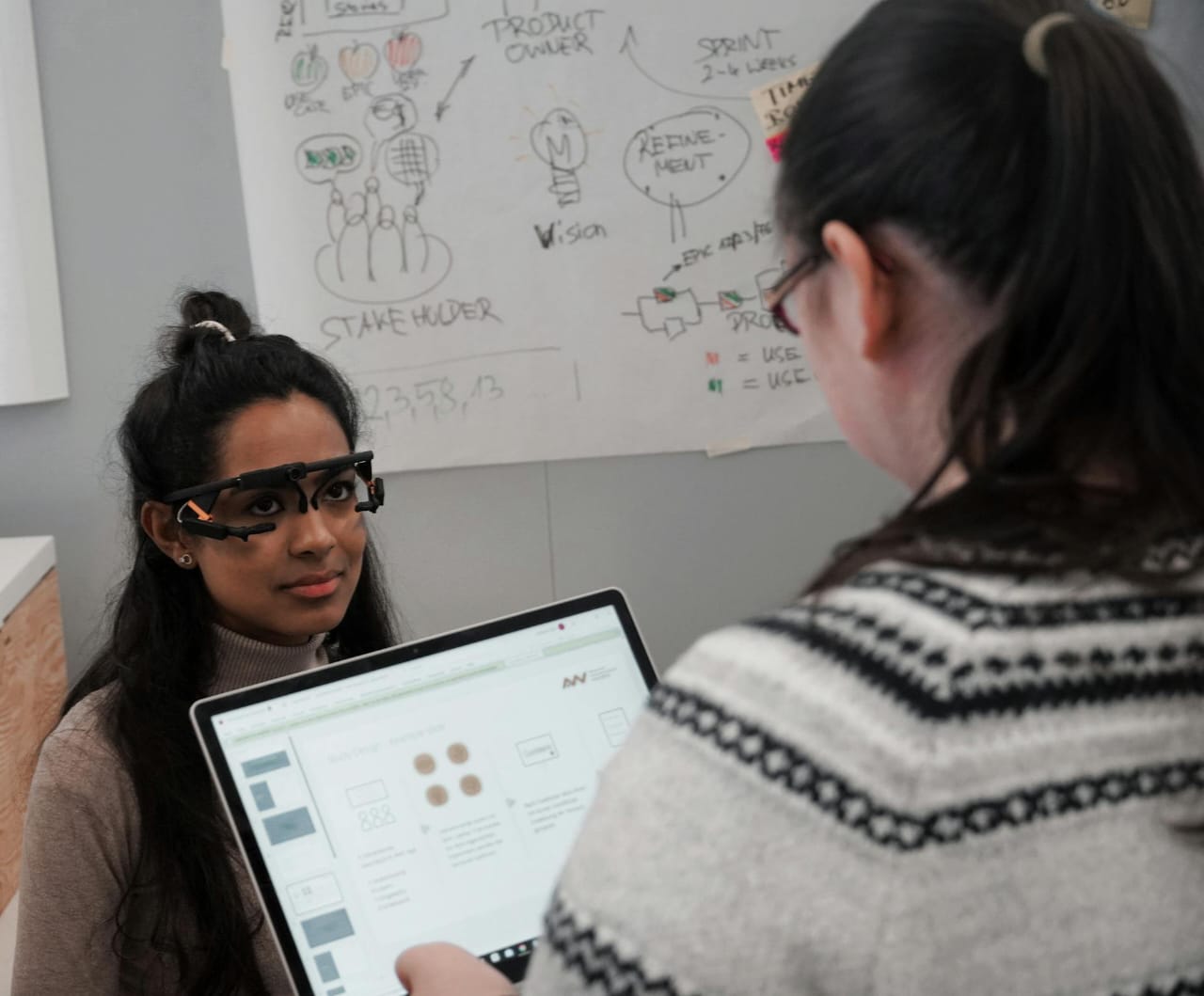
The digital age has ushered an overwhelming increase in screen time for children, from gaming and educational platforms to social media and video streaming. While these platforms offer undeniable benefits, they also bring potential risks to children’s eye health. With 80% of learning being visual, ensuring our little ones have good eye care habits from the start is non-negotiable.
Here are ten tips for parents to safeguard their children’s vision in the age of screens and beyond.
1. Be Diligent About Regular Eye Exams
Early detection is key in treating childhood vision problems. Schedule regular eye exams for your child, especially if there’s a family history of eye conditions. Remember, your child doesn’t have to be able to read to get their eyes checked. Eye exams for infants can be as simple as tracking a light or an object.
 2. Encourage Outdoor Play
Natural light is essential for eye development. Encourage your child to spend at least an hour a day outdoors. The contrast of natural light and the size of objects viewed in the distance are vital to children’s eye health and development.
3. The 20-20-20 Rule
Teach your child the 20-20-20 rule to combat screen time. After 20 minutes of looking at a screen, have them look at something 20 feet away for at least 20 seconds. This breaks the cycle of constant near focusing and relaxes the muscles inside the eye.
4. Proper Lighting is Essential
Ensure that your child’s study or play area is well-lit. Good lighting reduces eye strain. Avoid fluorescent lights and instead opt for warm LED lighting to minimize glare and harsh contrasts.
5. Limit Screen Time
The American Academy of Pediatrics recommends no screen time for children under 18 months, except when video chatting. For older children, it suggests a limit of one hour a day, especially high-energy visual games. Set a schedule and stick to it to help kids understand and accept the boundaries.
6. Encourage Healthy Eating
A balanced diet rich in nutrients like Omega-3 fatty acids, lutein, zinc, and vitamins C and E can help keep eyes healthy. Incorporate foods like salmon, tuna, eggs, nuts, oranges, and green leafy vegetables into your child’s diet.
7. Stay Hydrated
Dehydration can affect the eyes and the ability to focus. Ensure your child drinks plenty of water throughout the day, especially when spending significant time using digital devices.
8. Proper Posture While Using Devices
Positioning of the screen and distance between the eyes and the device matter. The ideal is to have the screen about an arm’s length away, slightly below eye level. Good posture and a supportive chair can also help prevent neck and shoulder strain, which can indirectly affect the eyes.
9. Safety First
Sports-related eye injuries are the leading cause of blindness in children in the United States, most of which are preventable. Always ensure your child wears appropriate protective eyewear during sports and recreational activities.
10. Look for Signs of Problems
Educate yourself on symptoms that may indicate a vision problem, such as sitting too close to the TV, squinting, rubbing the eyes frequently, or complaining of headaches. If you notice any of these, consult an eye care professional promptly.
Eye care for children isn’t a one-time event; it’s a daily practice and a lifestyle. By integrating these simple tips into your child’s routine, you can help them maintain good eye health and set them up for a life of clear vision and learning. After all, their eyes are the windows to the world; it’s our job to keep them clean and unobscured.