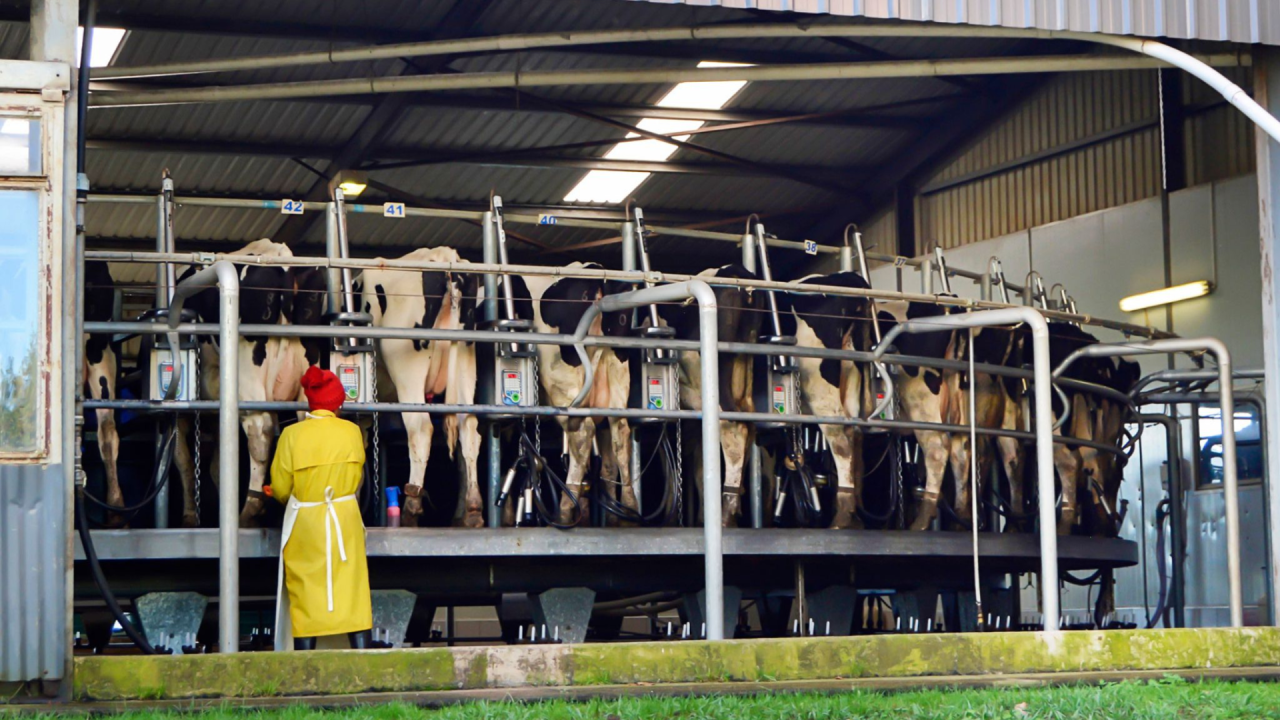
Sustainable farming practices play a crucial role in the dairy industry. They not only benefit the environment but also have significant economic impacts. By implementing sustainable practices, dairy farmers can reduce their environmental footprint, conserve natural resources, and improve animal welfare. Moreover, sustainable farming methods contribute to long-term profitability and help meet the increasing demand for ethically produced dairy products.
Challenges and opportunities for implementing sustainable practices
Implementing sustainable practices in the dairy industry comes with its own set of challenges and opportunities. One of the main challenges is the initial investment required for transitioning to sustainable methods. However, this can be offset by long-term cost savings and improved profitability. Another challenge is changing farmer behavior and mindset towards adopting new practices. On the other hand, implementing sustainability measures presents an opportunity for farmers to differentiate their products in a market increasingly focused on ethical and environmentally-friendly options. Overall, embracing sustainable farming practices in dairy operations brings both challenges and opportunities for farmers.pk.
Introduction to Machinery in Dairy Farming
Machinery plays a crucial role in modern dairy operations, revolutionizing the way farmers manage their farms. From automated milking systems to feeding equipment and manure management tools, machinery has significantly increased efficiency and productivity in milk production. It has also reduced manual labor and physical strain on farm workers. The economic and environmental impacts of using machinery in dairy farming are substantial, making it an essential component of sustainable practices. Utilizing Road train transportation, for example, can help with moving the relevant machinery to the areas they are needed, so that farming practices can continue with minimal disruption.
Role of machinery in modern dairy operations
Machinery plays a pivotal role in modern dairy operations, revolutionizing how farmers manage their farms. From automated milking systems to feeding equipment and manure management tools, machinery has significantly increased efficiency and productivity in milk production. It has also reduced manual labor and physical strain on farm workers, resulting in higher yields and improved animal welfare.
Economic and environmental impacts of using machinery
The use of machinery in dairy operations has both economic and environmental impacts. On the economic front, machinery increases efficiency, reduces labor costs, and improves overall productivity. It also allows for better resource management, leading to cost savings in areas such as feed and energy. In terms of the environment, modern machinery helps minimize waste and pollution while optimizing land use and water conservation efforts.
Implementing Sustainable Machinery Practices
Implementing sustainable machinery practices is crucial for the dairy industry to enhance efficiency and reduce environmental impact. By choosing energy-efficient machinery and integrating technology, dairy operations can optimize resource management and minimize waste. Addressing cost concerns through financial investment and providing training for sustainable machinery operation are key challenges that need to be overcome.
Choosing energy-efficient machinery for dairy operations
Choosing energy-efficient machinery is crucial for dairy operations to reduce environmental impact and optimize resource management. When selecting machinery, consider factors such as energy consumption, fuel efficiency, and emissions. Look for models with energy-saving features like variable speed drives and efficient motors. Investing in energy-efficient equipment not only benefits the environment but also lowers operating costs in the long run.
Integration of technology in sustainable dairy farming
The integration of technology in sustainable dairy farming has revolutionized the industry. Automated systems for feeding, milking, and waste management have increased efficiency and reduced labor requirements. Additionally, sensor technology allows for real-time monitoring of cow health and milk production, enabling early detection of diseases and improved overall herd management. By embracing these technological advancements, dairy farmers can enhance productivity while minimizing environmental impact.
Advantages of Using Machinery in Dairy Operations
The use of machinery in dairy operations brings numerous advantages. Firstly, it increases efficiency and productivity in milk production, allowing for a higher output with less manual labor. Secondly, it reduces the physical strain on farm workers by automating tasks such as feeding and milking. Additionally, machinery can contribute to improved animal welfare through technologies that monitor health and provide optimal living conditions. These benefits make machinery an essential tool for modern dairy farming.
Increased efficiency and productivity in milk production
One of the key advantages of using machinery in dairy operations is the significant increase in efficiency and productivity in milk production. With automated milking systems and feeding equipment, farmers can streamline their processes and achieve higher output with less manual labor. This not only saves time but also allows for better utilization of resources. By implementing machinery, farmers.pk helps dairy farms enhance their milk production capabilities efficiently and sustainably.
Reduction of manual labor and physical strain on farm workers
The use of machinery in dairy operations greatly reduces the need for manual labor, minimizing physical strain on farm workers. Automated systems handle tasks such as milking, feeding, and cleaning, freeing up time for farmers to focus on other important aspects of their operations. This not only improves efficiency but also enhances the well-being and safety of farm workers by reducing their physical workload.
Challenges and Solutions in Sustainable Machinery Implementation
Implementing sustainable machinery practices in dairy farming comes with its own set of challenges. One major hurdle is the cost associated with purchasing and maintaining modern machinery. However, farmers can overcome this challenge by exploring options such as leasing or financing equipment. Another challenge is ensuring that farm workers are properly trained to operate and maintain the machinery. Offering training programs and workshops can help address this issue, ensuring that farmers have the necessary skills to use sustainable machinery effectively.
Read more: Elevate Your Wardrobe with the Ultimate Men’s Fashion Brand
Conclusion
In conclusion, sustainable machinery practices offer numerous benefits for dairy operations. By choosing energy-efficient machinery and integrating technology, farmers can increase efficiency and productivity while reducing manual labor and physical strain. However, addressing cost concerns and providing training and education are crucial for successful implementation. With ongoing advancements in sustainable farming practices, the future looks promising for the use of machinery in dairy operations.