Digital Signatures
Table of Contents
- Understanding Digital Signatures
- Navigating the Legal Landscape of E-Signatures
- The Technical Side: How to Sign a PDF
- Choosing the Right E-Signature Tool
- Protecting Your Documents: E-Signature Safety Tips
- Efficiency and E-Signatures: Streamlining Your Workflow
- Authentication and Verification Processes
- International Use of Digital Signatures
- The Future of Digital Signatures
- Conclusion: Embracing the Digital Revolution
Key Takeaways
- Digital signatures are integral to secure and verifiable document handling in today’s digital landscape.
- Understanding the legal acceptance and framework of e-signatures is crucial for global business operations.
- Selecting a user-friendly and robust e-signature tool can significantly improve business efficiency and document security.
Understanding Digital Signatures
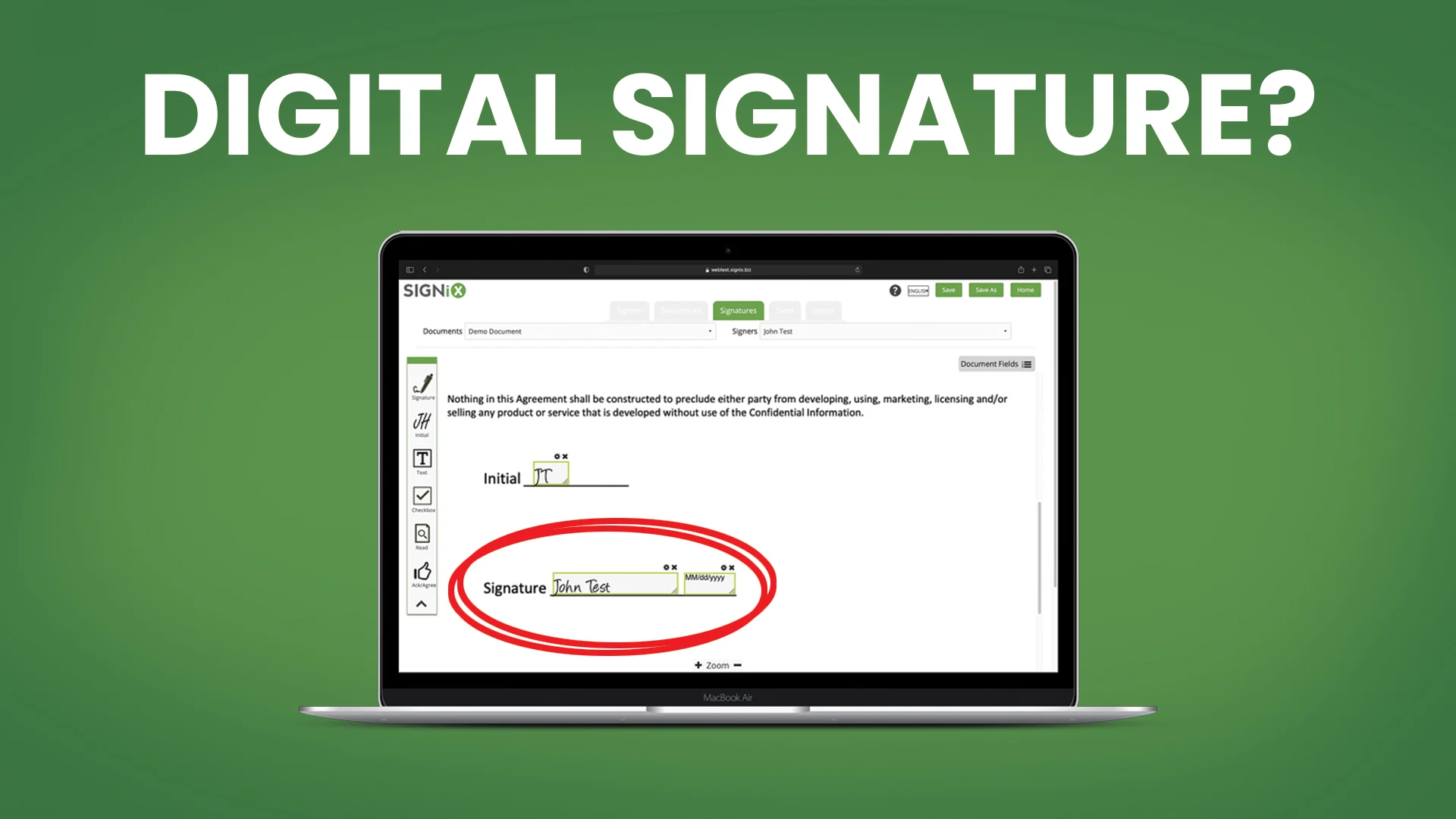
Digital signatures represent a formative advancement in document security and authenticity. Far beyond a simplistic image of a handwritten signature, these digital equivalents employ complex encryption methods, including public key infrastructure (PKI), to ensure its integrity and origin are verifiable once a document is signed. The digital signature binds an individual’s identity to the document, making it tamper-evident and creating an audit trail that can be crucial in legal and business scenarios. Across the globe, industries ranging from healthcare to finance are recognizing the efficiency and heightened security that digital signatures provide, which continues to catalyze the shift from paper-based systems to fully digital ones.
The Technical Side: How to Sign a PDF
A vital skill in the digital age is understanding how to add digital signature to PDF. The method typically involves using a digital signature service that verifies the signer’s identity, often through a digital certificate issued by a trusted certificate authority (CA). Once identity verification is complete, the signer is guided through a secure process that binds their digital signature to the PDF. Many such services provide additional useful features, like tracking changes and verifying the signatures after the document has been signed. There are also provisions for additional signatories, date stamps, and annotations to ensure the document’s signing meets all necessary stipulations of its intended use.
Navigating the Legal Landscape of E-Signatures
The legal robustness of digital signatures is a testament to their secure nature. Internationally, laws such as the ESIGN Act in the United States and the eIDAS regulation in the European Union confer the same legal standing as their handwritten counterparts to electronic signatures. These laws assure businesses and individuals that their digitally signed documents will be upheld in court, granting peace of mind when conducting transactions online.
Choosing the Right E-Signature Tool
The decision to implement an e-signature solution should be based on several factors, including security, usability, and integration capabilities. The choice between free services and paid subscriptions hinges on the specific needs and scale of the user. Freeware might suffice for basic needs, but high-volume transactions and enterprise operations may necessitate more robust solutions with enhanced security features. When selecting an e-signature tool, one should evaluate the levels of encryption, reliability, compliance with industry standards, the platform’s reputation, and customer feedback. It’s also advisable to look for services that offer a smooth user experience, including a clean interface and accessibility across various devices and operating systems.
Protecting Your Documents: E-Signature Safety Tips
When it comes to document security, utmost diligence is required. Choosing e-signature services that deploy robust encryption is imperative, making the signed PDF a stronghold of security, impervious to unauthorized alterations. Further, protective measures include using services that provide secure user authentication and ensuring that the digital signing process is conducted via secure, encrypted connections. After the signing process, it’s essential to maintain the document’s security through secure storage, ideally in a digital safe or encrypted repository, and to share it through secure channels with verifiable recipient identities. By adhering to these safety tips and following the best practices for digital document handling, organizations and individuals can robustly protect their signed PDFs against any digital security threats.
Efficiency and E-Signatures: Streamlining Your Workflow
Adopting digital signatures is not merely a matter of security; it also massively enhances operational efficiency. Replacing the manual printing, signing, scanning, and mailing cycle with a few clicks in a digital signing tool effectively streamline administrative procedures. This transition saves time and has a profound environmental impact by reducing paper consumption. It paves the way for a more sustainable approach to document handling. The digital signature also integrates seamlessly into modern document management systems, allowing for real-time tracking of signing processes and automatic notifications upon completion. This functionality facilitates improved document flow management and accountability in business operations.
Authentication and Verification Processes
The integrity of a digital signature hinges on the authenticity of the signer’s identity. This is typically achieved through multifaceted verification processes that include password prompts, biometric scans, and digital certificates. These certificates, often issued by a trusted CA, are akin to digital passports that unequivocally link the signer to their signature. Verification standards are continuously advancing in a bid to outpace potential threats.
International Use of Digital Signatures
The digital economy knows no borders, and as businesses become increasingly global, the use of digital signatures across jurisdictions becomes more relevant. International transactions often depend on the reliable and swift verification of documents, a need that digital signatures satisfy emphatically. Nevertheless, staying abreast of the legal considerations and technological requirements across different nations remains challenging. For multinational operations, it’s crucial to possess versatile tools and knowledge that cater to varied international standards and practices, ensuring that digital signatures maintain their intended legal and functional efficacy worldwide.
The Future of Digital Signatures
The ever-evolving world of technology holds promises of further enhancements to digital signatures. Advanced technologies like blockchain could redefine the fundamentals of document security, leading to more robust verification processes and potentially creating an immutable ledger for signed documents. Such innovations are set to streamline digital signature protocols further, providing individuals and businesses unprecedented levels of convenience and assurance. Anticipating the integration of emerging technologies enables entities to stay at the cutting edge of secure document handling and fosters adaptation to the dynamic landscape of digital transactions.
Conclusion: Embracing the Digital Revolution
As industry and society progress further into the digital era, embracing digital signatures is not merely convenient—it’s critical. This tool epitomizes the union of security and productivity that the digital age demands, engendering trust and enabling swifter transactions in many settings. Whether for small-scale personal agreements or large-scale international contracts, digital signatures are the answer to a world in which efficiency, security, and legality are paramount. The acceptance and utility of e-signatures continue their upward trajectory, rendering them indispensable in the toolkits of future-ready businesses and individuals.