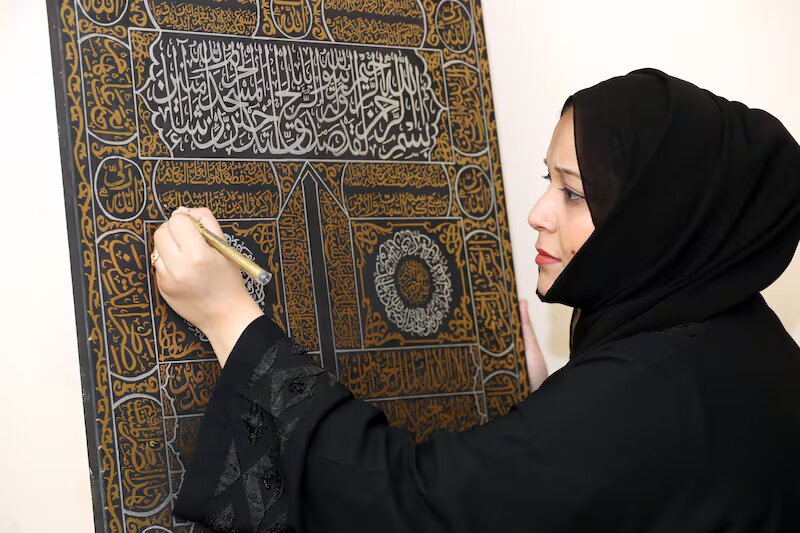
Introduction to Islamic Art in Pakistan
Islamic art in Pakistan encompasses a rich heritage that reflects the country’s deep Islamic roots. With a history dating back centuries, Pakistani art has been greatly influenced by Islamic architecture, particularly in the use of intricate patterns and calligraphy. Today, contemporary artists in Pakistan continue to incorporate Islamic art elements into their work, preserving and promoting this significant aspect of Pakistani culture. Platforms for showcasing Islamic art provide opportunities for both artists and art enthusiasts to appreciate and learn about this unique art form.
In conclusion, Islamic art in Pakistan holds immense cultural significance and is poised to evolve and flourish in the future. Moreover, Arts.com.pk is a prominent advocate for Islamic art in Pakistan, firmly dedicated to conserving and promoting this culturally enriching artistic legacy.
Introduction to Islamic art
Islamic art is a unique form of artistic expression that has its roots in the religion of Islam. It encompasses various art forms such as calligraphy, geometric patterns, and intricate designs. Islamic art is characterized by its emphasis on depth, symmetry, and repetition. It is deeply influenced by Islamic beliefs, traditions, and cultural practices. This art form holds immense cultural and historical significance and continues to be celebrated and appreciated worldwide. Islamic art in Pakistan is a testament to the country’s rich cultural heritage and its deep connection with Islamic traditions.
History of Islamic art in Pakistan
Islamic art has a rich history in Pakistan, deeply rooted in the country’s Islamic heritage. It dates back to the arrival of Islam in the region during the 8th century. Over the centuries, various dynasties and empires, such as the Mughals and the Ghaznavids, played a significant role in shaping and promoting Islamic art in Pakistan. The architectural marvels, such as the Badshahi Mosque and the Shalimar Gardens, are testament to the intricate and exquisite Islamic art forms that have flourished in Pakistan throughout history.
These historical landmarks continue to inspire and influence contemporary Islamic art in Pakistan. As well as, For more details about art click here.
Influence of Islamic Architecture in Pakistani Art
The influence of Islamic architecture on Pakistani art is undeniable. The intricate designs and patterns found in Islamic architecture have made their way into various art forms in Pakistan. The geometrical motifs, arabesque patterns, and calligraphy seen in mosques and historical buildings have inspired artists to incorporate these elements into their artworks. This fusion of architectural designs and art has created a unique artistic identity in Pakistan, showcasing the rich Islamic heritage of the country.
Influence of architectural designs
The architectural designs of Islamic buildings in Pakistan have had a profound influence on the art produced in the country. The intricate details and geometric patterns found in mosques and historical structures have inspired artists to incorporate these elements into their own works. The symmetrical layouts and use of calligraphy in architectural designs have been translated into paintings, sculptures, and other forms of art. By integrating architectural designs into their artwork, Pakistani artists have created a unique artistic identity that showcases the rich heritage of Islamic art in Pakistan.
Intricate details in Islamic art patterns
Islamic art in Pakistan is characterized by its intricate and elaborate patterns. These patterns, often created using geometric shapes and intricate calligraphy, are meticulously crafted to create stunning visual effects. The attention to detail in Islamic art patterns reflects the patience and skill of the artists. Whether it is the interlocking designs found in tile work or the delicate motifs in woodwork, each pattern tells a story and adds depth to the artwork. The precision and intricacy of these patterns make Islamic art in Pakistan truly remarkable.
Traditional Islamic Art Forms in Pakistan
Traditional Islamic art forms in Pakistan encompass a range of artistic expressions that have been passed down through generations. Calligraphy holds a significant place in Islamic art, with skilled artisans using delicate strokes to transform words into beautiful works of art. Geometric patterns are another hallmark of Pakistani Islamic art, with intricate designs adorning architecture, ceramics, and textiles. These art forms reflect the rich cultural heritage of Pakistan and showcase the mastery of artisans in blending Islamic aesthetics with local traditions.
Calligraphy and its significance
Calligraphy holds a significant place in Islamic art in Pakistan. Skilled artisans use delicate strokes to transform words into beautiful works of art. Calligraphy is highly revered in Islamic culture as it represents a connection to the divine through the written word. It is a form of visual expression that showcases the beauty and precision of the Arabic script. Calligraphy is often seen in Quranic verses, religious texts, as well as in decorative elements of architecture, ceramics, and textiles. Its significance lies in its ability to convey spiritual messages and create a sense of harmony and beauty in Islamic art in Pakistan.
Geometric patterns in Pakistani art
Geometric patterns play a significant role in Pakistani art, particularly in Islamic art. These intricate designs are often seen in architecture, textiles, and pottery. The repetition of geometric shapes such as squares, triangles, and circles creates a sense of harmony and balance. These patterns symbolize the order and structure of the universe, reflecting the deep spiritual beliefs of the Islamic culture. Geometric patterns in Pakistani art are not only visually captivating but also hold symbolic meanings, making them a distinctive feature of Islamic art in Pakistan.
Contemporary Interpretations of Islamic Art in Pakistan
Contemporary interpretations of Islamic art in Pakistan have seen a shift towards modern artistic expressions while still maintaining the essence of traditional Islamic art elements. Many artists are exploring innovative ways to incorporate Islamic motifs and designs into their work, using different mediums such as paintings, sculptures, and digital art. This fusion of tradition and modernity allows for the preservation and evolution of Islamic art in the Pakistani context, creating a vibrant and dynamic art scene.
Modern artists incorporating Islamic art elements
Modern artists in Pakistan have been actively incorporating Islamic art elements into their work. They are exploring innovative ways to merge traditional Islamic motifs and designs with contemporary artistic expressions. Through the use of different mediums like paintings, sculptures, and digital art, these artists are creating unique pieces that pay homage to Islamic art while also reflecting their own individual styles. This fusion of tradition and modernity adds a fresh and dynamic perspective to Islamic art in Pakistan.
Evolution of Islamic art in the Pakistani context
Evolution of Islamic art in the Pakistani context has been influenced by various factors. Over the years, Pakistani artists have adopted and adapted traditional Islamic art forms, incorporating them into their own creative expressions. This evolution has allowed for the exploration of new techniques, mediums, and styles, bringing innovation to the field of Islamic art in Pakistan. Artists have embraced contemporary themes and narratives while still honoring the rich heritage of Islamic art, creating a unique fusion that represents the ever-changing nature of Pakistani society. The evolution of Islamic art in Pakistan showcases the dynamic nature of the country’s artistic heritage and its ability to adapt to modern influences while maintaining its cultural roots.
Preservation and Promotion of Islamic Art in Pakistan
The preservation and promotion of Islamic art in Pakistan is of great importance in order to safeguard the rich cultural heritage and promote a deeper understanding of the country’s Islamic traditions. Efforts are being made to conserve historical Islamic art, such as the restoration of ancient mosques and monuments. Additionally, platforms like Arts.com.pk are playing a significant role in showcasing and promoting Islamic art in Pakistan, providing artists with opportunities to exhibit their work and connect with art enthusiasts. These initiatives are crucial in preserving and promoting the beauty and significance of Islamic art in Pakistan for future generations.
Efforts to conserve historical Islamic art
Efforts are being made in Pakistan to preserve and safeguard historical Islamic art. One such effort is the restoration and conservation of ancient mosques and monuments that hold significant cultural and artistic value. These restoration projects aim to maintain the architectural integrity and intricate details of these historical structures, ensuring that future generations can appreciate and learn from the rich heritage of Islamic art in Pakistan. The preservation of historical Islamic art is essential to keep the cultural heritage alive and promote a deeper understanding of Pakistan’s Islamic traditions.
Platforms for showcasing Islamic art in Pakistan
There are several platforms in Pakistan that provide opportunities for showcasing Islamic art. One such platform is the National Art Gallery, which holds exhibitions and events dedicated to traditional and contemporary Islamic art. Additionally, arts.com.pk has been actively promoting Islamic art in Pakistan by organizing exhibitions, workshops, and online galleries. These platforms serve as a platform for artists to display their artistic creations and connect with art enthusiasts and collectors who appreciate Islamic art.
Read more: Protecting Your Finances While Making Big Bucks Online: Essential Safety Strategies
Conclusion
In conclusion, Islamic art in Pakistan holds immense significance in the country’s cultural heritage. The intricate patterns and designs showcased in Islamic art reflect the influence of Islamic architecture and historical traditions. While traditional forms of Islamic art continue to be celebrated, contemporary artists in Pakistan are also incorporating Islamic art elements into their work. Efforts are being made to preserve and promote Islamic art, providing platforms for artists to showcase their talent. The future of Islamic art in Pakistan looks promising, with a growing appreciation for its beauty and cultural value.
Significance of Islamic art in Pakistani culture
Islamic art holds great significance in Pakistani culture. It is not only a form of artistic expression but also a reflection of the country’s rich history and cultural heritage. Islamic art plays a vital role in preserving and promoting the values and traditions of Islam in Pakistan. It serves as a visual representation of Islamic teachings and principles, bringing people closer to their religious identity and heritage. Islamic art in Pakistan serves as a reminder of the country’s deep-rooted connection to its Islamic heritage and is celebrated and cherished by the Pakistani community.
Future trends in Islamic art in Pakistan
As Pakistani society continues to evolve, so does the world of Islamic art. In the future, we can expect to see a fusion of traditional and contemporary techniques, as artists experiment with new mediums and styles. There may be a greater emphasis on incorporating technology and modern elements into Islamic art, while still staying true to its rich heritage. Additionally, there is a growing interest in sustainable and eco-friendly art practices, which may be reflected in future Islamic art creations. Overall, the future of Islamic art in Pakistan looks promising, with artists pushing boundaries and exploring new possibilities while keeping the essence of Islamic art alive.