Abstract Expressionism
Introduction to a Movement
Abstract Expressionism, a movement that originated in the mid-20th century, is a testament to the unbounded potential of human emotion and creativity. This artistic endeavor has carved its unique niche in the realm of visual arts, offering a kaleidoscope of emotion, technique, and interpretation. At its core, abstract expressionist paintings defy traditional forms and perspectives, inviting viewers into deeply personal and often enigmatic narratives.
The Birth of a Revolution
Emerging in the 1940s in New York City, abstract expressionism was a beacon of artistic innovation. The movement was a reaction against the rigid structures and limitations of previous art forms. Artists within this movement sought to express their innermost feelings, using their canvases as a means to communicate complexities of thought and emotion that words could not encapsulate.
The Philosophical Underpinnings
The ideology behind abstract expressionism paintings was heavily influenced by existentialist thought. This philosophical foundation encouraged artists to delve into the depths of their psyche, exploring themes of anxiety, euphoria, and the human condition. The movement’s pioneers believed that through the act of creation, they could confront and perhaps understand the fundamental truths of existence.
Characteristics of the Art Form
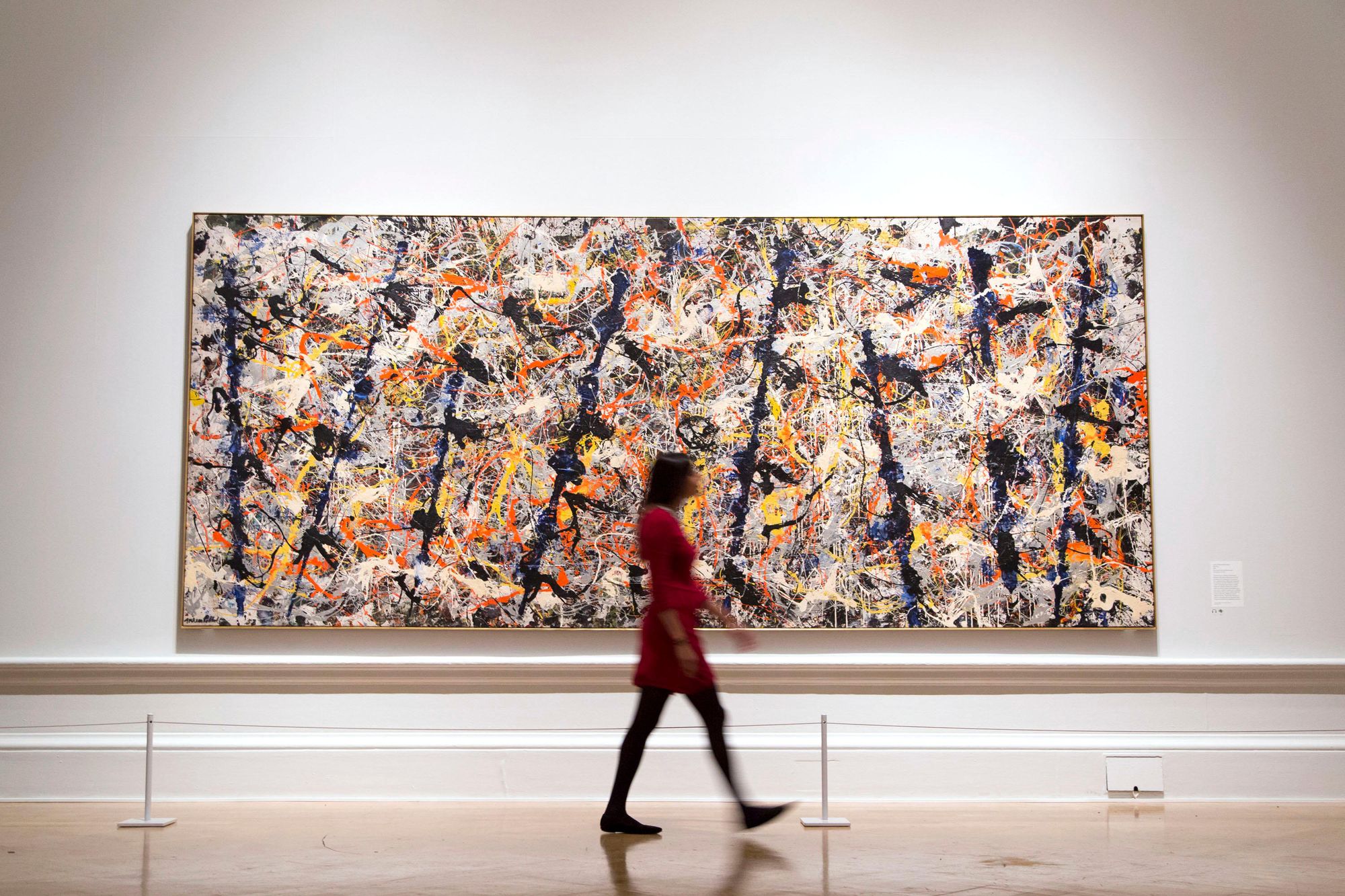
One of the defining features of abstract expressionist paintings is their emphasis on spontaneity and improvisation. Artists like Jackson Pollock introduced the technique of “drip painting,” a method that eschewed brushes for the direct application of paint onto the canvas, often through pouring or splattering. This technique exemplified the movement’s break from conventional methodologies, prioritizing expression over precision.
The Emotive Power
Abstract expressionism is renowned for its ability to evoke deep emotional responses. The paintings, with their bold colors, dramatic brushstrokes, and sometimes chaotic compositions, speak to the turmoil and ecstasy of the human experience. Each piece invites the viewer to explore their emotional depths, making the experience of viewing these works intensely personal.
Diverse Approaches Within the Movement
While abstract expressionism is often associated with the wild, dynamic techniques of Pollock or Willem de Kooning, the movement is notable for its diversity. Artists like Mark Rothko and Barnett Newman took a more minimalist approach, focusing on color fields and simple geometric shapes to evoke an emotional resonance. This diversity underscores the movement’s core principle: the unfettered expression of the individual artist.
Impact on Global Art
The influence of abstract expressionism paintings extends far beyond the borders of the United States. It sparked a global dialogue on the nature of art and its role in society, influencing generations of artists worldwide. The movement challenged the traditional boundaries of art, encouraging an exploration of new materials, techniques, and concepts.
Critiques and Controversies
Like any significant artistic movement, abstract expressionism was not without its critics. Some viewed the movement’s emphasis on abstraction and non-representational forms as lacking in substance or technical discipline. Others argued that the focus on the individual artist’s expression could veer into self-indulgence. Despite these criticisms, the movement’s impact on the art world and its capacity to convey profound emotional experiences remain undisputed.
The Legacy Lives On
Today, abstract expressionist paintings continue to captivate and inspire. The movement’s pioneers are celebrated for their courage in breaking with tradition, their innovative techniques, and their profound impact on the course of modern art. Museums and galleries around the world feature these works prominently, a testament to their enduring appeal and significance.
Conclusion: A Celebration of Human Emotion
Abstract expressionism represents a pivotal moment in the history of art, a time when artists dared to envision beyond the visible and tangible. These paintings are more than just visual objects; they are vibrant manifestations of human emotion and intellect. As we engage with these works, we are reminded of the power of art to reflect, challenge, and ultimately, transcend our understanding of the world.
By exploring abstract expressionism paintings, we are invited into a realm where emotion and expression reign supreme. This movement has left an indelible mark on the art world, challenging and expanding our notions of what art can be. As we continue to explore and appreciate these dynamic works, we pay homage to the bold spirits who dared to express modern art’s inexpressible, forever-changing landscape.