In today’s society, cars are more than simply a source of transportation; they are an important part of our everyday life. They represent freedom, independence, and, for many, a significant financial investment. Understanding the dependability and maintenance costs of various automobile models can help consumers make informed purchasing decisions and save money in the long term.
One of the first steps in choosing a reliable car is understanding its history and specifications. This can be achieved through the SCA’s VIN decoder, which provides detailed information about a vehicle’s past, including accident history, previous ownership, and maintenance records. Such tools are invaluable for assessing a car’s potential reliability and overall condition before making a purchase.
Reliability Factors to Consider
When assessing a car’s reliability, several factors come into play. These include the vehicle’s make and model, age, mileage, and service history. Generally, brands known for their durability and longevity, such as Toyota, Honda, and Subaru, top the list of reliable vehicles. However, even within these brands, certain models stand out for their resilience and lower likelihood of requiring significant repairs. Age and mileage are also critical factors. A newer car with low mileage might initially seem like a better option, but that’s not always the case. Some older models have stood the test of time and are known for their long service life even after accumulating high mileage. However, a well-maintained vehicle with a complete service history can often be a more reliable choice than a newer, less cared-for one.
Furthermore, consumer surveys and reliability ratings from automotive professionals provide useful information about how various automobiles perform over time. These ratings are based on extensive surveys and data gathered from thousands of vehicle owners, who describe their experiences with car reliability and the sorts of repairs required. Potential purchasers can use these reports to uncover patterns and frequent difficulties with specific makes and models, which will help them make a more informed selection. This method aids in distinguishing between truly reliable automobiles and those that may have a reputation for longevity but perform differently in real-world settings. As a result, prospective car buyers should thoroughly research and analyze these reliability ratings, as well as the vehicle’s service history and physical condition, before making a purchasing decision.
Understanding Maintenance Costs
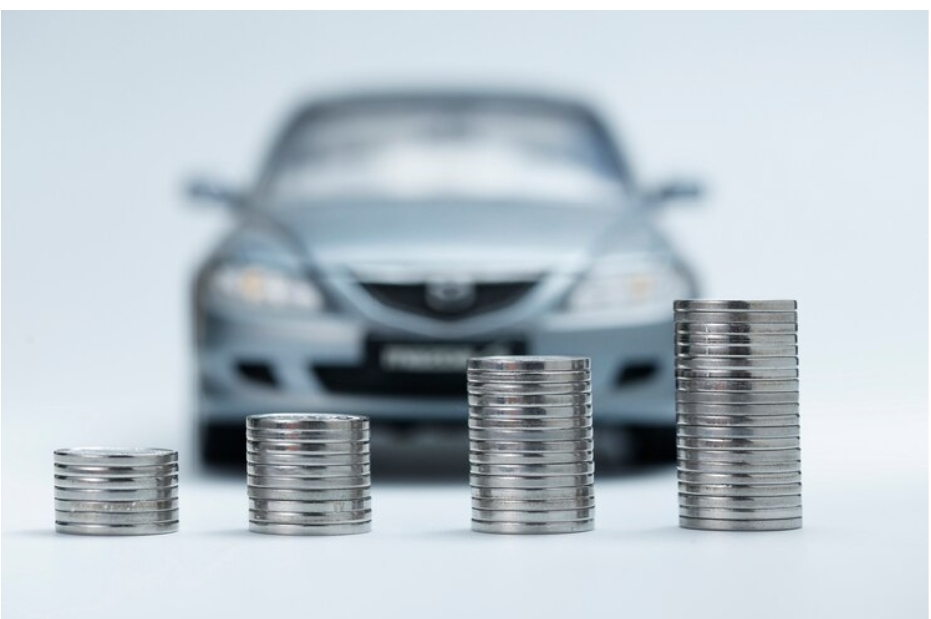
The total cost of owning a car extends far beyond its purchase price. Maintenance costs can vary widely depending on the vehicle’s make, model, and age. Generally, luxury cars and sports vehicles are more expensive to maintain and repair than economy cars and sedans. Parts for high-end models are often pricier, and specialized services may be required, increasing the overall cost. Routine maintenance, such as oil changes, tire rotations, and brake inspections, is predictable and can be budgeted for. However, unexpected repairs can significantly impact the total cost of ownership. Here, reliability comes back into focus. A car known for its durability and low maintenance needs can save owners substantial money over time.
Insurance prices are also an important consideration in the entire financial commitment to a vehicle and can be influenced by the car’s manufacture, model, and history. Models with greater safety ratings and lower risk profiles typically have lower insurance prices. Cars that are more expensive to fix or are commonly targeted for theft may have higher insurance premiums. Furthermore, the driver’s history and location might influence these rates, contributing to the overall cost of ownership. Understanding the relationship between the type of car chosen and the accompanying insurance costs helps provide a more complete picture of what the long-term financial commitment will be. This knowledge enables a more accurate assessment of which cars provide the best balance of initial expenditures, ongoing maintenance expenses, and insurance payments, resulting in more educated and financially prudent judgments.
Cost-Efficient Models
Some models are recognized for their cost efficiency and reliability. For instance, the Toyota Corolla, Honda Civic, and Mazda3 are often praised for their low maintenance costs and infrequent need for repairs. These vehicles are known for enduring beyond the 200,000-mile mark with proper care, making them excellent choices for those looking to maximize their investment. On the other hand, luxury vehicles, while offering comfort and advanced features, often come with higher maintenance and repair costs. Brands like BMW, Mercedes-Benz, and Audi are known for their high performance but also the steep price of their parts and the specialized labor required for repairs.
Fuel efficiency is another essential component of cost-effective vehicles that can have a major long-term impact on total ownership costs. Vehicles such as the Toyota Prius, Hyundai Elantra, and Honda Fit are commended not only for their dependability and cheap maintenance costs but also for their superior fuel economy. This makes them especially enticing to frugal shoppers looking to save money at the pump. Furthermore, as electric and hybrid vehicles gain popularity, models such as the Nissan Leaf and Chevrolet Bolt are becoming more widely acknowledged for their cost-effectiveness due to decreased fuel and maintenance costs when compared to conventional gasoline vehicles. These energy-efficient vehicles can provide significant long-term savings, adding to their attractiveness as cost-effective alternatives for discriminating automobile purchasers.
Preventive Measures and Long-Term Care
One of the best ways to ensure a car remains reliable is through regular maintenance and care. Adhering to the manufacturer’s recommended service schedule can prevent minor issues from becoming major problems. Regular checks and balances, such as monitoring fluid levels, tire pressure, and brake pads, can extend a vehicle’s lifespan and reduce the likelihood of costly repairs. Additionally, how a car is driven can significantly impact its longevity and maintenance needs. Gentle driving, avoiding harsh accelerations, and regular short trips can help maintain engine health and reduce wear and tear on the vehicle’s components.
Environmental factors and storage techniques also influence a vehicle’s long-term care and reliability. Cars that are frequently exposed to harsh weather conditions, such as excessive heat, cold, or dampness, may require more frequent maintenance and have faster material and component degradation. Proper storage, such as using a garage or carport to shield the vehicle from the weather, can assist in preventing rust, paint damage, and rubber deterioration. Furthermore, keeping the vehicle clean both inside and out can help to prevent long-term harm while also maintaining its condition and worth. Regular washing and waxing help preserve the car’s exterior from corrosion, while vacuuming and cleaning the interior can help prevent dirt and moisture buildup, which can lead to mildew and unpleasant odors. These preventive measures, together with careful driving and regular maintenance, considerably improve the vehicle’s overall health and durability, assuring its dependability for years to come.
Technology and Reliability
Advancements in technology have brought new variables into the reliability and maintenance equation. Modern vehicles equipped with advanced safety features, hybrid systems, and electronic components can be more expensive to repair due to the complexity and cost of their parts. However, these advancements can also prevent accidents and reduce the likelihood of certain types of mechanical failure, indirectly influencing a car’s overall reliability and maintenance costs.
Furthermore, the combination of diagnostic software and vehicle telematics has altered the approach to vehicle maintenance and repair. Modern cars may now offer real-time data and notifications regarding their state, allowing for early diagnosis of possible difficulties before they become more serious problems. This predictive maintenance strategy enables more precise and timely interventions, potentially sparing automobile owners from unforeseen breakdowns and expensive repairs. Furthermore, software upgrades can now address specific vehicle faults remotely, decreasing the need for physical repairs and trips to the service center. These technological developments, while initially increasing the vehicle’s complexity, eventually contribute to improving its reliability and efficiency over time, providing owners with smarter, safer, and more cost-effective driving experiences.
Summary
Choosing a reliable car and understanding its maintenance costs is crucial for any driver or car owner. By considering factors such as the vehicle’s make, model, age, and service history, and utilizing decoder tools, consumers can make informed decisions that fit their lifestyle and budget. Regular maintenance and responsible driving can further enhance a vehicle’s reliability, ensuring it remains a valuable and dependable part of daily life for years to come. In the end, a well-chosen, well-maintained car can provide not just transportation, but peace of mind and financial savings.