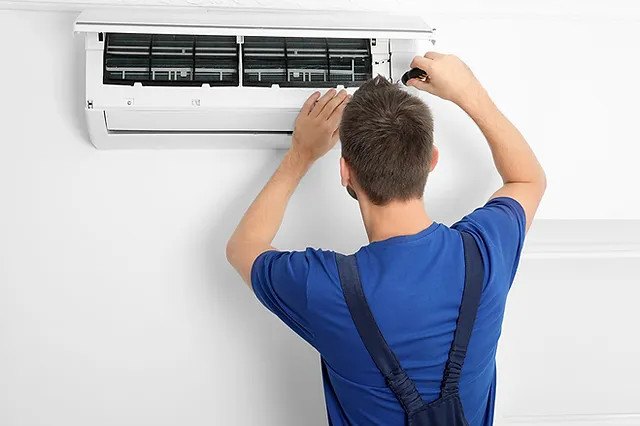
Ah, the sweet hum of an air conditioner on a scorching summer day – a melodic symphony that rescues us from the clutches of sweltering heat. But what happens when this harmonious contraption decides to throw a tantrum and leaves you sweating bullets? Fear not, dear reader, for in the realm of air conditioner repair, precautions are your trusty sidekick.
In this guide, we’ll explore the wild world of air conditioner mishaps and unravel the mystery of preventive measures. From the subtle quirks to the catastrophic breakdowns, we’ll navigate the difficult path of AC troubles and arm you with the knowledge to keep your cool. So, buckle up as we embark on the quest of “air conditioner repair: What type of precautions should we take.”
The Perils of Neglect: Why Precautions Matter
Picture this: a blazing summer afternoon, your AC gasps its last breath, and you find yourself marinating in a pool of your sweat. Nightmare material, right? Well, it doesn’t have to be. Taking precautions can be your AC superhero cape, saving you from these sweaty disasters. Let’s delve into the whys and wherefores.
Excessive Wear and Tear
Your AC is a workhorse, tirelessly chugging away to keep you cool. But with great power comes great responsibility! Without proper care, your cooling companion might succumb to the rigors of constant use, leading to an untimely demise.
What you can do:
- Schedule regular maintenance checks.
- Change air filters every 1-3 months.
- Keep the outdoor unit clean from debris and foliage.
- Refrigerant Woes
Have you ever felt your room resembled a tropical rainforest instead of an Arctic sanctuary? A refrigerant leak might be the culprit. These sneaky leaks not only sabotage your comfort but also harm the environment.
What you can do:
- Check for any visible refrigerant leaks.
- Hire a professional to fix leaks and recharge the refrigerant.
- Electrical Gremlins
AC units are a complex web of wires, and when electrical issues strike, chaos ensues. From faulty wiring to malfunctioning components, the electrical gremlins can turn your cooling haven into a fiery inferno.
What you can do:
- Avoid DIY electrical repairs; call a professional.
- Regularly inspect the wiring for signs of wear or damage.
DIY Do’s and Don’ts: Tackling Minor Issues
Your AC is temperamental, and you’re contemplating a DIY rescue mission? Hold your horses! While the average Joe can tackle some issues, others require the finesse of a seasoned professional.
Cleaning Conundrums
Your AC’s cleanliness is next to coolness. Dust, grime, and mold can transform your AC into a breeding ground for nastiness. But be warned: not all cleaning escapades are DIY-friendly.
What you can do:
- Clean air filters regularly.
- Wipe down vents and coils with a damp cloth.
- Hire professionals for deep cleaning to avoid damaging sensitive components.
- Filter Folly
Filters may seem insignificant, but neglecting them is a one-way ticket to AC calamity. Clogged filters not only jeopardize your indoor air quality but also force your AC to work harder, leading to potential breakdowns.
What you can do:
- Replace filters as recommended by the manufacturer.
- Opt for high-efficiency filters for better air quality.
- Thermostat Troubles
Your thermostat is the maestro conducting the symphony of temperature control. If it falters, chaos reigns. Before reaching for your toolbox, assess the situation.
What you can do:
- Check the thermostat settings.
- Replace batteries if the thermostat is battery-operated.
- Consult the user manual before tinkering with advanced settings.
FAQs: Answering Your Burning Questions
Q1: How often should I schedule maintenance for my AC?
A1: It’s advisable to schedule professional maintenance at least once a year. However, if your AC is prone to heavy usage, bi-annual check-ups might be wise.
Q2: Can I use my AC while it’s being repaired?
A2: It’s not recommended. A malfunctioning AC can exacerbate the issue and lead to more extensive damage. It’s best to wait until repairs are complete.
Q3: Are there eco-friendly refrigerants for my AC?
A3: Many eco-friendly refrigerants are available as alternatives to traditional ones. Consult with a professional to explore greener options for your AC.
Q4: Is it normal for my AC to make strange noises?
A4: While a gentle hum is typical, loud clanking or banging noises are red flags. It’s crucial to address unusual sounds promptly to prevent further damage.
Q5: Can I fix an electrical issue in my AC by myself?
A5: Electrical issues are best left to professionals. Attempting DIY fixes can pose safety risks and may exacerbate the problem.
The Finale: Conclusion
As we wrap up our expedition into the world of “air conditioner repair: What type of precautions should we take,” it’s clear that a proactive stance is the key to an AC’s heart. Regular maintenance, vigilant cleaning, and a judicious mix of DIY prowess and professional intervention can save you from the sweltering clutches of a malfunctioning cooling companion.
So, the next time you hear your AC whispering tales of impending doom through subtle groans and shudders, don’t turn a deaf ear. Take heed, for precautions are the unsung heroes of the air conditioner repair saga, ensuring you stay cool as a cucumber even in the face of summer’s relentless onslaught. Happy chilling!