The Evolution of Fashion: A Historical Perspective
Fashion isn’t just about clothes; it’s a reflection of culture, society, and individual expression. Visit now https://superhoodieofficial.com/ In today’s dynamic world. The realm of fashion encompasses a vast spectrum of elements, ranging from clothing designs to social influences. Sustainability practices, and technological innovations. Understanding the multifaceted nature of fashion is key to appreciating its significance and evolving trends.
Fashion has always been a mirror of society, reflecting its values, beliefs, and aspirations. Throughout history, clothing styles have evolved in response to cultural shifts, technological advancements, and economic changes. From the elaborate garments of ancient civilizations to the minimalist designs of the modern era. Fashion has undergone a continuous process of transformation.
Ancient Fashion Trends: From Functionality to Symbolism
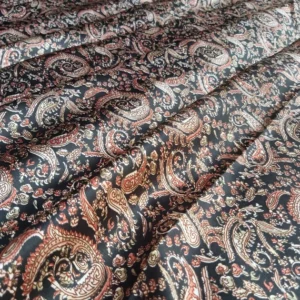
In ancient societies, clothing served practical purposes such as protection from the elements and identification of social status. Garments were crafted using natural fibers and adorned with intricate patterns and symbols that conveyed cultural meanings. In civilizations like ancient Egypt and Mesopotamia. Clothing styles were highly symbolic, representing religious beliefs, social hierarchy, and ceremonial rituals.
Medieval Fashion: A Display of Status and Authority
During the medieval period, fashion became synonymous with power and prestige. Nobility and royalty flaunted lavish attire embellished with luxurious fabrics, jewels, and embellishments. Sumptuary laws regulated what individuals could wear based on their social class. Reinforcing distinctions between the aristocracy and the common people. Fashion became a means of asserting authority and establishing social hierarchy.
Renaissance Revival: Artistic Flourish and Cultural Renaissance
The Renaissance era marked a resurgence of artistic creativity and cultural innovation. Fashion became intertwined with art and literature, with designers drawing inspiration from classical antiquity and nature. Elaborate garments featuring intricate embroidery, lacework, and embellishments adorned the courts of Europe, reflecting the opulence and refinement of the period. Renaissance fashion celebrated individualism and self-expression, paving the way for future style movements.
The Modern Fashion Landscape: Trends and Influences
In the contemporary fashions landscape, trends emerge and evolve at a rapid pace, influenced by a myriad of factors including globalization, technology, and social media. Check it now https://spiderofficial.us/
Globalization and Cultural Exchange
Globalization has transformed the fashion industry, facilitating the exchange of ideas, designs, and materials across borders. Fashion capitals like Paris, Milan, and New York serve as epicenters of creativity and innovation, where designers from diverse backgrounds converge to showcase their collections. The fusion of cultural influences has given rise to eclectic and inclusive fashions movements, celebrating diversity and individuality.
Sustainable Fashion: A Shift Towards Ethical Practices
Amid growing environmental concerns, the fashions industry is embracing sustainability as a guiding principle. From eco-friendly materials to ethical production methods, brands are reimagining their supply chains to minimize environmental impact and promote social responsibility. Sustainable fashion initiatives encompass eco-conscious design, recycling programs, and fair labor practices, reflecting a commitment to creating a more equitable and sustainable future.
Technology and Innovation: Redefining Fashions Boundaries
Advancements in technology have revolutionized every aspect of the fashions industry, from design and manufacturing to retail and marketing. 3D printing, augmented reality, and virtual fitting rooms are reshaping the way consumers interact with fashions, offering personalized experiences and enhancing accessibility. Digital platforms and social media have democratized fashions, allowing emerging designers and independent brands to reach global audiences and challenge traditional paradigms.
Embracing Diversity and Inclusivity
In today’s diverse society, fashions has become a platform for self-expression and empowerment, transcending boundaries of gender, ethnicity, and body image. The rise of inclusivity movements and body positivity campaigns has sparked a paradigm shift in the fashions industry, prompting brands to embrace diversity and celebrate individual beauty in all its forms. Inclusive sizing, gender-neutral fashion, and diverse representation on the runway are reshaping industry standards and promoting a more inclusive vision of beauty.
Conclusion
Fashions is a dynamic and ever-evolving phenomenon that encompasses a spectrum of elements, from historical traditions to contemporary trends, cultural influences, and technological innovations. As society evolves, so too does fashion, reflecting the values, aspirations, and creative expressions of individuals and communities worldwide. By embracing diversity, sustainability, and innovation, the fashion industry has the power to shape a more inclusive and equitable future for generations to come.