Introduction:
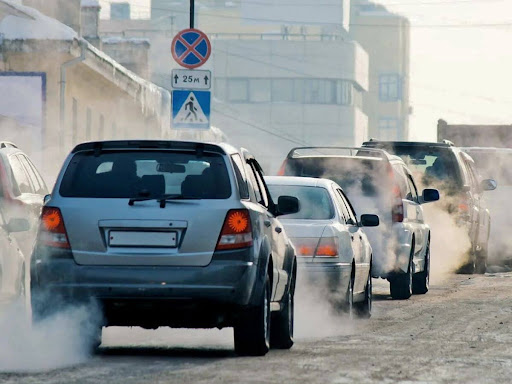
A key element of environmental health is air quality, which has a direct impact on both human health and ecosystem health. Vehicle emissions, notably those from car exhausts, are one of the most significant contributors to air pollution. This essay tries to thoroughly examine the consequences of automobile exhaust emissions on the condition of the air, illuminating the numerous chemicals they emit and the harmful effects they have. We will also go over the effects of poor air quality on the ecosystem and public health, underscoring the need to solve this problem.
The exhaust bmw 3 series, like many other vehicles, plays a crucial role in the overall performance, sound, and emissions control of the car. The particular features of the exhaust system can change according to the BMW 3 Series model, year, and engine type.
Composition of Car Exhaust Emissions
Car exhaust emissions are a complex mixture of various pollutants, each with its unique characteristics and effects on air quality. The primary components of car exhaust emissions include:
Carbon Monoxide (CO):
A colorless, odorless gas called carbon monoxide (CO) is produced when fossil fuels are burned partially in car engines. It interferes with the capacity of the body to transmit oxygen, which is harmful to health, especially for those who have cardiovascular conditions.
Nitrogen Oxides (NOx):
When nitrogen in the air combines with oxygen during combustion, nitrogen oxides are created, most notably nitric oxide (NO) and nitrogen dioxide (NO2). Acid rain and ground-level ozone are both produced by NOx and hurt the environment.
Particulate Matter (PM):
Particulate Matter (PM): In the air, there are microscopic solid or liquid droplets that make up particulate matter. PM10 particles and PM2.5 particles, both of which have a diameter of fewer than 2.5 micrometers, are included in this category. PM can enter the respiratory system deeply, which can lead to several health issues.
Volatile Organic Compounds (VOCs):
Organic substances called VOCs, or volatile organic compounds, can evaporate and enter into the atmosphere. They aid in the creation of ground-level ozone, which is bad for both the environment and human health.
Hydrocarbons (HC):
Hydrocarbons (HC), which are gasoline chemicals that have not burned completely or only partially, are discharged from vehicle exhaust. They may combine with other airborne pollutants to produce additional contaminants like ozone.
Carbon Dioxide (CO2):
Even though carbon dioxide does not directly contribute to air pollution, it is a greenhouse gas that plays a role in climate change and global warming. CO2 emissions from automobiles, which are a significant source of these pollutants, have a harmful influence on the environment.
Impact on Air Quality
The aforementioned emissions have a significant effect on air quality and contribute to several air quality problems, including:
Smog Formation:
The emission of NOx and VOCs from automobile exhausts is a significant factor in the development of smog. Ozone and tiny particles combine to form smog, which can irritate the airways and impair vision.
Ground-Level Ozone:
In the presence of sunshine, NOx and VOCs also react to produce ground-level ozone. Ozone levels that are too high are bad for human health because they cause respiratory issues and aggravate illnesses like asthma.
Particulate Matter:
PM emissions from automobile exhausts have a significant role in the atmospheric levels of fine particulate matter. PM can be breathed deeply into the lungs, leading to cardiovascular issues, respiratory disorders, and even early death.
Acid Rain:
When NOx emissions interact with additional gases in the environment, a substance called nitric acid can be produced, which can result in acid rain. Acid rain damages soil, aquatic ecosystems, and buildings.
Global Warming:
The emission of CO2 from various sources, including car exhaust, is what causes the phenomenon of greenhouse gases and global warming. Climate change as a result has several detrimental repercussions on the ecology.
Health Impacts
Human health is affected both directly and indirectly by car exhaust emissions:
Respiratory issues:
Respiratory issues including coughing, wheezing, and worsened asthma can result from exposure to pollutants like PM and ground-level ozone. Chronic respiratory illnesses may develop as a result of prolonged exposure.
Cardiovascular Effects:
The bloodstream may be exposed to tiny car exhaust particles, increasing the risk of strokes, heart attacks, and other cardiovascular conditions.
Premature Death:
Studies have linked air pollution, especially from vehicle emissions, to premature death. A combination of breathing and cardiovascular disorders contribute to this.
Children’s Health:
Because their lungs are still growing, children are particularly vulnerable to the effects of air pollution. Pollution exposure can lead to developmental issues as well as a higher risk of developing asthma.
Disproportionate Effect on Vulnerable Communities:
Low-income and communities of color often bear a disproportionate cost from air pollution because of their proximity to roads and industrial areas. This exacerbates health inequities.
Environmental Consequences
Car exhaust emissions also have far-reaching environmental consequences:
Ecosystem damage:
Acid rain, a result of NOx emissions, harms aquatic habitats and lakes as well as forests. Fish and other aquatic life may suffer, nutrient cycles may be disturbed, and biodiversity may be decreased.
Ground-Level Ozone:
High concentrations of ground-level ozone destroy flora, lowering crop production and wreaking havoc on forests. Additionally, ozone can increase a plant’s susceptibility to pests and disease.
Climate Change:
The emission of CO2 from automobile exhausts adds to global warming, which causes a rise in sea levels, more frequent and severe weather events, and ecosystem changes.
Mitigation and Regulation:
To address the impacts of car exhaust emissions on air quality, various mitigation strategies and regulatory measures have been implemented:
Emission Standards:
Governments worldwide have established emission standards for vehicles, requiring manufacturers to produce vehicles with lower emissions of pollutants such as NOx, CO, and PM.
Alternative Fuels:
Promote the use of alternative fuels including electricity, hydrogen, and biofuels to lessen the negative environmental effects of vehicle emissions.
Advanced Engine Technology:
The use of hybrid and electric vehicles, for example, has the potential to dramatically cut emissions.
Conclusion
To mitigate these impacts, efforts are made to develop cleaner vehicle technologies (e.g., electric vehicles and hydrogen fuel cells), promote public transportation, and implement emission control regulations. Additionally, individuals can reduce their contribution to air pollution by carpooling, using public transportation, driving fuel-efficient vehicles, and adopting eco-friendly driving habits.